

 Peržiūrėti realaus dydžio版
 Siųsti
 Dalintis
 Išsamiau
 Vadovas

 Atsisiųsti
 Panašūs eksponatai
 Rentgeno spindulių nuotrauka
 Diaporama
 Statistika
untitled (3545)

 Rodyti daugiau
Šiame puslapyje rodomas meno kūrinys yra saugomas autorių teisių įstatymais, todėl neturime teisės legaliai kurti ar parduoti jo identiškos reprodukcijos. Ši apsauga užtikrinama remiantis tokiais tarptautiniais susitarimais kaip Bernės konvencija ir pagal nacionalines įstatymų nuostatas, įskaitant tas, kurias nurodo JAV autoriškos teisės įstatymas – 17-asis skyrius.
Šis metodas visiškai atitinka autorių teises, nes jame nėra kūrinio kopijavimo ar dubliavimo. Tai yra kūrybinė reinterpretacija – naujas paveikslas, kurį įkvėpė originalas, tačiau kuris nėra jo identiškas.
Giclée / Meno spausdinimas
Muziejų lygio „giclée“ arba drobos spausdinimas: greita gamyba ir lankstios apdailos parinktys. ( Pirkti rankomis tapytą reprodukciją Perejti prie skaitmeninių vaizdų)




































Pasirinkite iš mūsų nustatytų dydžių, atitinkančių originalaus meno kūrinio proporcijas.

Įveskite jums reikiamą plotį ir aukštį, kad atvaizdas derėtų prie jūsų rėmo ar sienos. Spausdiną galima tik sumažinti, bet nepadidinti virš originalaus paveikslėlio dydžio, todėl keičiant proporcijas, dalis vaizdo prarandama. Prieš spausdinimą atsiųsime jums skaitmeninį maketą patvirtinimui. Šioje puslapio nuotraukoje matomas pjūvis nėra tikslus – jį rodo tik maketas.
Pristatymas visame pasaulyje () per 2 weeks, o ne įprastas 4/5 savaičių laikotarpis. (21 spalis)

Nemokamas greitasis pristatymas visame pasaulyje

Aukštos kokybės lininis drobė

Pilnas siuntimo draudimas

Muitinės mokesčių grąžinimo garantija

Tikro spalvų atitikimo garantija

100 dienų grąžinimo politika (tik esant įtaigoms)

100% pinigų grąžinimo garantija

Nuolaida dideliems užsakymams
 Stiklo variantas prieinamas tik pasirinkus dydį iki 110 cm

untitled (3545)
Giclée / Meno spausdinimas
Reprodukcijos dydis
-


Visų pasirinktų variantų kaina
€ 70
Autoriaus biografija
Sapnų architektas: Ernsto Fuchs gyvenimas ir vizija
Ernst Fuchs (1930–2015) buvo kur kas daugiau nei tiesiog tapys։ Jis buvo daugialypis vizionierius, suėjęs skulptūros, architektūros, muzikos ir poezijos siūles į vieną unikalią, haliucinacijų pojūtį teikiančią visatą. Gimęs Vienoje gilios istorinės transformacijos laikotarpiu, Fuchs iš karo epochos griuvės neiškilė ne su neviltimi, o su nekontroliuojama troška, siekiant aukštinigos. Jo kelionė prasidėjo taktilioje skulptūros pasaulyje – disciplinoje, įsidėmėjęje jį amžiną pagarbą formai ir medžiagai. Šis ankstyvasis pagrindas leido jam į drobnę žiūrėti ne kaip į plokščią paviršių, o kaip į architektūrinę gylį ir fizinę prasmę turintį erdvę, kurioje figūros galėtų kvėpuoti kruopščiai sukonstruuotuose sapnų kraštejuose.
Fuchs paveldas slypi jo vaidmenį kaip Vienos fantastinio realizmo mokyklos įkūrėjo stulpui. Įkurta 1946 metais kartu su tokiomis luminientes, kaip Friedensreich Hundertwasser ir Arnulf Rainer, ši kryptis siekė išeiti už gryros abstrakcijos sausumo, priimdam ši hiperdetalią, simbolinę realybę. Stipriai įsipлияvęs Jungo archetipo psichologiniu gyliu ir alchemijos transformacinėmis mystikomis, Fuchs savo meną naudojo susidomėti egzistencinėmis nerimais per gilus grožio prizimę. Jo kūriniai dažnai primena langą į kolektyvį negalą, kur ribai tarp fizinio pasaulio ir dvasinės srities yra nuolatlygiškailygi smyla.
Mischtechnik ir šviesos meistriškumas
Tai, kas tikrai išskiria Fuchs maestro kūrinį, yra jo mischtechnik techninis magiškumas – revoliucinė Renesanso laikotarpio glazūravimo technikų atgimimas. Keliodamas permatomas glazūras ant kruopščiai paruoštų paviršių, jis pasiekė švytintį, vidinį spindulį, kuris atrodo emanuojantis iš pat mėdžių vidaus. Ši metodika leido jam įamžinti subtilią šviesos ir šešėlio žaidimą, suteikiant savo temoms beveik nepaprastą gyvybę. Nesvarbu, ar vaizduodavo mięštingas, nerimą keliančias figūras savo ekspresioniniuose kūriniuose, ar prabangius, sapniškus motyvus savo fantastiškesnėse kompozicijose, techninis jo rankos tikslumas užtikrino, kad kiekvienas traukės prisidėtų prie dominuojančio realizmo pojūčio.
Ši technikos meistriškumas tarnavo idealiu indėklu jo sudėtingai simbolinei kalbai. Jo paveiksluose galima susidurti su:
- Klasikiniais alūzijais: Romos griuvėčių ir Renesanso estetikos integracija, siekiant sukelti nieko nevyzdintybės pojūtį.
- Biologine metamorfoze: Figūromis, kurios atrodo esančios transformacijos būsenose, atspindint augimo, nykimo ir atgimimo temas.
- Dvasiniu simbolizmu: Giliu įsitraukimu į religinę ikonografiją, perinterpretuotą per surrealistinę ir dažnai mistinę perspektyvą.
Palikimas, įrašytas akmeniu ir dvasia
Fuchs kūrybinis impulsas niekada nebuvo ribojamas vien studijos. Jo architektūriniai siekiai, ypač žinomiausias Hütteldorf'io Otto Wagner Villa restauravimas, parodė jo gebėjimą įvinti savo vidines vizijas į fizinį pasaulį. Pavertęs šią apleistą konstrukciją Ernsto Fuchs muziejumi, jis sukūrė nuolatinę šventovę būtent tam magiškumui, kurį jis visą gyvenimą dokumentavo. Šis restauravimo aktas atspindėjo jo meninę filosofiją: pasiimti sulaužytas realybės dalis ir jas suvaldyti į kažką transcendentinį ir vientisą.
Žvelgdami atgal į jo produktyvų karjerą, istorinė Ernsto Fuchs reikšmė išlieka nepaliesta. Jis stąbėjo kaip tiltas tarp klasikinės senųjų meistrų tradicijų ir modernaus amžiaus psichologinio sudėtingumo. Nepadistingu atsidavimu fantastiniam realizmui, jis priminė pasauliui, kad net tamsiausioms eroms, žmogaus fantazija turi galią konstruoti šviesos, spalvos ir begalinio stebėjimų dangus. Jo kūriniai toliau kvepia ir įkvepia – tai liudijimas apie gyvenimą, išgyvenimą sankryje tarp matomo ir nematomų dalykų.

Ernstas Fuchsas
1930 - 2015 , इटalija
Trumpa informacija apie kūrėją
- Artinis Stilius Ar Kryptis: Fantastinis realizmas
- Gimimo Data: 1930
- Gimimo Vieta: Viena, Italija
- Menininkai, Kurie Paveikė Šį Artistą:
- Gustav Klimt
- Egon Schiele
- Mirties Data: 2015
- Tautybė: Austras
- Vardas Ir Pavardė: Ernst Fuchs
- Šį Artistą Įkvėlusios Grupės Ar Menininkai:
- Max Pechstein
- Heinrich Campendonck
- Edvard Munch
- Henry Moore
- Žinomos Kūriniai:
- Be pavadinimo (5591)
- Be pavadinimo (8257)
- Skausmingasis rožinis rūdis
Susiję straipsniai

Romantic Realism's Finest: 10 Masterpieces for Your Home | OriginalUniqueArt
Explore 10 defining masterpieces of Romantic Realism! Discover Courbet, Millet & Daumier's powerful paintings—capturing emotion and social realities. Find museum-quality reproductions for your home at OriginalUniqueArt.com.

Ernst Fuchs: A Visionary of Fantastic Realism & His Enduring Legacy
Explore the captivating world of Ernst Fuchs & the Vienna School of Fantastic Realism. Discover his unique 'mischtechnik', iconic symbolism, and lasting influence on visionary art. Expert insights for collectors.

The Enduring Allure of the Nude: A Historical & Artistic Exploration of the Human Form
Explore the captivating history of nude art! Discover iconic paintings & artists from classical to modern eras. Uncover symbolism, techniques & find museum-quality reproductions at OriginalUniqueArt.
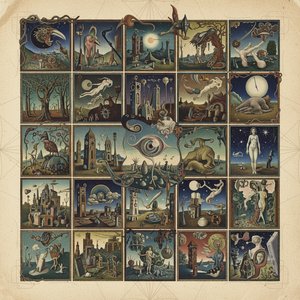
Max Ernst: 25 Šedevrai, Įkvėpę Surrealizmą | Tapyba, Dekorai ir Menas OriginalUniqueArt.com
Atraskite 25 įspūdingiausius Max Ernst kūrinius – nuo dadaizmo iki surrealizmo. Tapybos meistriškumas, psichologinis realizmas ir unikalios technikos. Įkvėpkite interjerui su OriginalUniqueArt.com reprodukcijomis! Explore the full collection online.
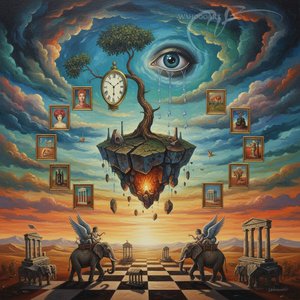
Top 10 Surrealizmo Simbolių: Meno Virtuvė Jūsų Interjere | OriginalUniqueArt
Atraskite 10 legendinių surrealizmo kūrinių! Salvadoris Dali, René Magritte ir kiti meistrai – jų meno istorija bei įkvėpimas. Puikios dailės reprodukcijos interjerui | OriginalUniqueArt.com