

 Peržiūrėti realaus dydžio版
 Siųsti
 Dalintis
 Išsamiau
 Vadovas

 Atsisiųsti
 Panašūs eksponatai
 Rentgeno spindulių nuotrauka
 Diaporama
 Statistika
Šventėje Žmogus
 Akrilas ant drobės
- Sieninis menas
- Expressionism
 22.0 x 28.0 cm
 Franz Marc muziejus
 Rodyti daugiau
Giclée / Meno spausdinimas
Muziejų lygio „giclée“ arba drobos spausdinimas: greita gamyba ir lankstios apdailos parinktys. ( Pirkti rankomis tapytą reprodukciją Perejti prie skaitmeninių vaizdų)




P118B €10

P118H €10

P118W €10

P438Z €10

P508JH €12

P508YH €12

P805H €10

P805Z €10

P919BZ €10

P919G €10

P919XJ €10

P959ZH €10

P968JZ €12

W106C €8

W218G €10

W218JH €8

W218Y €10

W307PJ €10

W316G €10

W316PJ €8

W316Y €10

W398PJ €8

W4111J €10

W500HY €15

W500JH €15

W692G €12

W849H €8

W940BG €15

W953PJ €8




Pasirinkite iš mūsų nustatytų dydžių, atitinkančių originalaus meno kūrinio proporcijas.

Type the width and the height you need, to fit your frame or your wall. A print can only be cut, never made bigger than the picture, so a size with a different shape loses a part of the image. We send you a digital mockup to approve before we print anything. The picture shown on this page does not show the real cut — only the mockup does.
Pristatymas visame pasaulyje () per 2 weeks, o ne įprastas 4/5 savaičių laikotarpis. (14 spalis)

Nemokamas greitasis pristatymas visame pasaulyje

Aukštos kokybės lininis drobė

Pilnas siuntimo draudimas

Muitinės mokesčių grąžinimo garantija

Tikro spalvų atitikimo garantija

100 dienų grąžinimo politika (tik esant įtaigoms)

100% pinigų grąžinimo garantija

Nuolaida dideliems užsakymams
 Stiklo variantas prieinamas tik pasirinkus dydį iki 110 cm

Šventėje Žmogus
Giclée / Meno spausdinimas
Reprodukcijos dydis
-


Visų pasirinktų variantų kaina
€ 69
Else Lasker-Schüler: „Die Worshipper onthe Marketplace in Thebe“ – Ein Blick auf Expressionismus und Spiritualität
„Die Worshipper onthe Marketplace in Thebe“ von Else Lasker-Schüler ist ein beeindruckendes Werk des deutschen Expressionismus, das mehr als nur eine Darstellung einer Szene bietet; es ist eine tiefgründige Reflexion über menschliche Existenz und Glauben. Gemalt um 1912/1912 wurde dieses Bild von Franz Marc Museum in Kochel am See aufbewahrt und zeigt eine Frau mit ihrem Kind im Arm auf einem Marktstand. Die Künstlerin, Else Lasker-Schüler (geboren 1869), war eine Pionierin der deutschen Literatur und Kunst und ihre Werke zeichnen sich durch eine einzigartige Kombination aus Lyrik und religiösen Themen aus.- Stil und Technik: Das Bild ist ein beeindruckendes Beispiel für den Expressionismus, einer künstlerischen Bewegung, die sich durch ihren Fokus auf subjektive Emotionen und ihre Verwendung von starken Farben und Kontrasten auszeichnet. Lasker-Schüler setzte dabei auf eine einfache Zeichnungstechnik, die jedoch eine außergewöhnliche Ausdruckskraft verleiht.
- Historischer Kontext: Die Darstellung spiegelt den gesellschaftlichen und politischen Umbruch der frühen Jahre des 20. Jahrhunderts wider, insbesondere die zunehmende Bedeutung von religiösen Fragen und die Suche nach neuen Formen der Spiritualität im Kontext der Zeit. Lasker-Schüler selbst war eine engagierte Künstlerin und Schriftstellerin und ihre Werke spiegeln die Herausforderungen und Hoffnungen ihrer Generation wider.
- Symbolik: Die zentrale Figur einer Frau mit ihrem Kind steht für Mutterlichkeit und Schutz, während das Element eines Snake symbolisiert einen tiefen Zusammenhang zur Natur und zum Göttlichen. Diese Symbole unterstreichen Lasker-Schüler’s künstlerische Vision und ihre Fähigkeit, komplexe Ideen auf eine einfache und dennoch wirkungsvolle Weise auszudrücken.
- Emotionale Wirkung: Das Bild erzeugt ein Gefühl von Wärme und Geborgenheit, das jedoch auch eine gewisse Melancholie und Sehnsucht nach einer höheren Ordnung vermittelt. Lasker-Schüler’s Kunst spricht direkt zum Herzen des Betrachters und lädt ihn dazu ein, über die Bedeutung von Leben und Glauben nachzudenken.
- Museo Franz Marc: Franz Marc Museum (Kochel Am See, Germany)
问答 (or more naturally for a website heading): Klausimai ir atsakymai
Kokie kiti Else Lasker-Schüler vardai yra žinomi?
Else Lasker-Schüler taip pat žinomas (žinoma) kaip Elisabeth Schüler, Elisabeth Schuler, Else Lasker-Schuler.
Ar „Šventėje Žmogus“, autorius – Else Lasker-Schüler naudoja ryškius kontrastus ar švelnias harmonijas?
„Šventėje Žmogus“, autorius – Else Lasker-Schüler spalvų analizėje fiksuojamas Švelnus kontrastas ir Suvarta paletė harmonija.
Ar „Šventėje Žmogus“, autorius – Else Lasker-Schüler, esančį Franz Marc muziejus, galima legaliai reprodukcijaoti?
Originalus kūrinys „Šventėje Žmogus“ saugomas Franz Marc muziejus, o jo autorinė teisė yra pripa принадле belongs to the public domain – jo autorinė teisė pasibaigusi.
Autoriaus biografija
early life and literary beginnings
else lasker-schüler, a trailblazing poet, playwright, and painter, was born on february 11, 1869, in elberfeld, germany. her life's trajectory is a testament to her unyielding spirit and artistic genius. lasker-schüler's early years were marked by an innate inclination towards the arts, which would later define her as one of the few women affiliated with the expressionist movement.artistic ascendancy
lasker-schüler's first foray into the world of poetry was with her collection styx, published in 1902. this was followed by her prose work das peter-hille-buch in 1906, and her play die wupper in 1909. her volume of poetry, meine wunder, published in 1911, solidified her position as the leading female representative of german expressionism.perseverance amidst adversity
despite facing numerous challenges, including the loss of her son in 1927 and subsequent harassment by the nazis, lasker-schüler continued to create. her winning of the kleist prize in 1932 was a testament to her unwavering dedication to her craft.later life and legacy
lasker-schüler's later years were marked by her emigration to jerusalem, where she formed a literary salon known as “kraal.” her final years were spent working on her drama ich und ich (i and i), which remained a fragment.relevant artworks and resources
- discovering the art of late romanticism at schackgalerie, munich
- explore else lasker-schüler's profile on OriginalUniqueArt
- visit the wikipedia page for expressionism to delve deeper into the movement.
key artistic influences and milestones
important milestones in lasker-schüler's life include:- 1902: publication of her first poetry collection, styx
- 1911: solidification as the leading female representative of german expressionism with meine wunder
- 1932: winning of the kleist prize
- max slevogt galerie, germany: a museum showcasing the works of german artist max slevogt.
- kunstsalon franke schenk (germany): an art dealership and gallery featuring works from the 16th to the 20th centuries.
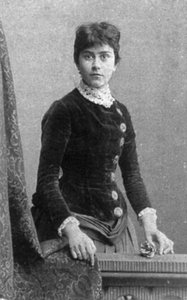
Else Lasker-Schüler
1869 - 1945 , Germany
Trumpa informacija apie kūrėją
- Full Name: Else Lasker-Schüler
- Nationality: German Jewish
- Date Of Birth: 1869
- Date Of Death: 1945
- Place Of Birth: Wuppertal, Germany
- Notable Artworks:
- Styx
- Meine Wunder
- Die Wupper
- Mein Herz
- Artistic Movement Or Style: Expressionism
- Artists Who Influenced This Artist:
- Max Slevogt
- Kunstsalon Franke Schenk
- Artists Or Movements Influenced By This Artist: ['Herwarth Walden']
Susiję straipsniai
Unmasking Emotion: A Definitive Guide to the Raw Power and Visceral Beauty of German Expressionism
Explore the visceral power of German Expressionism. From Ernst Ludwig Kirchner to Die Brücke, discover how bold colors and distorted forms unmask raw human emotion in this expert art history guide for collectors and enthusiasts.
Figurative Expressionism: Emotional Intensity & Subjective Reality in 20th-Century Art
Explore the powerful world of Figurative Expressionism with OriginalUniqueArt. Discover key artists like Kirchner & Beckmann, understand its emotional depth, and learn how to collect this influential 20th-century art movement.

Unmasking Emotion: A Journey Through the Raw Power and Visceral Beauty of German Expressionism
Explore the raw emotional power of German Expressionism. From Kirchner to Die Brücke, discover how artists used distortion and vibrant color to unmask the human psyche. A deep dive into art history for the discerning collector and enthusiast.
The Visceral Cry of a Nation: Exploring Emotion & Distortion in German Expressionism
Explore the powerful world of German Expressionism with OriginalUniqueArt. Discover Kirchner, Nolde & Die Brücke's emotive masterpieces. Learn about this pivotal art movement and its lasting impact on modern art.

German Expressionism's 10 Defining Masterpieces | Art for Your Home
Explore 10 defining German Expressionism masterpieces – from Munch's 'The Scream' to Kandinsky’s abstracts. Discover the artists, stories & bold colors behind this powerful art movement. Find museum-quality reproductions at OriginalUniqueArt.com.
