Perjungti į spausdinamus版作品
 Skaityti daugiau







































 Dėl meno kūrinių ar reprodukcijų, kurių bet kuri pusė yra didesnė nei 105 cm (apie 41 inch), rėmas bus siunčiamas kaip išskaidytas surinkimo rinkinys. Šis metodas užtikrina saugų pristatymą ir apsaugo nuo transportavimo metu galimos žalos.


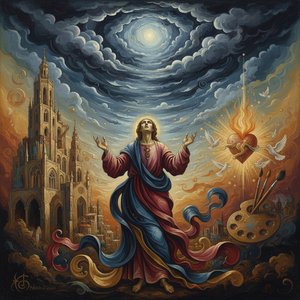
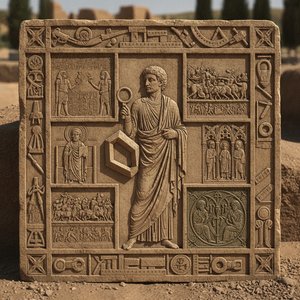
A Vision of Mythological Drama – El Greco’s ‘Epimetheus and Pandora’
El Greco's 'Epimetheus and Pandora', completed around 1600-1610, stands as a singular achievement within the artistic landscape of Renaissance Spain. More than just a depiction of Greek mythology—the tale of Epimetheus, Prometheus’s brother, tragically opening Pandora’s Box unleashing chaos upon humanity—it embodies El Greco's distinctive style and profound engagement with spiritual themes. This monumental wood relief sculpture transcends mere representation; it pulsates with an emotional intensity that foreshadowed movements like Expressionism decades later.
The Sculptor’s Bold Interpretation of Classical Tradition
El Greco, born Doménikos Theotokópoulos in Crete, possessed a remarkable ability to synthesize influences from Byzantium and Venice into something utterly his own. Trained initially in the Byzantine tradition—characterized by meticulous detail and reverence for religious iconography—he swiftly embraced experimentation, propelling him toward groundbreaking artistic innovations. His signature “Krḗs” – Cretan – served as a defiant assertion of identity amidst the cosmopolitan currents of Rome and Madrid.
A Symphony of Color and Texture: Technique and Style
The sculpture’s execution is masterful. El Greco employed polychrome wood relief, utilizing pigments meticulously applied to create luminous surfaces that capture the drama of the mythological scene. The artist's brushstrokes are expansive and expressive, conveying movement and emotion with remarkable subtlety. Unlike the polished surfaces favored by many contemporaries, El Greco prioritized textural richness—the subtle variations in color and sheen—to heighten the visual impact.
Mythological Symbolism: Pandora’s Box and Human Fate
The sculpture powerfully communicates the narrative of Pandora's Box. The female figure, poised with a gesture suggesting communication or contemplation, directs her gaze toward the male statue holding a ball—a symbol representing Epimetheus’s folly. This juxtaposition underscores the central theme: humanity’s susceptibility to evil and the inescapable consequences of curiosity. El Greco skillfully captures the psychological tension inherent in this mythic confrontation.
Timeless Beauty and Emotional Resonance
'Epimetheus and Pandora' continues to fascinate viewers today, not merely for its adherence to classical sculptural conventions but for its ability to evoke profound contemplation about human nature. El Greco’s artistic vision—characterized by spiritual depth and emotional fervor—remains remarkably relevant, inviting us to revisit the enduring power of myth and art to illuminate our understanding of existence.
Klausimai ir atsakymai
Kokią spalvų paletę naudoja „Epimetheus and Pandora“ – El Greko?
„Epimetheus and Pandora“ spalvos sudaro Earthy paletę. Ši klasifikacija aprašo dominuojančias spalvų grupes.
Kada buvo sukurta „Epimetheus and Pandora“ ir prie kokio meno stiliaus ji priskiriama?
„Epimetheus and Pandora“ sukurta 1600 metais, priklausant į Renaissance Expressionism kryptį. Data ir stilius įtvirtina šį kūrinį laiko eje.
Kokiam stiliui priklauso „Epimetheus and Pandora“?
„Epimetheus and Pandora“ yra Renaissance Expressionism stiliaus kūrinys. Šis dailos kryptis nurodo meninę tradiciją, kurios šis darbas yra dalis.
 Peržiūrėti realaus dydžio版
 Pasidalinti
 Dalintis
 Išsamiau
 Vadovas

 Atsisiųsti
 Panašūs eksponatai
 Rentgeno spindulių nuotrauka
 Automatinė diorama
 Q&A
Q&A Statistika