

 Peržiūrėti realybėje
 Pasidalinti
 Dalintis
 Išsamiau

 Atsisiųsti
 Panašūs eksponatai
 Rentgeno nuotrauka
 Automatinė diorama
Indian Procession

 Skaityti daugiau
Rankų darbo aliejinės reprodukcijos
Rankiniu būdu tapytas aliejus ant droblio jūsų pageidaujamame dydį ir rėmuose – mūsų menininkų darbas pagal užsakymą. ( Pirkti spaudinį Pirkti vaizdą)




































Pasirinkite iš mūsų nustatytų dydžių, atitinkančių originalaus meno kūrinio proporcijas.

Galite įvesti savo matmenis, kad jie atitiktų konkretų rėmą ar erdvę. Jei pasirinktas dydis neatitinka originalaus paveikslėlio proporcijų, mes arba apkropsime meno kūrinį, arba papildysime tapybą rankomis dažytい elementais. Prieš pradėdami gamybą, jūsų patvirtinimui atsiųsime skaitmeninį maketą.
Atkreipkite dėmesį, kad ekrane rodomas vaizdas neatspindi tikrojo apkarpymo ar papildymo. Tik maketas tiksliai parodys galutinę kompoziciją.
Nors galima rinktis ir individualius dydžius, rekomenduojame pasirinkti matmenis iš nustatytos sąrašo, kad būtų išlaikytos originalios proporcijos.
Gavus užsakymą, OriginalUniqueArt.com komanda susisieks su klientu el. paštu dėl instrukcijų ir pateiks maketo pavyzdį.
Pristatymas visame pasaulyje () per 3–4 savaites, o ne įprastai – per 5 savaites. (31 rugpjūtis). Kokybė lieka nepakeičiama.

Nemokamas greitasis pristatymas visame pasaulyje

Aukštos kokybės lininis drobė

Pilnas siuntimo draudimas

Muitinės mokesčių grąžinimo garantija

Tikro spalvų atitikimo garantija

60 dienų grąžinimo politika (tik esant gamyklinėms defektams)

100% pinigų grąžinimo garantija

Nuolaida už kelias reprodukcijas
 Stiklo variantas prieinamas tik pasirinkus dydį iki 110 cm

Indian Procession
Reprodukcijos technika
Reprodukcijos matmenys
-


Galutinė kaina
$ 425
Autoriaus biografija
The Soul of the American West: The Life and Legacy of Edwin Willard Deming
Edwin Willard Deming was far more than a mere chronicler of the American frontier; he was a poet of the canvas, a man who breathed life into the fading echoes of a vanishing era. Born on August 26, 1860, in the quiet landscape of Ashland, Ohio, Deming’s early years were steeped in a profound connection to the natural world. This foundational intimacy with nature would later become the heartbeat of his work, manifesting as an unwavering devotion to detail and an almost spiritual reverence for the subjects he portrayed. Though his journey took him far from the Ohio homestead, the observant eye nurtured in his youth remained his most vital tool, allowing him to capture the subtle textures of fur, the heavy atmosphere of a storm, and the dignified sorrow in a human gaze. As he ventured toward the vibrant artistic hubs of the East, specifically New York City in 1886, Deming began to weave together a complex tapestry of influences. He was not content with simple imitation; instead, he sought a synthesis of styles that could convey the profound emotional truths he perceived in life. His work became a sophisticated dialogue between Realism and Symbolism. Drawing inspiration from the delicate compositions of Japanese prints—a movement known as Japonisme—and the haunting, emotive depths of Symbolist masters like Gustave Moreau, Deming developed what many now call "Romantic Realism." He possessed a rare ability to render the physical world with meticulous accuracy while simultaneously imbuing his subjects with a sense of mythic importance and melancholic beauty.A Visionary of Indigenous Culture and Wild Majesty
The true essence of Deming’s genius emerged through his profound engagement with the indigenous tribes of the American West, most notably the Blackfeet. Rather than presenting mere ethnographic studies, he approached his subjects with a deep-seated respect that transcended the colonial gaze of his time. His paintings, such as the evocative Dog Travois Blackfoot Camp or the sweeping Indian Procession, are masterclasses in narrative tension and atmospheric depth. He captured the dignity of tribal life, the strength of the warriors, and the quiet, poignant moments of communal existence, often imbuing these scenes with a sense of timelessness that suggests a world existing both within and beyond the reach of modern industry. This mastery extended to his portrayals of wild animals, where he utilized his technical prowess to capture the raw, untamed spirit of the wilderness. Whether depicting a dynamic cavalry scene in The Indian Horse Race or the somber, heavy emotions found in The Mourning Brave, Deming’s brushwork served a higher purpose: to evoke the spiritual resonance of the land itself. His ability to balance tonal harmony with expressive, textured strokes allowed him to create landscapes that felt less like static images and more like living, breathing entities, often characterized by a certain haunting, solitary beauty.Artistic Versatility and Lasting Significance
Deming’s creative output was remarkably diverse, reflecting an artist who refused to be confined by a single medium or discipline. While he is most celebrated for his oil paintings, his talents as a sculptor, illustrator, and muralist allowed him to leave a multifaceted mark on American art history. His skill as an illustrator brought fine art to a broader audience, and his monumental murals even reached the heights of national recognition when one of his designs was adapted for use on United States postage. This versatility ensured that his vision of the American spirit permeated both the galleries of the elite and the everyday lives of the public. The historical significance of Edwin Willard Deming lies in his role as a bridge between eras. He stood at the intersection of the 19th-century tradition of meticulous observation and the 20th-century movement toward psychological and symbolic expression. Through his work, the legends of the American West were preserved not just as historical facts, but as enduring symbols of human resilience and natural majesty. Today, his legacy continues to captivate, offering a window into a period of profound transformation through an artistic lens that remains as evocative and emotionally resonant as ever.
Trumpa informacija
- Artistic Movement Or Style: Romantic/Symbolist
- Artists Who Influenced This Artist:
- Thomas Moran
- Winslow Homer
- Date Of Birth: August 26, 1860
- Date Of Death: October 15, 1942
- Full Name: Edwin Willard Deming
- Nationality: American
- Notable Artworks:
- Dog Travois Blackfoot Camp
- The Mourning Brave
- Indian Procession
- Place Of Birth: Ashland, Ohio
Susiję straipsniai

Grant Wood & American Regionalism: Identity, Myth & the Rural Landscape
Explore the world of Grant Wood & American Regionalism with OriginalUniqueArt. Discover the symbolism behind 'American Gothic', recurring themes, and the movement's lasting impact on art history. High-quality reproductions available.
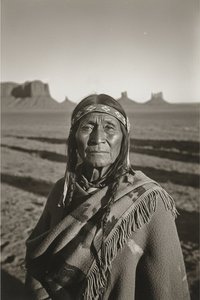
Shadow Catcher: Edward S. Curtis & the Ethnographic Portraiture of a Vanishing West
Explore the life & work of Edward S. Curtis, the 'Shadow Catcher,' and his groundbreaking photographic documentation of Native American cultures. Discover iconic images from *The North American Indian* and a critical look at his lasting legacy.
James Otto Lewis: Navigating American Modernism Through Regional Identity & Stylistic Innovation
Explore the captivating portraits of James Otto Lewis, a pivotal figure bridging 19th-century realism & American Modernism. Discover his groundbreaking work documenting Native American culture and regional identity.

Charles Bird King: Capturing Native American Dignity Through Portraiture & Cultural Exchange
Explore the captivating portraits of Charles Bird King, renowned for his depictions of Native American leaders. Discover the historical context, artistic techniques, and collecting value of these significant 19th-century artworks.
George Catlin: Witnessing & Representing Indigenous Life on the American Frontier
Explore the captivating art of George Catlin, renowned for his vivid portraits & landscapes documenting Native American life on the frontier. Discover a vanishing world through stunning paintings and historical context.

