Pictorialism · 1920
Sunflower (Edwardas Steichenas, 1920)
Edwardas Steichenas (1900–1973) sukūrė Sunflower. Šis kūrinys datuojamas 1920 m. Šis kūrinys priklaulo Pictorialism kieruliui. Pagaminta naudojant Acrylic On Canvas. Eksponatas saugomas George Eastman muziejus Rochester, Jungtinės Amerikos Valstijos. Dimensijos – 19 × 24 cm.
- 1920
- Acrylic On Canvas
- 19 × 24 cm
- George Eastman muziejus, Rochester

 Peržiūrėti realaus dydžio版

 Rankinio darbo aliejinės imitacijos paveikslas
 Pasidalinti
 Dalintis
 Informacinė l lapelė


 Atsisiųsti
 Panašūs eksponatai
 Rentgeno spindulių nuotrauka
 Automatinė diorama
 问答

 Statistika
Sunflower, trumpai
- Pavadinimas
- Sunflower
- Autorius
- Edwardas Steichenas (1900–1973)
- Dizainere/is gimęs
- Bivange, Luksamburgas
- Data
- 1920
- Mediumas
- Acrylic On Canvas
- Matmenys
- 19 × 24 cm
- Kur galima pamatyti
- George Eastman muziejus, Rochester, Jungtinės Amerikos Valstijos
- Judėjimas
- Pictorialism
- Laikotarpis
- 19th Century
- Tema
- sunflower, edward steichen, photography, art, landscape, composition
Ką vaizduoja Sunflower?
A Luxembourgian Seed Takes Root: The Genesis of “Sunflower”
Edward Steichen’s 1920 painting, "Sunflower," isn’t merely a depiction of a flower; it's a poignant distillation of memory, displacement, and the enduring search for belonging. Born in the small, unassuming village of Bivange, Luxembourg, in 1879 – a region steeped in history and shadowed by the shifting borders of Europe – Steichen’s early life was marked by an emigration to America at just eighteen months old. This relocation, a common experience for Luxembourgers facing economic hardship, instilled within him a profound sense of rootlessness, a feeling that would subtly permeate his artistic vision throughout his career. The painting itself emerges from this context; it's not simply a botanical study but a visual echo of a past left behind, a yearning for stability amidst constant change.
Steichen’s journey to America was fueled by the hope of opportunity and a desire to escape the limitations imposed by his birthplace. He quickly immersed himself in the vibrant artistic scene of Milwaukee, Wisconsin, where he honed his skills as a lithographer and began experimenting with photography – a medium that would ultimately become his defining voice. This early exposure to both visual arts laid the groundwork for his later ability to capture light, texture, and emotion with remarkable precision.
The Pictorialist’s Palette: Technique and Style
“Sunflower” exemplifies Steichen's mastery of the pictorialist style – a movement that sought to elevate photography to the level of fine art. The painting is rendered in tempera and oil on canvas, utilizing a muted palette dominated by earthy browns, ochres, and subtle greens. These colors evoke the rich soil from which the sunflower springs, grounding the image in a sense of naturalism while simultaneously lending it an air of quiet contemplation. Steichen’s brushwork is deliberately soft and blended, creating a hazy, dreamlike quality that obscures sharp details and invites the viewer to lose themselves within the scene.
The composition itself is carefully constructed. The sunflower dominates the center of the frame, its broad petals radiating outwards in an explosion of color and form. Steichen employs a technique known as *sfumato*, borrowed from Renaissance painting, to soften edges and create a sense of atmospheric perspective. This blurring effect not only adds depth but also contributes to the painting’s overall mood of melancholy and nostalgia. The lighting is particularly noteworthy – a diffused, almost ethereal glow that seems to emanate from within the flower itself, suggesting an inner life and vitality.
Symbolism in Bloom: Memory, Displacement, and Resilience
The sunflower, as a symbol, carries layers of meaning. Historically, it has represented adoration, loyalty, and longevity – qualities that resonate deeply with Steichen’s own experiences. The flower's tendency to follow the sun is often interpreted as a metaphor for seeking guidance and direction in life, a theme particularly relevant to an artist grappling with displacement and uncertainty. The painting can be seen as a visual representation of Steichen’s own journey – his departure from Luxembourg, his struggles to find acceptance in America, and his ongoing quest for artistic fulfillment.
Furthermore, the sunflower's association with remembrance is significant. It’s often used as a symbol of mourning and remembrance, connecting to the broader context of Steichen’s life – marked by personal loss and the challenges of adapting to a new culture. Despite these hardships, however, “Sunflower” ultimately conveys a sense of resilience and hope. The flower's vibrant colors and upward-reaching form suggest an enduring spirit, a testament to the human capacity for growth and renewal.
A Legacy in Light: Steichen’s Enduring Influence
Edward Steichen’s “Sunflower” stands as a powerful example of his artistic vision – a synthesis of technique, symbolism, and personal experience. His pioneering work in photography and painting profoundly influenced generations of artists, shaping the course of modern visual culture. Today, reproductions of this evocative image continue to captivate viewers with their quiet beauty and poignant message. It serves as a reminder that even amidst displacement and hardship, there is always room for growth, remembrance, and the enduring pursuit of light.
Kuriame muziejuje eksponuojamas karya Sunflower?
George Eastman muziejus
Rochester, Jungtinės Amerikos Valstijos
Šviesoje išraiškytas palikimas Ramioje, žaliuojančiojo Niujorko valstijos Rochesterio kraštovėje stovi paminklas ne tik menui, bet ir pačiam vizualaus pasakojimo išradimui. George'o Eastman muziejus yra kur kas daugiau nei fotografijų ir filmų saugotas rezervuaras; tai gyvas įtodas begaliniam žmogaus norui užfiksuoti praegausią akimirką, išsaugoti trumpalaikę atmintį ir pasidalinti giliomis vizijomis. Įkurta vizionieriško verslininko George'o Eastman'o – žmogaus, kuris per savo revoliaciją „Kodak“ fotoaparatus padarė fotografiją prieinamą kiekvienam – ši institucija į embodies neįtikėtiną technologinių inovacijų, meninės išraiškos ir architektūrinio prabrėžimo susiliejimą.


Sunflower dididraudžios kokybės vaizdai

Protected by copyright: these files are for personal reference, not a licence to republish.
Edwardas Steichenas, Sunflower (1920), George Eastman muziejus.
Atsakimai į klausimus apie Sunflower
Kur šiandien galima pamatyti kūrinį „Sunflower“ – Edwardas Steichenas?
Originalų kūrinį „Sunflower“ galite pamatyti George Eastman muziejus, Rochester, Jungtinės Amerikos Valstijos.
Kokia yra „Sunflower“ – Edwardas Steichenas kūrybos data?
„Sunflower“ – Edwardas Steichenas sukurtas 1920 m.
Kokia technika panaudota kūriniui „Sunflower"]?
„Sunflower“ technika – Acrylic On Canvas.
Kokie yra „Sunflower“ – Edwardas Steichenas realūs matmenys?
Originalaus kūrinio „Sunflower“ – Edwardas Steichenas matmenys yra 24 x 19 cm.
Ką vaizduoja „Sunflower“ – Edwardas Steichenas?
„Sunflower“ – Edwardas Steichenas temos apima sunflower, edward steichen, photography, art, landscape, composition, color, 1920. Kartu jie apibendrina šio kūrinio tematiką.
Ar „Sunflower“ – Edwardas Steichenas vaizdą galima laisvai reprodukcijaoti?
„Sunflower“ – Edwardas Steichenas yra vis dar saugoma autorineje teisėje. Šis statusas nustato, kaip galima reprodukcijaus šio kūrinio vaizdą.
Kas yra „Sunflower“ kūrybos autorius?
Kūrinį „Sunflower“ sukūrė Edwardas Steichenas. Darbas katalogizuojamas Edwardas Steichenas vardu.
Kokiam stiliui priklauso „Sunflower“?
„Sunflower“ yra Pictorialism stiliaus kūrinys. Šis dailos kryptis nurodo meninę tradiciją, kurios šis darbas yra dalis.
Kokio Edwardas Steichenas kūrybos etapo dalis yra „Sunflower“?
Edwardas Steichenas kūrybos enceklopedijoje kūrinys „Sunflower“ priskiriamas Early Period laikotarpiui. Šis etapas leidžia palyginti jį su kitais šio autoriaus kūriniais.
Apie šį menininką, Edwardas Steichenas

1900–1973, Luksamburgas
Edwardas Steichenas
Pasaikių tiltas: Edvardo Steicheno meninė oda Édouard Jean Steichen, vėliau žinomas kaip Edward Steichen, buvo figūra, persprendžianti paprastas kategorijas. Gimęs 1879 metais nedideliame Luksemburgo kaimelyje Bivange, jis atliko neįtikėtiną kelionę nuo europinių šaknų iki vieno įtakingiausių Amerikos menininkų – ne tik kaip fotografas, bet ir kaip paveikslas kūręs, kuratorius bei vizionierius, pakeitęs mūsų suvokimą apie vizualinę kultūradą. Ankstyvoji jo gyvenimo dalis pažymėta didžiu migracijos poslinkiu; 1881 metais Steicheno šeima emigravo į Hancock, Michigan, ieškodama naujų galimybių. Šis judėjimas jaunam Edvardui įdiegė išstumto jausmą ir galbūt padarytino padidintą stebėjimo jautrumą – savybes, kurios vėliau kruopščiai suformuodavo jo meninę viziją.
Apie Edwardas Steichenas Žinomiausi Edwardas Steichenas darbai
Taip pat Edwardas Steichenas darbai
 Le Tournesol (The Sunflower)1920
 Behind-the-scenes photograph, Paying the Piper1921
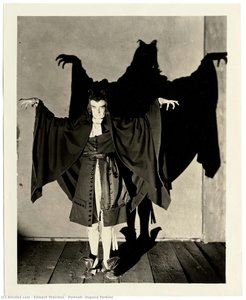 Portrait, Osgood Perkins1923
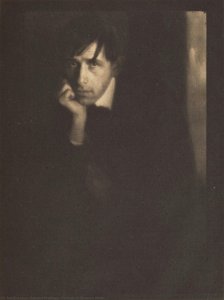 Portrait of Clarence White1905
Esdai apie Sunflower
 Pictorialism Unveiled: How the Aesthetic Revolution Transformed Photography into Fine ArtExplore the revolution of Pictorialism. Discover how visionary photographers moved beyond documentation to transform the lens into a fine a…
 19th Century Masterpieces: 10 Paintings That Defined an Era | OriginalUniqueArtJourney through 19th century art with OriginalUniqueArt! Explore 10 iconic paintings – from Monet & Renoir to Courbet – and discover the st…
 Sunlight on Canvas: The Radiant Symbolism of Yellow Flowers in Impressionist ArtExplore the profound symbolism of yellow flowers in Impressionist art through expert analysis. Discover the light of the masters today.