Contemporary Realism Contemporary Realism · 1912
squam light (Edwardas Hopperis, 1912)
Edwardas Hopperis (1882–1967) sukūrė squam light. Šis kūrinys datuojamas 1912 m. Šis kūrinys priklaulo Contemporary Realism Contemporary Realism kieruliui. Pagaminta naudojant Acrylic On Canvas.
- 1912
- Acrylic On Canvas

 Peržiūrėti realaus dydžio版

 Rankinio darbo aliejinės imitacijos paveikslas
 Pasidalinti
 Dalintis
 Informacinė l lapelė


 Atsisiųsti
 Panašūs eksponatai
 Rentgeno spindulių nuotrauka
 Automatinė diorama
 问答

 Statistika
squam light, trumpai
- Pavadinimas
- squam light
- Autorius
- Edwardas Hopperis (1882–1967)
- Dizainere/is gimęs
- Upper Nyack, JAV
- Data
- 1912
- Mediumas
- Acrylic On Canvas
- Laikotarpis
- 19th Century
- Tema
- lighthouse scene, coastal landscape, edward hopper, atmospheric light, solitude theme, american realism
Ką vaizduoja squam light?
A Study in Coastal Solitude: "Squam Light" by Edward Hopper
Edward Hopper’s “Squam Light,” painted in 1912, is more than just a depiction of a New England coastline; it's a carefully constructed meditation on isolation and the enduring presence of human endeavor against the vastness of nature. The painting immediately draws the viewer into a scene of quiet contemplation – a solitary lighthouse standing sentinel over a turbulent sea, its white form a beacon both literal and metaphorical. Hopper’s masterful use of light and shadow, hallmarks of his style, dramatically shapes the composition, emphasizing the stark geometry of the lighthouse against the diffuse, cloudy sky.
- Subject Matter: The primary subject is the iconic New England lighthouse, a symbol of guidance, safety, and connection. However, Hopper subtly subverts this traditional symbolism by presenting it in a state of quiet detachment.
- Composition: The placement of the houses – one prominent in the foreground, another receding into the distance – creates a sense of depth and invites the viewer to consider the lives unfolding within these modest dwellings.
Technique and Style: Hopper’s Realist Vision
Painted during a period when American realism was gaining prominence, “Squam Light” exemplifies Hopper's meticulous attention to detail and his ability to capture the essence of everyday life. His technique is characterized by precise brushwork and a restrained palette – primarily muted blues, grays, and whites – which contributes significantly to the painting’s melancholic mood. Hopper’s approach was rooted in observation; he spent considerable time studying the landscapes and people around him, translating his perceptions onto canvas with remarkable accuracy. The slightly hazy atmosphere, achieved through layering of paint, adds a sense of atmospheric perspective, further enhancing the realism of the scene.
Historical Context: A Moment of Transition
1912 marks a pivotal moment in American art history. Hopper was developing his distinctive style during this time, influenced by the burgeoning interest in depicting modern life and the growing awareness of urban alienation. The rise of industrialization and urbanization were beginning to reshape American society, leading to increased feelings of isolation and detachment – themes that would become central to Hopper’s oeuvre. This painting reflects a broader cultural shift towards introspection and a questioning of traditional values.
Symbolism and Emotional Impact
"Squam Light" resonates with viewers on an emotional level due to its inherent ambiguity. The lighthouse, though offering guidance, remains isolated; the houses suggest lives lived within quiet routines, perhaps lacking connection or purpose. Hopper’s work frequently explores themes of loneliness, alienation, and the search for meaning in a rapidly changing world. The painting's subdued palette and carefully constructed composition evoke a sense of melancholy and contemplation, inviting viewers to reflect on their own experiences of solitude and the relationship between humanity and the natural world. It is a powerful reminder of the quiet beauty and inherent sadness that can be found in even the most familiar landscapes.
squam light dididraudžios kokybės vaizdai
Protected by copyright: these files are for personal reference, not a licence to republish.
Edwardas Hopperis, squam light (1912).
Atsakimai į klausimus apie squam light
Kokia yra „squam light“ – Edwardas Hopperis kūrybos data?
„squam light“ – Edwardas Hopperis sukurtas 1912 m.
Kokia technika buvo panaudota kūriniam darbui „squam light“ – Edwardas Hopperis?
Edwardas Hopperis kūriniui „squam light“ panaudojo Acrylic On Canvas techniką. Ši technika apibrėžė originalaus kūrinio medžiaginę prigimtį.
Ką vaizduoja „squam light“ – Edwardas Hopperis?
„squam light“ – Edwardas Hopperis vaizdeletas: lighthouse scene, coastal landscape, edward hopper, atmospheric light, solitude theme, american realism, nineteen eleven.
Ar „squam light“ – Edwardas Hopperis vaizdą galima laisvai reprodukcijaoti?
Kalbant apie autorišką teisę, „squam light“ yra vis dar saugoma autorineje teisėje.
Kuriam menininkui priskiriamas kūrinys „squam light“?
„squam light“ priskiriamas Edwardas Hopperis.
Kokiam stiliui priklauso „squam light“?
„squam light“ yra Contemporary Realism Contemporary Realism stiliaus kūrinys. Šis dailos kryptis nurodo meninę tradiciją, kurios šis darbas yra dalis.
Kokio Edwardas Hopperis kūrybos laikotarpio priklauso „squam light“?
Edwardas Hopperis kūrybos enceklopedijoje kūrinys „squam light“ priskiriamas Mature Period Mature Period laikotarpiui. Šis etapas leidžia palyginti jį su kitais šio autoriaus kūriniais.
Kokia buvo Edwardas Hopperis amžius sukuriant „squam light"]?
Edwardas Hopperis buvo 30 metų, kai 1912 m. sukūrė kūrinį „squam light“. Amžius apskaičiuotas remiantis gimimo metais 1882.
Kodėl „squam light“ autoriškos teisės statusas yra toks, koks yra?
„squam light“ – Edwardas Hopperis yra vis dar saugoma autorineje teisėje. Autorinės teisės galioja nuo mirties metų, kai šis kūrėjas mirė 1967 m.
Apie šį menininką, Edwardas Hopperis
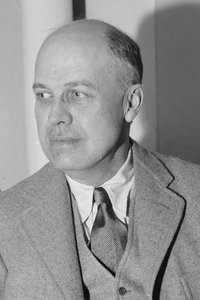
1882–1967, JAV
Edwardas Hopperis
The Quietude of the American Scene Edward Hopper was born in Upper Nyack, United States of America. His early years were spent observing the world with a steady eye, a habit that began with childhood sketches meticulously dated and signed. While his parents suggested a practical path in commercial illustration, his focus remained on fine art. He studied at the New York School of Art under William Merritt Chase and Robert Henri.
Taip pat Edwardas Hopperis darbai
 Edward Hopper
Upper Nyack
United States of America
1931
1942
1967
Švyturys tamsoje: tyrinėjant Hopperio šedevrą
Sukurta 1942 m., ši ikoniška paveikslų scena užfiksuoja vėlyvojo nakties įvykius visą naktį dirbančiame restorane, tapdama vienu iš labi1942
 Automatas (mažas)
 Namas prie geležinkelio1925
 Niujorko filmas1939
Esdai apie squam light
 Harlem Renaissance vs. American Scene Painting: Defining Two Eras of US ArtDiscover the stylistic differences between Harlem Renaissance and American Scene Painting. Explore these iconic art movements now.
 American artworks of the 1940sIconic 1940s American works by Edward Hopper and Dorothea Lange. Explore the full collection online at OriginalUniqueArt.com.
 American artworks of the 1950sIconic 1950s American works by Edward Hopper and Richard Avedon define an era. Explore the full collection online at OriginalUniqueArt.com.