American Realism
Excursion into Philosophy (Edwardas Hopperis)
Edwardas Hopperis (1882–1967) sukūrė Excursion into Philosophy. Šis kūrinys priklaulo American Realism kieruliui. Pagaminta naudojant Oil On Canvas.
- Oil On Canvas

 Peržiūrėti realaus dydžio版

 Rankinio darbo aliejinės imitacijos paveikslas
 Pasidalinti
 Dalintis
 Informacinė l lapelė


 Atsisiųsti
 Panašūs eksponatai
 Rentgeno spindulių nuotrauka
 Automatinė diorama
 问答

 Statistika
Excursion into Philosophy, trumpai
- Pavadinimas
- Excursion into Philosophy
- Autorius
- Edwardas Hopperis (1882–1967)
- Dizainere/is gimęs
- Upper Nyack, JAV
- Mediumas
- Oil On Canvas
- Judėjimas
- American Realism
- Laikotarpis
- Modern
- Tema
- solitude, isolation, reflection, urban scene, interior, light & shadow
Ką vaizduoja Excursion into Philosophy?
A Quiet Drama: Unveiling Edward Hopper’s “Excursion into Philosophy”
Edward Hopper's "Excursion into Philosophy" is a profoundly evocative work that encapsulates the core tenets of American Realism, offering a glimpse into the introspective lives of ordinary individuals. Painted during a period of rapid social and cultural change in America, this piece transcends mere representation to become a meditation on solitude, contemplation, and the passage of time. Hopper masterfully captures a moment suspended between action and reflection, inviting viewers to project their own narratives onto the scene.Decoding the Scene: Subject & Composition
The painting depicts an intimate interior – a sparsely furnished room dominated by a bed and a window allowing soft, natural light to flood the space. A man sits on the edge of the bed, his gaze directed towards a woman lying prone on the floor nearby. A small table between them holds a book, suggesting intellectual engagement or perhaps a shared moment of quiet study. The composition is deliberately restrained; Hopper eschews dramatic gestures in favor of subtle positioning and nuanced body language. Two figures are partially visible in the background, adding to the sense of enclosure and hinting at lives unfolding beyond the immediate frame. The overall impression is one of stillness and psychological tension.Technique & Style: A Masterclass in Realism
Hopper’s technical prowess shines through in his meticulous rendering of light and shadow. Executed in oil, the painting boasts a rich texture and depth, achieved through careful layering and blending of pigments. His use of color is equally deliberate – a muted palette of blues, browns, and grays creates a somber yet serene atmosphere. The flattened perspective contributes to the sense of theatricality, almost as if we are observing a scene unfolding on a stage. This stylistic choice emphasizes the emotional weight of the moment rather than strict adherence to realistic spatial representation. Hopper’s dedication to realism wasn't about photographic accuracy; it was about capturing the essence of modern American life with honesty and psychological insight.Symbolism & Interpretation: Layers of Meaning
Several symbolic elements enrich the painting’s narrative complexity. The clock prominently displayed above the man serves as a potent reminder of time's relentless march, adding a philosophical dimension to the scene. Is it a symbol of lost opportunities, impending change, or simply the inevitable flow of existence? The book on the table suggests intellectual pursuit, but its closed position could imply stagnation or unresolved questions. The figures themselves are imbued with symbolic weight – their postures and expressions hinting at unspoken emotions and complex relationships. The expansive view visible through the window offers a contrasting sense of freedom and possibility, perhaps representing a longing for escape from the confines of the room—and potentially, from the constraints of life itself.Historical Context & Hopper’s Legacy
“Excursion into Philosophy” reflects the anxieties and uncertainties of post-World War I America. The painting emerged during a period marked by rapid urbanization, social upheaval, and a growing sense of alienation. Hopper's work resonated with audiences because it captured these feelings with unflinching honesty. He became one of the most important chroniclers of 20th-century American life, influencing generations of artists with his distinctive style and thematic concerns. His paintings continue to be celebrated for their emotional depth, technical brilliance, and enduring relevance.Emotional Resonance & Collecting Considerations
“Excursion into Philosophy” evokes a range of emotions – melancholy, introspection, quiet desperation, and perhaps even a glimmer of hope. It’s a painting that stays with the viewer long after they've turned away, prompting contemplation on the human condition. For collectors and interior designers, a reproduction of this work offers a sophisticated touch of American Realism, adding depth and intellectual weight to any space.- The muted color palette complements a variety of décor styles.
- The painting’s introspective mood creates a calming and contemplative atmosphere.
- Its iconic status ensures lasting artistic value.
Excursion into Philosophy dididraudžios kokybės vaizdai

Protected by copyright: these files are for personal reference, not a licence to republish.
Edwardas Hopperis, Excursion into Philosophy.
Atsakimai į klausimus apie Excursion into Philosophy
Kokia technika sukurta „Excursion into Philosophy“ – Edwardas Hopperis?
Edwardas Hopperis kūriniui „Excursion into Philosophy“ panaudojo Oil On Canvas techniką. Ši technika apibrėžė originalaus kūrinio medžiaginę prigimtį.
Kokios temos atsispindi kūrynioje „Excursion into Philosophy“ – Edwardas Hopperis?
„Excursion into Philosophy“ – Edwardas Hopperis temos apima solitude, isolation, reflection, urban scene, interior, light & shadow, american life, philosophical. Kartu jie apibendrina šio kūrinio tematiką.
Ar „Excursion into Philosophy“ yra viešosios teisės kūrinys?
Autorių teisių statusas kūriniui „Excursion into Philosophy“ – Edwardas Hopperis: kūrinys priklauso vis dar saugoma autorineje teisėje. Tai nulemia, ar galima laisvai reprodukciuoti šį vaizdą.
Kas yra „Excursion into Philosophy“ kūrybos autorius?
Kūrinį „Excursion into Philosophy“ sukūrė Edwardas Hopperis. Darbas katalogizuojamas Edwardas Hopperis vardu.
Kokio meno kryžmės dalis yra „Excursion into Philosophy“ – Edwardas Hopperis?
Kūrinio „Excursion into Philosophy“ – Edwardas Hopperis stilius – American Realism. Ši klasifikacija leidžia šį darbą įtraukti į bendrą susijusių menininkų ir kūrinių kontekstą.
Kokio Edwardas Hopperis kūrybos laikotarpio priklauso „Excursion into Philosophy“?
„Excursion into Philosophy“ priklauso Edwardas Hopperis kūrybos karjeros Mature Period etapui. Ši klasifikacija atspindi kūrinio ryšį su menininko evoliucija.
Kokia yra autorinės teisės situacijos priežastis kūriniam darbui „Excursion into Philosophy“ – Edwardas Hopperis?
„Excursion into Philosophy“, kurį sukūrė Edwardas Hopperis, yra vis dar saugoma autorineje teisėje. Autorinės teisės apsaugos terminai skaičiuojami nuo autoriaus mirties, o Edwardas Hopperis mirė 1967 m.
Ką „Excursion into Philosophy“ turi bendro su visa Edwardas Hopperis kūryba?
Edwardas Hopperis kūryboje „Excursion into Philosophy“ atlieka American Realism stilių, susijęs su captures quiet, introspective moments temomis.
Kokią vietą Edwardas Hopperis pasikartojančių temų tarėje užima „Excursion into Philosophy“?
Tarp užfiksuotų Edwardas Hopperis temų – captures quiet, introspective moments – kūrinys „Excursion into Philosophy“ akcentuoja solitude, isolation, reflection, urban scene, interior, light & shadow, american life, philosophical.
Apie šį menininką, Edwardas Hopperis
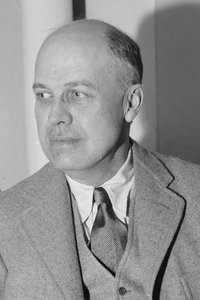
1882–1967, JAV
Edwardas Hopperis
The Quietude of the American Scene Edward Hopper was born in Upper Nyack, United States of America. His early years were spent observing the world with a steady eye, a habit that began with childhood sketches meticulously dated and signed. While his parents suggested a practical path in commercial illustration, his focus remained on fine art. He studied at the New York School of Art under William Merritt Chase and Robert Henri.
Taip pat Edwardas Hopperis darbai
 Edward Hopper
Upper Nyack
United States of America
1931
1942
1967
Švyturys tamsoje: tyrinėjant Hopperio šedevrą
Sukurta 1942 m., ši ikoniška paveikslų scena užfiksuoja vėlyvojo nakties įvykius visą naktį dirbančiame restorane, tapdama vienu iš labi1942
 Automatas (mažas)
 Namas prie geležinkelio1925
 Niujorko filmas1939
Esdai apie Excursion into Philosophy
 Mastering Solitude: The Top 25 Iconic Artworks by Edward HopperStep into the quiet world of American Realism with our curated guide to the top 25 Edward Hopper artworks. Explore the light, shadow, and s…
 American contemporary realist paintersAmerican contemporary realist painters like Edward Hopper define modern life. Explore the full collection online at OriginalUniqueArt.com.
 Time's Relentless March: Decoding the Symbolism of Clocks and Hourglasses in Vanitas ArtExplore the profound symbolism of clocks and hourglasses in Dutch Vanitas art. Decode these Baroque masterpieces with our expert guide.