Contemporary Realism
Evening Wind (Edwardas Hopperis)
Edwardas Hopperis (1882–1967) sukūrė Evening Wind. Šis kūrinys priklaulo Contemporary Realism kieruliui. Pagaminta naudojant Etching.
- Etching

 Peržiūrėti realaus dydžio版

 Rankinio darbo aliejinės imitacijos paveikslas
 Pasidalinti
 Dalintis
 Informacinė l lapelė


 Atsisiųsti
 Panašūs eksponatai
 Rentgeno spindulių nuotrauka
 Automatinė diorama
 问答

 Statistika
Evening Wind, trumpai
- Pavadinimas
- Evening Wind
- Autorius
- Edwardas Hopperis (1882–1967)
- Dizainere/is gimęs
- Upper Nyack, JAV
- Mediumas
- Etching
- Judėjimas
- Contemporary Realism
- Laikotarpis
- Modern
- Tema
- solitude, femininity, interior space, bedtime, darkness, light contrast
Ką vaizduoja Evening Wind?
Identification of Evening Wind by Edward Hopper
The scene unfolds in 1930, a moment frozen in the quietude of Evening Wind. Edward Hopper captures a singular instance of stillness, presenting a portrait of quiet contemplation that feels as though it is happening right now, just beyond the reach of the viewer. The air seems to hold its breath as the subject settles into a private, internal world.
In this work, Edward Hopper focuses on the weight of a single, unspoken thought. The composition centers on a woman, her presence defined by a sense of vulnerability and the soft, restless movement of fabric. It is a study of the human condition caught in a pause, where the external world recedes to make room for the gravity of the individual experience.
Composition and Visual Elements
The scene unfolds from a slightly elevated perspective, as if the viewer is looking down into a private, quiet moment. At the heart of this arrangement, a figure sits kneeling near the edge of a bed. The composition relies on a striking interplay of geometry and movement. Strong vertical lines rise from the bedpost, anchoring the space with a sense of structural permanence. These rigid, upright forms clash against the fluid, contrasting curves of the figure's body and the billowing fabric of the sheets.
A dynamic tension pulls at the eye, caught between the unyielding verticality of the furniture and the restless, sweeping motion of the draped cloth. Behind the woman, the world falls away into a dark, undefined space. This void pushes the subject forward, heightening the sense of isolation within the room. The arrangement directs all attention to the central figure, making the stillness of the woman feel heavy against the sudden, outward surge of the linens.
Technique and Material Details
The artist works with a steady hand, pressing a needle tool into a metal plate to etch fine, decisive lines. This process of drypoint etching or engraving requires a meticulous touch to transfer the image onto the surface, which is typically composed of copper or zinc. Every stroke of the needle carves a path for the ink, preparing the plate for the moment of contact with paper. There is a rhythmic precision in how these marks are laid down, capturing the subtle textures of the scene through sheer physical effort.
Once the plate is prepared, ink is applied across the surface, settling into the grooves and depressions created by the tool. The printing process pulls this ink onto the paper, revealing a world of tonal nuance. To build depth and define the forms of the woman and the billowing fabric, the artist employs extensive hatching and cross-hatching. These dense networks of fine lines create the illusion of shadow and light, allowing the eye to perceive volume and texture where there is only ink and paper. The interplay of these marks gives the sheets a sense of movement and the shadows a palpable weight.
Color Palette and Lighting Effects
The scene unfolds within a strict monochrome grayscale scheme. There is no color to distract the eye, only a deliberate arrangement of light and shadow. Shades of gray stretch from the deepest, ink-like blacks to the palest, most fragile whites. This limited range forces the viewer to focus on the essential architecture of the moment, emphasizing the heavy texture of the fabric and the sharp contours of the room. Every tonal shift defines a shape or a surface, making the interplay of light feel tangible.
An unseen source of illumination cuts through the stillness, casting dramatic shadows that stretch across the space. This light creates a sharp, heavy contrast between the bright highlights and the dark, receding corners. The way the light hits the billowing sheets and the figure's form gives the composition a sense of volume and depth. It is a study in how darkness can define a space just as clearly as the light itself, carving out a sense of presence within the quiet, shadowed interior.
Subject Matter and Emotional Themes
A private moment unfolds in the stillness of a room, centered on a woman kneeling beside a bed. She exists in a state of quiet contemplation, her posture revealing a profound sense of vulnerability. Around her, the sheets billow outward, caught in an unseen movement that suggests a sudden, restless energy. These shifting fabrics act as metaphors for an internal emotional turbulence, mirroring a spirit that cannot find rest even in the sanctuary of a domestic space.
The atmosphere carries a heavy weight of quiet melancholy. There is a palpable sense of solitude here, as if the air itself is thick with unspoken thoughts. The scene invites a feeling of longing, pulling the viewer into a space defined by introspection and the heavy silence of a life lived in the margins of the everyday. One wonders what occupies her mind in this solitary hour, as the shadows deepen around her figure.
Related Works by Edward Hopper
The artist's earlier explorations reveal a steady gaze that began long before this intimate moment. In 1903, an Edward Hopper Self-Portrait captures a younger version of the man who would eventually master the art of stillness. By 1912, the work squam light shows a developing eye for the way illumination interacts with its surroundings. These early pieces hint at the profound ability to find meaning in the quietude of a single scene.
Other works from his career echo the themes of solitude and the subtle tension of human presence. In Night on the El Train, a sense of silence settles between figures, much like the unspoken narratives found in domestic interiors. The artist also turned his attention to simpler, more direct subjects, such as the nautical scene in The Catboat. Each piece reflects a persistent interest in the intersection of physical space and the private, internal experiences of those caught within it.
Evening Wind dididraudžios kokybės vaizdai
Protected by copyright: these files are for personal reference, not a licence to republish.
Edwardas Hopperis, Evening Wind.
Atsakimai į klausimus apie Evening Wind
Kokia technika sukurta „Evening Wind“ – Edwardas Hopperis?
„Evening Wind“ – Edwardas Hopperis technika – Etching. Kopijos siekia atkartoti šios technikos vaizdą.
Kokios temos atsispindi kūrynioje „Evening Wind“ – Edwardas Hopperis?
Darbos „Evening Wind“ temos yra solitude, femininity, interior space, bedtime, darkness, light contrast, domesticity, vulnerability.
Ar „Evening Wind“ yra viešosios teisės kūrinys?
„Evening Wind“ – Edwardas Hopperis yra vis dar saugoma autorineje teisėje. Šis statusas nustato, kaip galima reprodukcijaus šio kūrinio vaizdą.
Kuriam menininkui priskiriamas kūrinys „Evening Wind“?
Kūrinį „Evening Wind“ sukūrė Edwardas Hopperis. Darbas katalogizuojamas Edwardas Hopperis vardu.
Kokiam stiliui priklauso „Evening Wind“?
„Evening Wind“ – Edwardas Hopperis priklauso Contemporary Realism stiliui. Ši dailės kryptis suteikia kūriniui stilistinį kontekstą.
Kokį Edwardas Hopperis kūrybos etapą atspindi „Evening Wind“?
„Evening Wind“ priklauso Edwardas Hopperis kūrybos karjeros Mature Period etapui. Ši klasifikacija atspindi kūrinio ryšį su menininko evoliucija.
Kokia yra autorinės teisės situacijos priežastis kūriniam darbui „Evening Wind“ – Edwardas Hopperis?
„Evening Wind“ – Edwardas Hopperis yra vis dar saugoma autorineje teisėje. Autorinės teisės galioja nuo mirties metų, kai šis kūrėjas mirė 1967 m.
Kaip kūrinys „Evening Wind“ dera su Edwardas Hopperis temomis ir stiliumi?
„Evening Wind“ priklauso Edwardas Hopperis Contemporary Realism kūrybai, kurios įrašytoms temoms priskiriamas realism, psychological depth, urban isolation, domestic tranquility, hopper’s signature style.
Kokią vietą Edwardas Hopperis pasikartojančių temų tarėje užima „Evening Wind“?
Tarp užfiksuotų Edwardas Hopperis temų – realism, psychological depth, urban isolation, domestic tranquility, hopper’s signature style – kūrinys „Evening Wind“ akcentuoja solitude, femininity, interior space, bedtime, darkness, light contrast, domesticity, vulnerability.
Apie šį menininką, Edwardas Hopperis
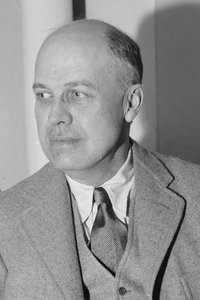
1882–1967, JAV
Edwardas Hopperis
The Quietude of the American Scene Edward Hopper was born in Upper Nyack, United States of America. His early years were spent observing the world with a steady eye, a habit that began with childhood sketches meticulously dated and signed. While his parents suggested a practical path in commercial illustration, his focus remained on fine art. He studied at the New York School of Art under William Merritt Chase and Robert Henri.
Taip pat Edwardas Hopperis darbai
 Edward Hopper
Upper Nyack
United States of America
1931
1942
1967
Švyturys tamsoje: tyrinėjant Hopperio šedevrą
Sukurta 1942 m., ši ikoniška paveikslų scena užfiksuoja vėlyvojo nakties įvykius visą naktį dirbančiame restorane, tapdama vienu iš labi1942
 Automatas (mažas)
 Namas prie geležinkelio1925
 Niujorko filmas1939
Esdai apie Evening Wind
 Norwegian artworks of the 1920sNorwegian 1920s art by Edvard Munch and Nikolai Astrup defines an era of expressionism. View the full collection online at OriginalUniqueAr…
 Edward Hopper: 25 Išskirtiniai Darbai | Tapyba, Aliejus, Interjero DekorasAtraskite 25 ikoninius Edward Hopper paveikslus! Gilinkitės į amerikietiškojo realizmo šedevrus, spalvų žaidimą ir interjero dekoravimo idė…
 The Incised Line: A Technical and Historical Study of Intaglio PrintmakingMaster the technical nuances of intaglio, from engraving to mezzotint. Explore the history of the recessed line now.