Text size

() ·

A painting made for you, by hand

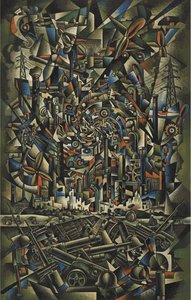
Soldiers at Rye

Rankų darbo aliejinės reprodukcijos

Rankiniu būdu tapytas aliejus ant droblio jūsų pageidaujamame dydį ir rėmuose – tai mūsų menininkų pagal užsakymą sukurtas darbas. ( Perjungti į spausdinamus版作品 Perejti prie skaitmeninių vaizdų)

Kolekcinio objekto aprašas

Edward Burra’s ‘Soldiers at Rye’ (1941) captures a dynamic battlefield scene with 13 soldiers in stunning detail. Explore this iconic British artist's masterful realism and historical significance.

Autoriaus biografija

Discover Edward Burra (1905-1976): British Surrealist master of watercolor. Explore his unsettling scenes of urban life, exoticism & Dada influence. Pioneering 20thC art.

from ·

Chapter 1

How large should it be?

Slide to change the size; the picture on the left shows the frame at its real width. The proportions of the original are kept.

Standartinis dydis
pagal užsakymą
CM
INCH

Pasirinkite iš mūsų nustatytų dydžių, atitinkančių originalaus meno kūrinio proporcijas.

plotis
aukštis

Įveskite jums reikiamą plotį ir aukštį, kad paveikslas atitiktų jūsų rėmą ar sieną. Kadangi šis darbas yra rankinio darbo, siekiant išgauti kitokios formos dydį, paveikslas gali būti šiek tiek didesnis (nuo kraštų bus palikta daugiau erdvės) arba mažesnis – pasirinkite jums patogiausią variantą. Prieš pradedant tapyti, atsiųsime jums skaitmeninį maketą patvirtinimui. Šioje puslapio nuotraukoje matomas vaizdas nėra galutinis rezultatas – jį parodys tik sukurtas maketas.

Chapter 2

How should it arrive?

Choose the edges of the stretched canvas

Choose your frame

Corner sample of the WhiteWrap canvas edge finish, stretched on solidus medžio

**Improved version:**
solidus medis bars
White €1
Corner sample of the BlurSideWrap canvas edge finish, stretched on solidus medžio

**Improved version:**
solidus medis bars
Blurside €1
Corner sample of the ExtendedWrap canvas edge finish, stretched on solidus medžio

**Improved version:**
solidus medis bars
Extended €1
Corner sample of the P118B picture frame: lieto polistirolo detalės, 5 cm wide and 3 cm thick
P118B €10
Corner sample of the P118H picture frame: lieto polistirolo detalės, 5 cm wide and 3 cm thick
P118H €10
Corner sample of the P118W picture frame: lieto polistirolo detalės, 5 cm wide and 3 cm thick
P118W €10
Corner sample of the P438Z picture frame: lieto polistirolo detalės, 5.5 cm wide and 3.5 cm thick
P438Z €10
Corner sample of the P508JH picture frame: lieto polistirolo detalės, 7 cm wide and 3.5 cm thick
P508JH €12
Corner sample of the P508YH picture frame: lieto polistirolo detalės, 7 cm wide and 3.5 cm thick
P508YH €12
Corner sample of the P805H picture frame: lieto polistirolo detalės, 5 cm wide and 3.5 cm thick
P805H €10
Corner sample of the P805Z picture frame: lieto polistirolo detalės, 5 cm wide and 3.5 cm thick
P805Z €10
Corner sample of the P919BZ picture frame: lieto polistirolo detalės, 7 cm wide and 3.5 cm thick
P919BZ €10
Corner sample of the P919G picture frame: lieto polistirolo detalės, 7 cm wide and 3.5 cm thick
P919G €10
Corner sample of the P919XJ picture frame: lieto polistirolo detalės, 7 cm wide and 3.5 cm thick
P919XJ €10
Corner sample of the P959ZH picture frame: lieto polistirolo detalės, 5 cm wide and 3 cm thick
P959ZH €10
Corner sample of the P968JZ picture frame: lieto polistirolo detalės, 6 cm wide and 4 cm thick
P968JZ €12
Corner sample of the W106C picture frame: solidus medžio

**Improved version:**
solidus medis, 5 cm wide and 3 cm thick
W106C €8
Corner sample of the W218G picture frame: solidus medžio

**Improved version:**
solidus medis, 5 cm wide and 3 cm thick
W218G €10
Corner sample of the W218JH picture frame: solidus medžio

**Improved version:**
solidus medis, 5 cm wide and 3 cm thick
W218JH €8
Corner sample of the W218Y picture frame: solidus medžio

**Improved version:**
solidus medis, 5 cm wide and 3 cm thick
W218Y €10
Corner sample of the W307PJ picture frame: solidus medžio

**Improved version:**
solidus medis, 6 cm wide and 3 cm thick
W307PJ €10
Corner sample of the W316G picture frame: solidus medžio

**Improved version:**
solidus medis, 6 cm wide and 3 cm thick
W316G €10
Corner sample of the W316PJ picture frame: solidus medžio

**Improved version:**
solidus medis, 6 cm wide and 3 cm thick
W316PJ €8
Corner sample of the W316Y picture frame: solidus medžio

**Improved version:**
solidus medis, 6 cm wide and 3 cm thick
W316Y €10
Corner sample of the W398PJ picture frame: solidus medžio

**Improved version:**
solidus medis, 5 cm wide and 3 cm thick
W398PJ €8
Corner sample of the W4111J picture frame: solidus medžio

**Improved version:**
solidus medis, 6.5 cm wide and 3.5 cm thick
W4111J €10
Corner sample of the W500HY picture frame: solidus medžio

**Improved version:**
solidus medis, 7 cm wide and 5 cm thick
W500HY €15
Corner sample of the W500JH picture frame: solidus medžio

**Improved version:**
solidus medis, 7 cm wide and 5 cm thick
W500JH €15
Corner sample of the W692G picture frame: solidus medžio

**Improved version:**
solidus medis, 8 cm wide and 4 cm thick
W692G €12
Corner sample of the W849H picture frame: solidus medžio

**Improved version:**
solidus medis, 5 cm wide and 3 cm thick
W849H €8
Corner sample of the W940BG picture frame: solidus medžio

**Improved version:**
solidus medis, 7.5 cm wide and 4.5 cm thick
W940BG €15
Corner sample of the W953PJ picture frame: solidus medžio

**Improved version:**
solidus medis, 6 cm wide and 3.5 cm thick
W953PJ €8
Corner sample of the H24-GOLD picture frame: medžio skulptūra su gipso sluosniu, 10 cm wide and 6 cm thick
H24-GOLD €30
Corner sample of the H24-SILVER picture frame: medžio skulptūra su gipso sluosniu, 10 cm wide and 6 cm thick
H24-SILVER €30
Corner sample of the H36-GOLD picture frame: medžio skulptūra su gipso sluosniu, 15 cm wide and 6.5 cm thick
H36-GOLD €45
Corner sample of the H36-SILVER picture frame: medžio skulptūra su gipso sluosniu, 15 cm wide and 6.5 cm thick
H36-SILVER €45
Rėmo peržiūra
Įrėmintas

Moulding: . Overall size with the frame: .

Chapter 3

Who paints it, and should anything change?

Examples of what can be changed: Replace face with customer photo; Add pet (e.g., replace cat with dog); Include hidden message in background; Change background landscape or elements.
After order, OriginalUniqueArt.com team will email client for instructions and provide a mockup preview

Pristatymas visame pasaulyje () per 3–4 savaites, o ne įprastai – per 5 savaites. (2 lapkritis). Kokybė lieka nepakeičiama.

Chapter 4

The finishing touches

A nameplate, as in a museum?

Išgraviruotos bronzinės plokštelės detalės

This elegant plaque features the artist's name and the title of the artwork, finely engraved for a timeless presentation.

It is made from bronze with a refined, elegant finish. The text is precisely laser-engraved for a sharp and permanent result. Measuring 9x2 cm, the plaque is compact yet easy to read. It's built to be durable and scratch-resistant, offering a professional, museum-quality look. Mounting is simple thanks to the included adhesive backing.

Skaidrios akrilo plokštelės informacija

The plaque includes essential engraved details such as the artist's name, the title of the artwork, the date it was created, the type of media used-like oil on canvas or watercolor-a brief description of the piece, and a QR code that links to the complete artwork information.

It is crafted from clear acrylic, offering a sleek, modern appearance. The text is UV-engraved in black to ensure strong visual contrast. With a size of 10x15 cm, it ensures optimal readability. It comes equipped with two metal hooks for secure wall mounting. The plaque is designed to be weather-resistant, making it suitable for various environments, and it includes interactive features that work seamlessly with smartphone scanning.

Juodos akrilo plokštelės informacija

This elegant plaque includes engraved information such as the artist's name, the title of the artwork, the date it was created, the type of media used (like oil on canvas or watercolor), a short description of the artwork, and a QR code for quick access to more information.

The plaque itself is made from refined black acrylic with a premium finish. The text is laser-engraved in white for high contrast and readability. Its size is 10x15 cm, designed to be easy to read. It comes with two metal hooks for professional mounting. The design is sleek and fits any interior style. It is also weather-resistant and durable, with built-in digital integration for mobile compatibility.

A protective varnish?

When do you need it?

Chapter 5

Your painting, as you ordered it

Soldiers at Rye

Reprodukcijos technika

Reprodukcijos matmenys

-

Aukščiausios klasės meistras

Daugiau detalių, meistriškumo ir papildomo gamybos laiko

-

Reprodukcijos rėmėjimo parinktys

-

-

Dėl meno kūrinių ar reprodukcijų, kurių bet kuri pusė yra didesnė nei 105 cm (apie 41 inch), rėmas bus siunčiamas kaip išskaidytas surinkimo rinkinys. Šis metodas užtikrina saugų pristatymą ir apsaugo nuo transportavimo metu galimos žalos.

Reikalingas profesionalus surinkimas – tai nėra „pasidaryk pats“ (DIY) produktas.
Rinkinys turi būti surinktas, o drobė išplėsta naudojant patyrį profesionalų rėmininką, medžio klijus (nėra įtraukti į rinkinį), drobės plėšimo kleslę bei presas, kad rėmo rėžiai išliktų tiesūs, kol klijai išdžiūvus. Netinkamas surinkimas arba netolydus drobės įtampa gali negrįžtamai sugadinti meno kūrinį, todėl šie atvejai nėra užtraukiami mūsų garantijos.

  • Į komplektą įeina visi vientisos medienos elementai, tiksliai išpjauti pagal dydį.

  • Surmontinama naudojant pridėtus varžtus bei papildomai reikalingą medžio kliją kampų jungtims, kuris nėra pridėtas ir turi būti parinktas rėmininkui.

  • Reikalingi profesionalūs įrankiai, kurie nėra įtraukti į rinkinį: drobės kėlimo plytelės (stiprintuvai) ir klemiai, laikantys rėmo strygius tiesiu kampu, kol džiūsta lipas.

Svarbu:
Kampų jungtims reikalingi medžio klijai, barams reikia laikyti naudojant presas, kol klijai visiškai išdžiūvės, o surinktam rėmui įtempiamai privilgti būtinos drobės įtempimo plytযুক্ত. Šios priemonės į rinkinį neįtrauktos. Prieš užsakydami šio dydžio rinkinį, rekomenduojame pasimalkoti patyrusiu rėmų meistru.

Pavadinimo lentelė

-

-

Apsauginis lakas

Blizgus lakas (ryškina spalvas, saugo nuo šviesos ir drėgmės)

-

Personalizuoti kūrinį

Ką galima pakeisti (pavyzdžiui): pakeisti veidą klientui skirta nuotrauka; pridėti augintinį (pvz., katę pakeisti šuniu); įtraukti paslėptą žinutę fone; pakeisti fono kraštovaizdį ar elementus.

-

Skubiai

Pristatymas visame pasaulyje () per 3–4 savaites, o ne įprastai – per 5 savaites. (2 lapkritis). Kokybė lieka nepakeičiama.

-

Skubus pristatymas

Pristatymas visame pasaulyje () per 5 weeks. (9 lapkritis).

Įskaičiuota

Bendroji kaina

€ 267

Visos kainos suma € 267

Stiklo variantas prieinamas tik pasirinkus dydį iki 110 cm

Included with every order

  • Nemokamas greitasis pristatymas visame pasaulyje
  • Aukštos kokybės lininis drobė
  • Pilnas siuntimo draudimas
  • Muitinės mokesčių grąžinimo garantija
  • Tikro spalvų atitikimo garantija
  • 100 dienų grąžinimo politika (tik esant įtaigoms)
  • 100% pinigų grąžinimo garantija
  • Nuolaida dideliems užsakymams

A Stage of War: Edward Burra’s ‘Soldiers at Rye’

Edward Burra's 1941 painting, *Soldiers at Rye*, is a powerfully unsettling depiction of military life during wartime. The scene presents thirteen figures – soldiers in varying states of readiness – positioned within a bleak and indeterminate landscape. Rather than glorifying combat, Burra offers a starkly realistic portrayal, devoid of heroism, focusing instead on the psychological weight and inherent tension of waiting for action. The composition is deliberately claustrophobic; the tightly packed figures create a sense of unease and shared anxiety. This isn’t a triumphant march or a dramatic battle scene, but a moment suspended in time – a breath held before an uncertain future.

Style & Technique: A Surrealist Glimpse into Reality

Burra's style is uniquely his own, blending elements of Surrealism with a distinctly British sensibility for realism and social commentary. While not strictly adhering to any single movement, the influence of artists like George Grosz – whom Burra discovered through Paul Nash – is evident in the angularity of the figures and the gritty depiction of their surroundings. He employs a meticulous technique, building up layers of watercolor and gouache to achieve remarkable detail, particularly in the rendering of uniforms and facial expressions. The color palette is muted and earthy, dominated by browns, greys, and ochres, reinforcing the somber mood. This deliberate restraint contributes to the painting’s overall sense of foreboding. Burra's masterful draughtsmanship, honed during his training at the Royal College of Art, shines through in the precise linework that defines each figure.

Historical Context & The Spirit of 1941

Created in 1941, *Soldiers at Rye* is deeply rooted in the anxieties of World War II. Though painted relatively early in Britain’s involvement, the shadow of conflict looms large over the canvas. The location, Rye – a historic town on the south coast of England – was strategically important during the war, vulnerable to invasion and serving as a staging ground for troops. Burra himself did not serve in the military, but his work reflects a profound awareness of the national mood and the psychological toll of wartime. The painting can be seen as a response to official war art that often romanticized conflict; instead, Burra presents an unvarnished view of the human cost of war, focusing on the quiet desperation and uncertainty experienced by those who fought.

Emotional Resonance & Lasting Impact

*Soldiers at Rye* is not a painting that offers easy answers or comforting narratives. It’s a work that demands contemplation, prompting viewers to confront the complexities of war and its impact on the human psyche. The soldiers' expressions – ranging from stoicism to apprehension – invite empathy and understanding. The lack of a clear narrative allows for multiple interpretations, making it a timeless piece that continues to resonate with audiences today. Its enduring power lies in its ability to capture not just the physical realities of war, but also the emotional weight carried by those who serve. The painting serves as a potent reminder of the human cost of conflict and the importance of remembering the sacrifices made by generations past.

Klausimai ir atsakymai

Kur galiu įsigyti „Soldiers at Rye“ – Edward Burra spausdinį?

Šio kūrinio „Soldiers at Rye“ – Edward Burra spausdinį galite užsakyti tiesiogiai jo Kūrinio spausdinimas aukščiausia kokybe puslapio: aukščiausios kokybės spausdinys ant medžio siuvinėjamų audinių arba archyvinio kanvas tipo popieriaus.

Kokio meno kryžmės dalis yra „Soldiers at Rye“ – Edward Burra?

Kūrinio „Soldiers at Rye“ – Edward Burra stilius – Realism. Ši klasifikacija leidžia šį darbą įtraukti į bendrą susijusių menininkų ir kūrinių kontekstą.

Kaip suformuota „Soldiers at Rye“ – Edward Burra spalvų kompozicija?

„Soldiers at Rye“ – Edward Burra spalvų analizėje fiksuojamas Bold kontrastas ir Discordant Palette harmonija.

More about this painting

Peržiūrėti realaus dydžio版 Peržiūrėti AR realybėje Perjungti į spausdinamus版作品 Perejti prie skaitmeninių vaizdų Pasidalinti
Išsamiau Vadovas Pridėti į mėgstamiausius Atsisiųsti Panašūs eksponatai Rentgeno spindulių nuotrauka Automatinė diorama Q&A Statistika

In numbers

  • 1941the year it was painted
  • 29frames to choose from
  • standard sizes, in its own proportions
  • 5weeks to paint and deliver it

About the original

Edward Burra

Edward Burra

1905 - 1976, United Kingdom

Quick facts about Edward Burra

  • Name: Edward Burra
  • Movement:
    • Surrealism
    • Dadaism
  • Birth Date: 1905
  • Death Date: 1976
  • Birth Place: South Kensington, United Kingdom
  • Nationality: British
  • Date Of Birth: 1905
  • Date Of Death: 1976
  • Influenced By: Paul Nash, George Grosz
  • Notable Works:
    • The Jungle
    • Dancing Skeletons
    • The Snack Bar
    • Soldiers at Rye
  • Place Of Birth: South Kensington, United Kingdom

Autoriaus biografija

Edward Burra: A Life in Surreal Visions

Early Life and Education

  • Born: South Kensington, United Kingdom, 1905.
  • Edward Burra demonstrated artistic talent early on, particularly as a draughtsman.
  • He received his formal training at the Royal College of Art from 1923 to 1925, honing his skills in drawing and painting.

Early Travels and Influences (1920s)

  • During the latter half of the 1920s, Burra travelled extensively throughout France.
  • He focused on depicting detailed urban scenes, often portraying the harsh realities of life in cities like Toulon and Marseille.
  • These early works reveal a keen observational eye and a sensitivity to social conditions.
  • A pivotal moment came in 1927 when he met Paul Nash, who introduced him to avant-garde periodicals.
  • Exposure to artists like George Grosz through these publications profoundly influenced Burra, inspiring him to experiment with collage and drawing within a Dadaist spirit.

Artistic Development & Key Themes (1930s-1940s)

  • The Jungle (1931) exemplifies Burra’s fascination with the exotic and forbidden. The painting depicts a lavish dinner party set in a fantastical tropical world, blending sensuality with premonitions of death.
  • Burra was among the first British artists to embrace Surrealism, creating a distinctive universe populated by extravagantly dressed women, workers, sailors, and soldiers—often situated in imaginary locales.
  • His physical health, compromised from childhood, led him to favor watercolor as his primary medium due to its relative ease of use compared to oil paints.
  • He held his first solo exhibition at the Leicester Galleries in 1930.
  • The impact of Picasso’s Guernica was significant, prompting a shift in Burra's artistic style.

World War II and Later Life (1940s-1976)

  • During World War II, travel restrictions led Burra to work as a stage designer for theatrical productions and ballets, achieving some recognition in this field.
  • He declined an invitation to become a Royal Academician in 1963 but accepted the Order of the British Empire in 1971.
  • A major retrospective of his work was organized by the Tate Gallery in 1973, solidifying his place within British art history.
  • He died in Hastings on March 22, 1976, as a result of complications from a fractured iliac bone.

Artistic Style and Historical Significance

  • Burra’s style is characterized by its unsettling atmosphere, vivid colors, and distorted figures.
  • He masterfully blended elements of Dadaism and Surrealism with a uniquely British sensibility.
  • His work offers a critical commentary on social issues, exploring themes of alienation, decadence, and the darker aspects of human nature.
  • Though not always widely recognized during his lifetime, Edward Burra is now considered a pioneering figure in 20th-century British art, influencing subsequent generations of artists with his distinctive vision.

Trumpa informacija

  • title: Soldiers at Rye
  • artist: Edward Burra
  • subject: Military conflict, soldiers on a battlefield

Karo viktorina

Kiekviename klausime yra tik vienas teisingas atsakymas.

Klausimas 1:
In what year was Edward Burra's 'Soldiers at Rye' painted?
Klausimas 2:
Which artistic movement is most closely associated with Edward Burra's style, as seen in 'Soldiers at Rye'?
Klausimas 3:
Who significantly influenced Burra's artistic development by introducing him to avant-garde periodicals?
Klausimas 4:
What is the primary subject matter depicted in 'Soldiers at Rye'?