
 Peržiūrėti realybėje
 Pasidalinti
 Dalintis
 Išsamiau

 Atsisiųsti
 Panašūs eksponatai
 Rentgeno nuotrauka
 Automatinė diorama
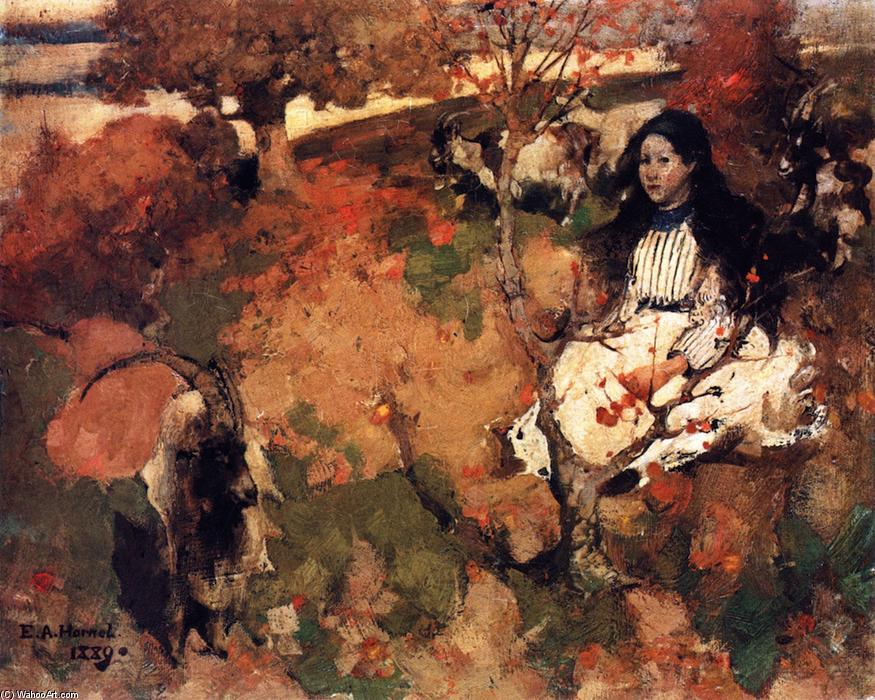
The Goatherd

 Skaityti daugiau
Rankų darbo aliejinės reprodukcijos
Rankiniu būdu tapytas aliejus ant droblio jūsų pageidaujamame dydį ir rėmuose – mūsų menininkų darbas pagal užsakymą. ( Pirkti spaudinį Pirkti vaizdą)




































Pasirinkite iš mūsų nustatytų dydžių, atitinkančių originalaus meno kūrinio proporcijas.

Galite įvesti savo matmenis, kad jie atitiktų konkretų rėmą ar erdvę. Jei pasirinktas dydis neatitinka originalaus paveikslėlio proporcijų, mes arba apkropsime meno kūrinį, arba papildysime tapybą rankomis dažytい elementais. Prieš pradėdami gamybą, jūsų patvirtinimui atsiųsime skaitmeninį maketą.
Atkreipkite dėmesį, kad ekrane rodomas vaizdas neatspindi tikrojo apkarpymo ar papildymo. Tik maketas tiksliai parodys galutinę kompoziciją.
Nors galima rinktis ir individualius dydžius, rekomenduojame pasirinkti matmenis iš nustatytos sąrašo, kad būtų išlaikytos originalios proporcijos.
Gavus užsakymą, OriginalUniqueArt.com komanda susisieks su klientu el. paštu dėl instrukcijų ir pateiks maketo pavyzdį.
Pristatymas visame pasaulyje () per 3–4 savaites, o ne įprastai – per 5 savaites. (21 rugpjūtis). Kokybė lieka nepakeičiama.

Nemokamas greitasis pristatymas visame pasaulyje

Aukštos kokybės lininis drobė

Pilnas siuntimo draudimas

Muitinės mokesčių grąžinimo garantija

Tikro spalvų atitikimo garantija

60 dienų grąžinimo politika (tik esant gamyklinėms defektams)

100% pinigų grąžinimo garantija

Nuolaida už kelias reprodukcijas
 Stiklo variantas prieinamas tik pasirinkus dydį iki 110 cm

The Goatherd
Reprodukcijos technika
Reprodukcijos matmenys
-


Galutinė kaina
$ 300
Autoriaus biografija
The Vibrant Legacy of Edward Atkinson Hornel
Edward Atkinson Hornel stands as a luminous figure in the tapestry of late Victorian and early twentieth-century Scottish art, a painter whose brush captured the delicate intersection of nature and culture. Though his journey began in Bacchus Marsh, Victoria, Australia, his soul was deeply rooted in the rugged beauty of Scotland. Following his family's return to Kirkcudbright in 1866, Hornel’s artistic identity began to coalesce through rigorous formal training at the Edinburgh Art School and later in Antwerp under the guidance of Professor Verlat. This foundational period instilled in him a profound respect for botanical precision and the structural integrity of landscape, elements that would remain central even as his style evolved toward the more experimental and atmospheric.
Upon returning to Scotland in 1885, Hornel found a kindred spirit in George Henry, a partnership that would become a cornerstone of the influential Glasgow Boys movement. Together, they sought to break away from the stale academic traditions of the era, favoring instead a bold, expressive approach to color and texture. Their collaborative masterpiece, “Druids Bringing In The Mistletoe” (1890), serves as a testament to this period of radical experimentation. In this work, Hornel demonstrated an extraordinary mastery over the paint surface itself, utilizing techniques such as layering, scraping, roughening, and staining to create a tactile, rhythmic quality that prioritized emotional resonance and expressive effect over mere photographic accuracy.
The Influence of Japonisme and Aesthetic Refinement
A transformative epoch in Hornel’s career arrived between 1893 and 1894, when he and Henry embarked on a journey to Japan. This immersion into Japanese culture acted as a profound catalyst, reshaping his artistic sensibilities through the lens of Japonisme. The principles of decorative design, flattened spatial arrangements, and the poetic use of negative space found in Japanese prints began to permeate his canvases. His work transitioned from the heavy textures of his earlier years toward a more refined, atmospheric aesthetic characterized by harmonious color palettes and a nuanced approach to drawing.
This period of refinement is beautifully captured in works such as “Japanese Figures in a Garden” (1896) and “Dancing Geisha.” In these paintings, the artist moves beyond simple representation to evoke a sense of serene, fleeting beauty. He masterfully employs soft colors and gentle brushstrokes to depict traditional Japanese attire and tranquil garden settings, creating scenes that feel both intimate and otherworldly. The influence of the East allowed Hornel to blend the lushness of the Scottish landscape with a sophisticated, decorative elegance, making his work uniquely recognizable within the broader Impressionist movement.
A Life Immersed in Art and Heritage
Hornel’s commitment to his craft was matched by his devotion to his home and community. His residence, Broughton House in Kirkcudbright, became more than just a dwelling; it was a sanctuary where architecture and aesthetic passion were inextricably linked. Having remodeled the townhouse in 1901, he lived within a space that reflected his own artistic evolution—a blend of Victorian grandeur and personal, decorative flair. Despite his growing fame, Hornel remained a dedicated member of the Glasgow Art Club, choosing to exhibit there annually rather than seeking the formal validation of the Royal Scottish Academy.
The historical significance of Edward Atkinson Hornel lies in his ability to bridge the gap between traditional landscape painting and the modern, decorative impulses of the early twentieth century. His legacy is defined by several key artistic contributions:
- Textural Innovation: The pioneering use of manipulation techniques like scraping and staining to create expressive, tactile surfaces.
- Cultural Synthesis: The seamless integration of Japanese aesthetic principles—such as spatial arrangement and color harmony—into the Scottish landscape tradition.
- The Glasgow Boys Movement: His role in revitalizing Scottish art by moving away from academic realism toward a more vibrant, impressionistic vision.
- Botanical Sensibility: A lifelong dedication to capturing the intricate beauty of flora and foliage with both scientific detail and poetic grace.
Through his evocative depictions of gardens, flowers, and figures, Hornel left behind a body of work that continues to enchant viewers with its sense of peace, movement, and enduring beauty.

Edward Atkinson Hornel
1864 - 1933 , Australia
Trumpa informacija
- Artistic Movement Or Style: Glasgow Boys
- Artists Or Movements Influenced By This Artist:
- Impressionism
- Japonisme
- Artists Who Influenced This Artist:
- James Hornell
- George Henry
- Date Of Birth: 1864
- Full Name: Edward Atkinson Hornel
- Nationality: Scottish
- Notable Artworks:
- Japanese Figures in a Garden
- Dancing Geisha
- Place Of Birth: Kirkcudbright, Scotland

