
 Peržiūrėti realybėje
 Pasidalinti
 Dalintis
 Išsamiau

 Atsisiųsti
 Panašūs eksponatai
 Rentgeno nuotrauka
 Automatinė diorama
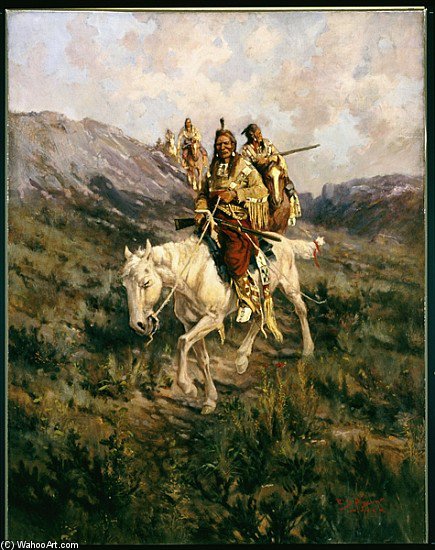
Visit To Another Tribe -
 Skaityti daugiau
Įsigykite aukštos skiriamosios raiškos, patobulintą skaitmeninį vaizdą, gerokai pranašesnį už internetinę peržiūrą.
Kiekvieną failą mūsų specialistai kruopščiai paruošia naudojant pažangias technologijas ir profesionalų rankinį retušavimą. Užtikriname, kad kiekvienas vaizdas pasižymėtų išskirtiniu aiškumu, tikslia spalvų atspalviu ir smulkiomis detalėmis.
Baigiamas failas el. paštu pristatomas per 72 valandas; jis optimizuotas nedelsiant naudojimui profesionalioje, redakcinėje ir spausdinimo aplinkoje. Tai ta pati kokybė, kuria pasitiki aukščiausios klasės dizaino studijos, leidyklos ir galerijos.
Skaitmeninis vaizdas
Atsisiųskite didelės raiškos failą asmeniniam naudojimui, spausdinimui ir kūrybiniams projektams. ( Pirkti spaudinį Pirkti rankomis tapytą paveikslą)
Kiekvieną skaitinio vaizdo užsakymą papildė
Profesionalus skaitmeninis pristatymas, garantuotas
Pasirinkę OriginalUniqueArt.com, jūs ne tik gaunate paveikslėlį – jūs gaunate profesionaliai patobudintą skaitmeninį kūrinį, sukurtą itin tikniai ir užtikrinantį pasitenkinimą. Štai viską, kas automatiškai pritékia jūsų užsakymui:

Greitas siuntimas el. paštu
Jūsų aukštos raiškos skaitmeninis vaizdo failas bus išsiųstas jums el. paštu per 72 valaudas nuo užsakymo – paruoštas naudojimui be jokių papildomų veiksmų.

Skaitmeninis failas su dirbtiniu intelektu
Jūsų meno kūrinys profesionaliai optimizuojamas naudojant pažangius dirbtinio intelekto įrankius ir rankinį redagavimą, užtikrinant maksimalią detalę, aiškumą ir spalvų tikslumą.

Nemokamas visam laikui pakartotinis siuntimas
Atsitiktinai ištrytikote ar praradote savo failą? Nebijokite – bet kuriuo metu atsiųsime jį jums vėl nemokamai.

Jokio importo mokesčio – niekada
Mėgaukitės savo meno kūriniu akimirka – skaitiniai failai visada yra neapmokestinami, todėl nereikės mokėti muitinės, mokesčių ar pristatymo mokesčių.

Spalvų tikslumo garantija
Naudodami profesionalią įrangą ir spalvų valdymo sistemas, užtikriname, kad jūsų skaitmeninis vaizdas kuo tiksliau atspindėtų originalias spalvas.

60 dienų pasitenkinimo garantija
Jei nebuvate patenkinti savo skaitinio vaizdo, per 60 dienų jį pertaisysime arba grąkinsime 100% sumą – be jokių klausimų.

100% pinigų grąžinimo garantija
Nepat 만족inti? Gaukite visą sumokėtą sumą per 60 dienų nuo skaitmeninio failo gavimo – be jokių papildomų klausimų.

Nuolaidos dideliems užsakymams
Pirkti 3 nuotraukas – pasiūla 10% - Pirkti 5 – pasiūla 15% - Pirkti 10 ir daugiau – pasiūla 20%. Puikiai tinka kūrybiniams projektams, galerijoms bei agentūroms.
Autoriaus biografija
A Life Forged on the Frontier: Edgar Samuel Paxson
Edgar Samuel Paxson, a name perhaps less familiar than some of his Western contemporaries, nevertheless carved a unique and compelling niche in American art history. Born in 1852 amidst the rolling farmlands of East Hamburg, New York, to a Quaker family, Paxson’s early life hinted at little of the rugged adventure that would define his later years. Yet, the seeds of his artistic vision were sown during this formative period – tales spun by uncles who had ventured west for the California Gold Rush, stories of encounters with Native American tribes and perilous journeys across vast landscapes, ignited a yearning within him to experience the untamed heart of America firsthand. This desire, coupled with meetings with figures like Kit Carson and Captain Jack Crawford, fueled an irrepressible restlessness that would propel him westward at the age of twenty. His early experiences as a drummer boy during the American Civil War further instilled in him a sense of duty and a fascination with historical events, elements that would later find powerful expression in his art.From Sign Painter to Frontier Chronicler
Paxson’s journey west wasn't one of immediate artistic triumph. Initially, he embraced the practical demands of frontier life, working as a ranch hand, stage driver, and scout – immersing himself completely in the world he would later depict on canvas. Settling in Deer Lodge, Montana, with his wife Laura Millicent and their growing family, Paxson initially earned a living through more conventional means, painting signs and theatrical backdrops for local productions. This period honed his technical skills, providing him with a foundation in color mixing, composition, and the accurate representation of form – all crucial elements that would later elevate his historical paintings. It was during this time that he began to seriously consider capturing the essence of the Old West on canvas, driven by a profound sense of responsibility to document its rapidly vanishing culture and dramatic events. The Spanish-American War in 1898 saw him briefly return to military service, leading Company "G" of the Butte Volunteers to battle in Manila, an experience that undoubtedly broadened his perspective and further fueled his desire to portray scenes of conflict and human resilience.The Shadow of Little Bighorn: A Defining Obsession
Paxson’s artistic legacy is inextricably linked to the Battle of Little Bighorn. He repeatedly emphasized that witnessing accounts of this pivotal event during his westward journey sparked a lifelong obsession with recreating it on canvas. Unlike many artists who approached the subject with romanticized notions or biased perspectives, Paxson embarked on an exhaustive research campaign. For years, he meticulously interviewed participants from both sides – Lakota warriors like Gall and Two Moon, as well as soldiers who had survived the battle. He painstakingly documented their accounts, creating detailed journals filled with observations about weaponry, attire, and the terrain of the battlefield. This dedication to historical accuracy is evident in his monumental painting, *Custer's Last Stand*, a work that stands apart for its attempt at objectivity and its sheer scale – measuring six by ten feet, it immerses viewers in the chaos and drama of the conflict. The painting’s impact was immediate; upon completion, Paxson toured it extensively, charging admission to allow audiences to witness his interpretation of this defining moment in American history.Murals and Legacy: Capturing Montana's Story
Beyond *Custer's Last Stand*, Paxson left an enduring mark on Montana through a series of public murals. Commissioned by the Missoula County government, these works depicted scenes from the Lewis and Clark expedition and early pioneer life, showcasing his ability to capture the spirit of exploration and settlement. Six additional murals for the Montana State Capitol building further solidified his reputation as a chronicler of state history. While often overshadowed by the more commercially successful Charles Marion Russell, Paxson’s work deserves recognition for its meticulous detail, its commitment to historical accuracy, and its unique perspective on the American West. He wasn't merely depicting cowboys and landscapes; he was striving to portray the complex interplay between cultures, the harsh realities of frontier life, and the enduring legacy of a nation forged in conflict and expansion. Edgar Samuel Paxson died in 1919, leaving behind a body of work that continues to offer valuable insights into a pivotal era in American history, reminding us of the importance of documenting—and understanding—the stories of those who shaped our nation's identity.
Edgar Samuel Paxson
1852 - 1919 , United States of America
Trumpai apie šį kūrėją
- Artistic Movement Or Style: Frontier painting
- Artists Who Influenced This Artist:
- Kit Carson
- Captain Jack Crawford
- Date Of Birth: April 25, 1852
- Date Of Death: November 9, 1919
- Full Name: Edgar Samuel Paxson
- Nationality: American
- Notable Artworks:
- Custer's Last Stand
- Surrender of Chief Joseph
- Place Of Birth: Hamburg, United States

