
 Peržiūrėti realybėje
 Pasidalinti
 Dalintis
 Išsamiau

 Atsisiųsti
 Panašūs eksponatai
 Rentgeno nuotrauka
 Automatinė diorama
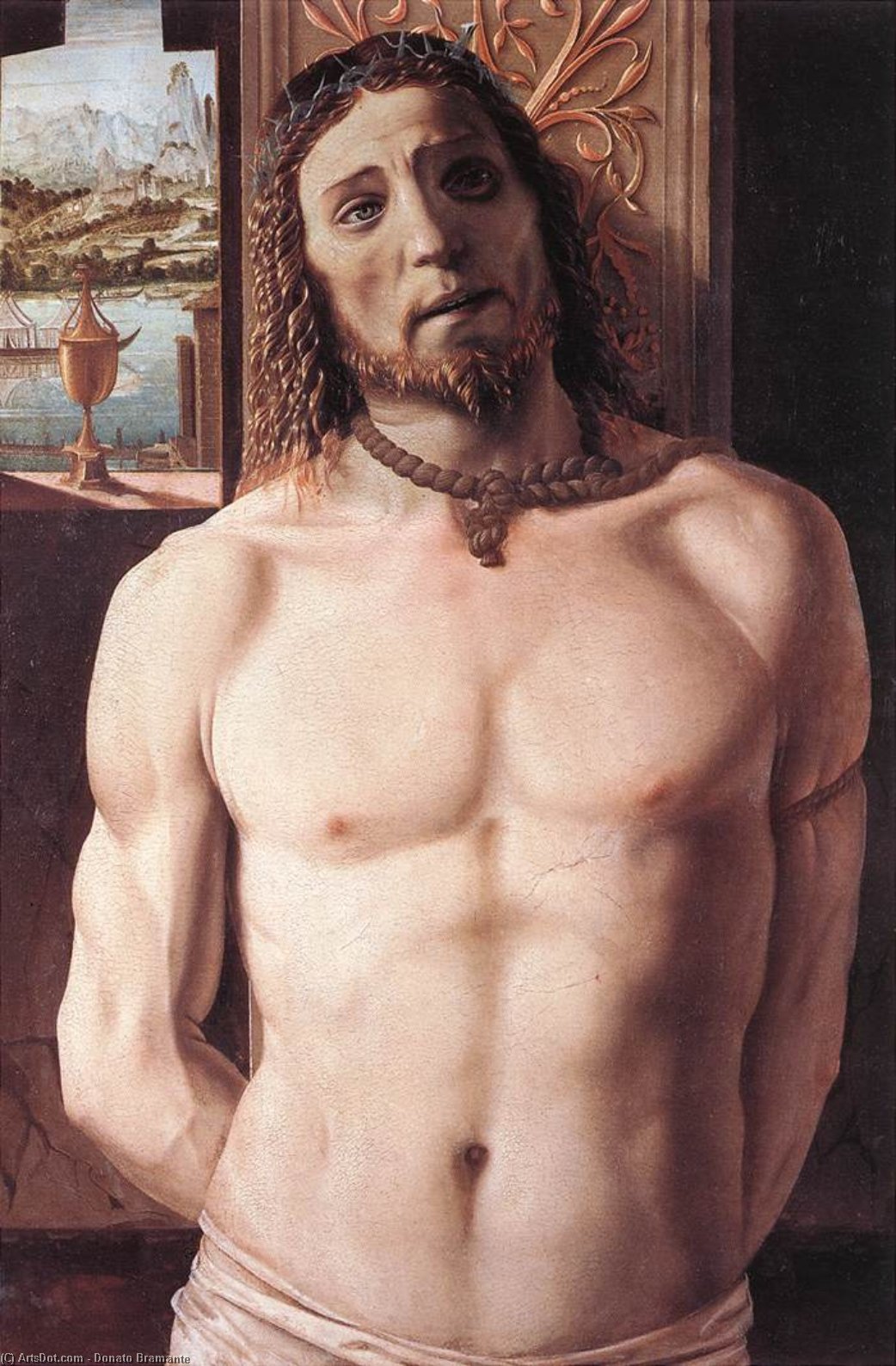
Christ at the Column
 Acrylic On Canvas
- WallArt
 1490
1490 93.0 x 62.0 cm
 Pinacoteca di Brera
 Skaityti daugiau
Įsigykite aukštos skiriamosios raiškos, patobulintą skaitmeninį vaizdą, gerokai pranašesnį už internetinę peržiūrą.
Kiekvieną failą mūsų specialistai kruopščiai paruošia naudojant pažangias technologijas ir profesionalų rankinį retušavimą. Užtikriname, kad kiekvienas vaizdas pasižymėtų išskirtiniu aiškumu, tikslia spalvų atspalviu ir smulkiomis detalėmis.
Baigiamas failas el. paštu pristatomas per 72 valandas; jis optimizuotas nedelsiant naudojimui profesionalioje, redakcinėje ir spausdinimo aplinkoje. Tai ta pati kokybė, kuria pasitiki aukščiausios klasės dizaino studijos, leidyklos ir galerijos.
Skaitmeninis vaizdas
Atsisiųskite didelės raiškos failą asmeniniam naudojimui, spausdinimui ir kūrybiniams projektams. ( Pirkti spaudinį Pirkti rankomis tapytą paveikslą)
Kiekvieną skaitinio vaizdo užsakymą papildė
Profesionalus skaitmeninis pristatymas, garantuotas
Pasirinkę OriginalUniqueArt.com, jūs ne tik gaunate paveikslėlį – jūs gaunate profesionaliai patobudintą skaitmeninį kūrinį, sukurtą itin tikniai ir užtikrinantį pasitenkinimą. Štai viską, kas automatiškai pritékia jūsų užsakymui:

Greitas siuntimas el. paštu
Jūsų aukštos raiškos skaitmeninis vaizdo failas bus išsiųstas jums el. paštu per 72 valaudas nuo užsakymo – paruoštas naudojimui be jokių papildomų veiksmų.

Skaitmeninis failas su dirbtiniu intelektu
Jūsų meno kūrinys profesionaliai optimizuojamas naudojant pažangius dirbtinio intelekto įrankius ir rankinį redagavimą, užtikrinant maksimalią detalę, aiškumą ir spalvų tikslumą.

Nemokamas visam laikui pakartotinis siuntimas
Atsitiktinai ištrytikote ar praradote savo failą? Nebijokite – bet kuriuo metu atsiųsime jį jums vėl nemokamai.

Jokio importo mokesčio – niekada
Mėgaukitės savo meno kūriniu akimirka – skaitiniai failai visada yra neapmokestinami, todėl nereikės mokėti muitinės, mokesčių ar pristatymo mokesčių.

Spalvų tikslumo garantija
Naudodami profesionalią įrangą ir spalvų valdymo sistemas, užtikriname, kad jūsų skaitmeninis vaizdas kuo tiksliau atspindėtų originalias spalvas.

60 dienų pasitenkinimo garantija
Jei nebuvate patenkinti savo skaitinio vaizdo, per 60 dienų jį pertaisysime arba grąkinsime 100% sumą – be jokių klausimų.

100% pinigų grąžinimo garantija
Nepat 만족inti? Gaukite visą sumokėtą sumą per 60 dienų nuo skaitmeninio failo gavimo – be jokių papildomų klausimų.

Nuolaidos dideliems užsakymams
Pirkti 3 nuotraukas – pasiūla 10% - Pirkti 5 – pasiūla 15% - Pirkti 10 ir daugiau – pasiūla 20%. Puikiai tinka kūrybiniams projektams, galerijoms bei agentūroms.
Autoriaus biografija
Petrus Christus: Tiltas tarp Viduramlaikio ir Renesanso
Petrus Christus, vardas, kuris šimtus metus buvo beveik nežinomas, yra esminė figūra pereinamajame laikotarpyje tarp vėlyvojo gotikos ir ankstyvojo Šiaurės Europos renesanso meno. Gimęs apie 1410–1420 m. Baarle, šalia Antverpio, ir veikęs prancūziškame Brižės mieste nuo 1444 m. iki mirties apie 1475–1atus 76 m., Christusa palikimas remiasi ne grandioziniais, revoluciniu veikalais, o tyliu, inovatyviu tapybos požiūriu – tuo, kuris kruopštų detalėmis sujungė pradinį volumą ir perspektyvos pojūtį. Jis atstoko kritinį tiltą tarp itin stilizuotų, iluminuotų viduramžių rankraščio manuskriptų ir pritemiančio natūralizmo renesanso, demonstruodamas nuostabų gebėjimą absorbuoti ir pritaikyti įvairių šaltinių įtakas.
Christus laikai išlieka kiek paslaptingi. Teigiama, jis buvo Jan van Eyck – garsiausio savo laikų paveikslautojo – mokinys, nors tiksli šio santykio pobūdis – ar tai buvo tikras mokinio kelias, ar tiesiog studentas, dirbantis van Eyck darbo krupiuose – vis darな diskutuojamas mokslininkų. Kruopštumas ir tikslumas, matomi Christus kūriniuose, stipriai rodo įtaką van Eyck realizmui, ypač meistriškam alyvos dažų naudojimui. Tačiau, skirtingai nuo van Eyck, kuris dažnai susikoncentruodavo į didelius naratyvus ir religines scenas, Christus greitai išрабоjo išskirtinę stilių, pasižymintį ypatingu dėmesiui tekstūrom ir paviršiams – nuo prabangių klientų aksaninių rūbų iki delikatūs audinio sulindimų. Jo ankstyvieji darbai buvo dideliu mastu užsakomi augančiai Brižės verslininkų klasėje, atspindėdami miesto didėjantį turtą ir tarptautinę prekybą.
Detalijų meistras: Technika ir inovacija
Tai, kas iškart išskiria Christus paveikslus, yra neįtikėtinas detalių lygis. Jis kruopščiai atvaizdavo kiekvieną elementą – kiekvieną siūlį drabučiuose, kiekvieną metalo spindulį, kiekvieną plaukų grupę – su beveik obsesiniu tikslumu. Šis požiūris primena manuskriptų iluminavimo technikas, kuriose sudėtingos detalės buvo būtinos informacijai ir grožio perteikimui. Tačiau, skirtingai nuo plokščio, dekoratyvinio iluminuotų rankraščių stiliaus, Christus savo kruopštumą panaudojo sukūrti trimensio pojūtį – tai buvo lemiamas žingsnis link renesanso natūralizmo. Jis buvo vienas iš pirmųjų menininkų, įtikintiems parodyti volumą ir erdvę dvimensionaliame paviršiuje, taikydamas tokias technikas kaip kruopštus šviesos ir šešėlio stebėjimas bei vis tobulėjančią perspektyvos supratimą.
Christus evoliucija yra ypač įtraukianti, žiūrint per mokslo analizės prizmę. Modernios tyrimai, naudojant rentgeno spindulius, infrasaudą ir dendrochronologinį datavimą, atskleidė palaipsnišką jo technikos evoliuciją. Ankstyvieji darbai rodo priešpiešinius – tai buvo įprasta praktika tuo metu – tačiau vėlesni paveikslai demonstruoja vis tobulėjančią kompozicijos ir perspektyvos priežiūrą. Tai rodo, kad Christus ne tiesiog kopijavo esamus stilius, o aktyviai eksperimentavo su naujais vaizdavimo metodais, plečiant ribas того, kas buvo įmanoma laikantis viduramų tapybos konvencijų.
Įtakos ir globėjimas
Christus meninė kelionė buvo suformuota sudėtingo įtakų sąveikos. Kaip minėta anksčiau, Jan van Eyck neabejotinai playing svarbų vaidmenį jo ankstyvajame vystymėjime. Tačiau jis taip pat įsipūtinė Rogier van der Weyden įkvėpimu – kitais garsiais flamandų paveikslautojais, žinomais dėl savo dramatiškų kompozicijų ir ekspresyvių figūrų. Be to, Christus kūriniai atskleidžia stiprų ryšį su Italijos meno tradicijomis, ypač Antonello da Messina ir kitų buvusiais menininkais Viduržemio jūros regione. Daugelis jo užsakymų buvo vykdomi italių prekybininkų ir bankininkų, kurie užmezgė klestinčius prekybos ryšius su Brižės miestu, todėl paveikslai dažnai turi itališką ar ispanišką kilmę. Šis susidūrimas su itališkuoju menu – jo akcentuojančiu spalvą, šviesą ir natūralizmą – aiškiai paveikė Christus stilių.
Turtingųjų Brižės piliečių, įskaitant Burgundijos kunigaikščius, globėjimas užtikrino Christus nuolatinį užsakymų srautą. Dažni kunigaikščių apsilankymai Brižėje sukūrė gyvingą meno aplinką, pritraukiančią menininkus iš visos Europos. Christus gebėjimas pritaikyti savo stilių atitinkančią klientų skonį – ar tai būtų oficialus portretas, ar intymus religinis vaizdas – demonstruoja jo universalumą ir gebėjimą reaguoti į rinkos poreikius. Jo portretai, ypač, išsiskiria psichologiniu gyliu ir subtiliu asmenybės išraiška.
Palikimas ir atradimas
Po savo mirties šimtmečius Petrus Christus liko largely pamirštas meno istorikų. Jo kūriniai buvo atmetami kaip eklektiški ir derivatyvūs, prislėpti tokių garsių figūrų kaip Jan van Eyck ar Hans Memling. Tačiau XIX amario pabaigoje atsinaujinęs susidomėjimas Šiaurės Renesanso tapyba paskyrė Christus kūrybos pervertinimą. Mokslininkai pradėjo pripažinti jo inovatyvias technikas ir kritinį vaidmenį užpildant prarastąją at렁ą tarp viduramų ir renesanso meno. Šiandien Petrus Christus vis labiau vertinamas kaip vienas svarbiausių ir įtakingiausių ankstyvojo flamandų mokyklos paveikslautojų – meistras, kurio kruopštumas ir subtilūs naujaveniniai pavedėjo kelią būsimųjų kartų meninėms pasiekimams.
Išlikę jo darbai, įskaitant „Kartuziano portretą“, „Jaunos mergaitės portretą“ ir keletą religinių panelės, suteikia įtraukiančią žvalgybę į XV amžiaus Brižės meno pasaulį – miestą, kuris tarnavo kaip gyvybiškas sankryžos taškas tarp Europos ir Viduržemio jūros. Christus palikimas slypi ne didinguose paminkluose, o tylioje jo paveikslų šviesoje, kurie ir toliau užburia žiūrovus savo neįtikėtinu detaliu, subtiliu grožiu ir giliu žmogaus buvimo pojūčiu.

Donatas Bramante
1444 - 1514 , इटalija
Trumpai apie šį kūrėją
- Artistic Movement Or Style: Vėlyvasios flamandų}}
- Artists Or Movements Influenced By This Artist: ['Sandro Botticelli']
- Artists Who Influenced This Artist:
- Jan van Eyck
- Rogier van der Weyden
- Date Of Death: 1475/76
- Full Name: Petrus Christus
- Nationality: Flamandų
- Notable Artworks:
- Kartuziano portretas
- Jaunos mergaitės portretas
- Place Of Birth: Baarle, Belgija

