
 Peržiūrėti realaus dydžio版
 Pasidalinti
 Dalintis
 Išsamiau
 Vadovas

 Atsisiųsti
 Panašūs eksponatai
 Rentgeno spindulių nuotrauka
 Automatinė diorama
 问答
问答 Statistika
Agony in the Garden


 Skaityti daugiau
Giclée / Meno spausdinimas
Muziejų lygio „giclée“ arba drobos spausdinimas: greita gamyba ir lankstios apdailos parinktys. ( Pirkti rankų darbo tapybą Perejti prie skaitmeninių vaizdų)




P118B €10

P118H €10

P118W €10

P438Z €10

P508JH €12

P508YH €12

P805H €10

P805Z €10

P919BZ €10

P919G €10

P919XJ €10

P959ZH €10

P968JZ €12

W106C €8

W218G €10

W218JH €8

W218Y €10

W307PJ €10

W316G €10

W316PJ €8

W316Y €10

W398PJ €8

W4111J €10

W500HY €15

W500JH €15

W692G €12

W849H €8

W940BG €15

W953PJ €8




Pasirinkite iš mūsų nustatytų dydžių, atitinkančių originalaus meno kūrinio proporcijas.

Įveskite jums reikiamą plotį ir aukštį, kad atvaizdas derėtų prie jūsų rėmo ar sienos. Spausdiną galima tik sumažinti, bet nepadidinti virš originalaus paveikslėlio dydžio, todėl keičiant proporcijas, dalis vaizdo prarandama. Prieš spausdinimą atsiųsime jums skaitmeninį maketą patvirtinimui. Šioje puslapio nuotraukoje matomas pjūvis nėra tikslus – jį rodo tik maketas.
Pristatymas visame pasaulyje () per 2 weeks, o ne įprastas 4/5 savaičių laikotarpis. (4 lapkritis)

Nemokamas greitasis pristatymas visame pasaulyje

Aukštos kokybės lininis drobė

Pilnas siuntimo draudimas

Muitinės mokesčių grąžinimo garantija

Tikro spalvų atitikimo garantija

100 dienų grąžinimo politika (tik esant įtaigoms)

100% pinigų grąžinimo garantija

Nuolaida dideliems užsakymams
 Stiklo variantas prieinamas tik pasirinkus dydį iki 110 cm

Agony in the Garden
Giclée / Meno spausdinimas
Reprodukcijos matmenys
-


Bendroji kaina
€ 72
Donatello’s Agony in the Garden: A Renaissance Echo of Sorrow
Giovanni Bellini's "Agony in the Garden," housed within the venerable halls of the National Gallery, London, isn’t merely a depiction of a biblical scene; it’s a profound meditation on faith, doubt, and the weight of human suffering. Painted around 1459-1465 during the High Renaissance, this tempera panel offers a remarkably intimate glimpse into Christ's final hours before his arrest – a moment steeped in both spiritual anguish and impending doom. Bellini masterfully captures the atmosphere of profound sorrow, utilizing a subtle interplay of light, shadow, and meticulously rendered figures to evoke an emotional resonance that continues to captivate viewers centuries later.
The scene unfolds with arresting clarity: Christ, kneeling upon a natural rock formation resembling an altar, is enveloped in prayer. His posture—head bowed, hands raised—conveys a palpable sense of desperation as he wrestles with the knowledge of his impending sacrifice. Around him, his disciples – Peter, James, and John – slumber peacefully, oblivious to the turmoil consuming their master. The backdrop, featuring three distant hill settlements characteristic of Venetian landscapes, grounds the narrative in a recognizable earthly reality while simultaneously elevating it to a realm of spiritual significance. Bellini’s deliberate choice of composition—a carefully orchestrated balance between the divine and the human—is central to the painting's enduring power.
A Masterclass in Renaissance Technique
Bellini’s approach to this challenging subject matter is characterized by a remarkable sensitivity to light and texture. Unlike the more stark, geometrically precise style prevalent at the time, Bellini employs a technique that imbues the scene with an ethereal quality. He utilizes *tempera*, a fast-drying paint mixed with egg yolk, allowing for incredibly fine detail and subtle gradations of color. The layering of thin glazes creates a luminous surface, capturing the play of light on Christ’s garments and the surrounding landscape with breathtaking realism. Notice particularly the meticulous rendering of the tunic—its folds and textures conveying both its weight and the vulnerability of the figure within.
The artist's use of *gesso*, a plaster-like ground applied to the wooden panel, is equally noteworthy. This technique creates a smooth, reflective surface that enhances the vibrancy of the colors and contributes to the painting’s overall sense of depth. Bellini’s skill in manipulating these materials—tempera, gesso, and pigment—demonstrates his mastery of Renaissance artistic techniques and his ability to translate complex emotions onto a two-dimensional surface.
Symbolism and Emotional Resonance
Beyond its technical brilliance, “Agony in the Garden” is rich in symbolic meaning. The rock formation upon which Christ kneels serves as a potent metaphor for both sacrifice and divine grounding. The sleeping disciples represent humanity’s inability to fully comprehend or share in Christ's suffering—a poignant reminder of the limitations of human perception. The dawn light, subtly filtering through the scene, suggests not only the impending arrival of a new day but also the promise of redemption offered through Christ’s sacrifice.
The painting’s emotional impact is profound and enduring. Bellini doesn't simply depict an event; he conveys the *feeling* of anguish—the weight of responsibility, the fear of betrayal, and the acceptance of a predetermined fate. It’s a scene that invites contemplation on themes of faith, mortality, and the human condition. The painting resonates with viewers not just as a historical record but as a timeless expression of universal sorrow and hope.
Historical Context and Legacy
“Agony in the Garden” stands as a pivotal work within Bellini’s oeuvre and a significant example of Renaissance art. It reflects the artistic trends of Venice during this period, characterized by a synthesis of classical influences with a deep appreciation for naturalism and emotional expression. The painting's close relationship to Andrea Mantegna’s version—a work also housed in the National Gallery—highlights the shared artistic lineage and intellectual currents that shaped Renaissance art.
Bellini’s masterful depiction of this pivotal biblical scene has cemented its place as a cornerstone of Western art history. It continues to inspire artists, scholars, and viewers alike, serving as a powerful reminder of the enduring relevance of faith, suffering, and the human spirit. The painting's evocative atmosphere and technical brilliance ensure that “Agony in the Garden” will remain a treasured masterpiece for generations to come.
Klausimai ir atsakymai
Koks reprodukcijos dydis rekomenduojamas kūriniui „Agony in the Garden“ – Donatelis?
Rekomenduojamas spausdinimo dydis kūriniui „Agony in the Garden“ – Donatelis yra Large.
Kokie yra „Agony in the Garden“ reprodukcijos teisės San Lorenzo kolekcijoje?
„Agony in the Garden“ – Donatelis autoriškos teisės statusas yra aiškus: kūrinys priklauso yra viešosios erdvės dalis – jo autorinė teisė pasibaigusi. Jo buvimas San Lorenzo šio statuso nekeičia.
Kur galiu įsigyti „Agony in the Garden“ – Donatelis skaitmeninį vaizdą?
Skaitmeninį „Agony in the Garden“ – Donatelis vaizdą galima įsigyti šio kūrinio Skaitmeninis vaizdas puslapio skiltyje: aukštos raiškos skaitmeninio vaizdo atsisiuntimas.
Autoriaus biografija
ankstyvasis gyvenimas ir karjera
Donato di Niccolò di Betto Bardi, žinomas kaip Donatello, gimė Florencijoje, Italijoje, apie 1386 metus. Studijuodamas klasikiną skulptūrą, jis sukūrė itin stiprų pagrindą savo ankstyvojo renesanso stiliui, kuris vėliau tapo tikruoju florenticinio renesanso ženkliniu bružu. Šis naujas požiūris į meną ir kultūrą suformavo visą tuometinę epochą.pagrindiniai darbai ir inovacijos
Donatello garsiausias kūrinys, Daidas, tapo pirmąoju laisva, nuogą vyrišką skulptūra nuo antikos laikų. Šis Medici šeimos užsakytas šedevras demonstravo neįtikėtiną menininko inovaciją ir techninę meistriškę. Kiti išdayančios dėmesį darbai apima:- Šv. Liudviką iš Tuluzy (šiuo metu saugomą Santa Croce bazilikos muziejuje), kurį puošia Donatello sukurta klasikinė rėmelis.
- Izaako aukojimą, sukurtą Florencijos Santa Maria del Fiore bazilikos varpėdėms, pasižintį iš ryškių portretinių detalių.
- kryžius (1425 m.) Santa Croce bažnyčai, kuriame Kristus yra pavaizduotas agonijos akimirkos metu.
meninis stilius ir palikimas
Donatello kūrybinį kelią galima suskirstyti į platesnes fazes, prasizしたもの iš ekspresivityvės ir klasikinio monumentalumo vystymo. Nors jo darbai bendruomenėje iš pradžių nebuvo iškart priimti, jie vėliau tapo itin populiariai, paveikdami kitas Italijos kurlarını bei visą Europos menininkų bendruomenę. pagrindiniai meno judėjimai:asmeninis gyvenimas ir darbo stilius
Donatello buvo žinomas kaip draugiškas ir gerbiama asmenybė, tačiau jo gebėjimai valdyti karjeros verslo pusę buvo trūdingi. Jis tendencijuodavo priimti daugiau užsakymų, nei galėjo įsipareigoti įvykdyti, dėl čega darbai dažnai vėluodavo arba juos tektų perduoti kiti skulptoriai. pastebimais meniniai darbai ir menininkai:- Leonardo da Vinci: Prisylėdimas (detalė)
- Amico Aspertini: Pano statula / laukinio liūto skulptūra
- Michelangelo Buonarroti: Tondo pitt
muziejai ir meno kolekcijos:
- Museo della Collegiata (Empoli, Italija): paslėpta renesanso perla, kurioje galima rasti Francesco Botticini ir Raffaello Botticini darbus.
- ankstyvojo Italijos renesanso meno judėjimas

Donatelis
1386 - 1466 , इटalija
Trumpa informacija
- Artistic Movement Or Style: Renesansas (ankstyvasis renesansas)
- Artists Or Movements Influenced By This Artist:
- Italijos renesansas
- Ankstyvasis renesansas
- Florentijos renesansas
- Artists Who Influenced This Artist: ['Klasikinė skulptūra']
- Date Of Birth: apie 1386 m.
- Date Of Death: 1466 m.
- Full Name: Donatello di Niccolò
- Nationality: Italijos
- Notable Artworks:
- Davidas
- Tuluozos Šv. Liudvikas
- Isaako aukas
- Kryžius
- Place Of Birth: Firenos miestas, Italija
Susiję straipsniai

Bronze Age to Modern Masters: 10 Sculptures That Redefined Art | OriginalUniqueArt
Journey through art history with 10 legendary bronze sculptures – from Michelangelo's David to Rodin’s Thinker. Explore the stories, techniques & timeless beauty of these masterpieces. Find museum-quality reproductions & elevate your home decor on OriginalUniqueArt.com.

The Enduring Legacy of Bronze: A Historical & Artistic Exploration for the Collector
Explore the rich history & enduring appeal of bronze sculpture with expert insights for collectors at OriginalUniqueArt. Learn about casting techniques, iconic artists, collecting tips & contemporary interpretations.
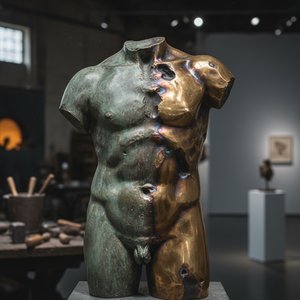
Bronzos skulptūros amžina palikimas: istorija, technikos ir šiuolaikinės interpretacijos
Atraskite bronzos skulptūrų amžiną grožį ir istoriją! Ekspertai apžvelgia prarasto vaško liejimo techniką, sudėtį bei žymiausius kūrinius. Patarimai kolekcionieriams ir meno entuziastams.

Bronze Sculptures That Defined Art History | OriginalUniqueArt
Journey through art history with our Top 10 bronze sculptures! Explore masterpieces by Rodin, Michelangelo & more. Discover stories behind iconic statues and find museum-quality reproductions for your home decor at OriginalUniqueArt.com.

The Enduring Legacy of Bronze: History, Technique & Artistic Expression for the Collector
Explore the rich history & enduring appeal of bronze sculpture with expert insights for collectors at OriginalUniqueArt. Learn about casting techniques, iconic artists, and collecting tips.