Peržiūrėti realaus dydžio版
 Siųsti
 Dalintis
 Išsamiau
 Vadovas

 Atsisiųsti
 Panašūs eksponatai
 Rentgeno spindulių nuotrauka
 Diaporama
 Statistika
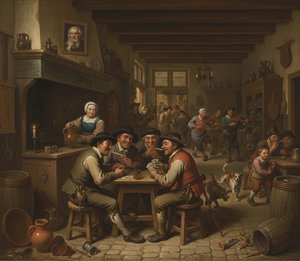
The Kitchen
 Acrylic On Canvas
- WallArt
- Baroque
 1646
1646 171.0 x 237.0 cm
 Hermitage muziejus
 Rodyti daugiau
Rankų darbo aliejinės reprodukcijos
Rankiniu būdu tapytas aliejus ant droblio jūsų pageidaujamame dydį ir rėmuose – mūsų menininkų darbas pagal užsakymą. ( Perjungti į spausdinimą Perejti prie skaitmeninių vaizdų)




P118B €10

P118H €10

P118W €10

P438Z €10

P508JH €12

P508YH €12

P805H €10

P805Z €10

P919BZ €10

P919G €10

P919XJ €10

P959ZH €10

P968JZ €12

W106C €8

W218G €10

W218JH €8

W218Y €10

W307PJ €10

W316G €10

W316PJ €8

W316Y €10

W398PJ €8

W4111J €10

W500HY €15

W500JH €15

W692G €12

W849H €8

W940BG €15

W953PJ €8




Pasirinkite iš mūsų nustatytų dydžių, atitinkančių originalaus meno kūrinio proporcijas.

Įveskite jums reikiamą plotį ir aukštį, kad paveikslas atitiktų jūsų rėmą ar sieną. Kadangi šis darbas yra rankinio darbo, siekiant išgauti kitokio formos dydį, paveikslas gali būti šiek tiek didesnis (nuo kraštų bus palikta daugiau erdvės) arba mažesnis – pasirinkite jums patogiausią variantą. Prieš pradedant tapyti, atsiųsime jums skaitmeninį maketą patvirtinimui. Šioje puslapio nuotraukoje matomas vaizdas nėra galutinis rezultatas – jį parodys tik sukurtas maketas.
Gavus užsakymą, OriginalUniqueArt.com komanda susisieks su klientu el. paštu dėl instrukcijų ir pateiks maketo pavyzdį
Pristatymas visame pasaulyje () per 3–4 savaites, o ne įprastai – per 5 savaites. (25 spalis). Kokybė lieka nepakeičiama.

Nemokamas greitasis pristatymas visame pasaulyje

Aukštos kokybės lininis drobė

Pilnas siuntimo draudimas

Muitinės mokesčių grąžinimo garantija

Tikro spalvų atitikimo garantija

100 dienų grąžinimo politika (tik esant įtaigoms)

100% pinigų grąžinimo garantija

Nuolaida dideliems užsakymams
 Stiklo variantas prieinamas tik pasirinkus dydį iki 110 cm

The Kitchen
Reprodukcijos technika
Reprodukcijos dydis
-


Visų pasirinktų variantų kaina
€ 263
A Snapshot of Everyday Life: David Teniers the Younger’s “The Kitchen”
David Teniers the Younger's "The Kitchen," painted in 1646, isn’t merely a depiction of a domestic scene; it’s a vibrant tableau brimming with life, humor, and an astute observation of Flemish society. This remarkable work transcends simple genre painting, offering a glimpse into the heart of a bustling household—a microcosm reflecting the rhythms and relationships of everyday existence. Measuring 171 x 237 cm, the canvas explodes with activity, populated by thirteen individuals engaged in various tasks within a richly detailed kitchen environment. The sheer number of figures, coupled with their diverse interactions – from children playfully chasing birds to adults tending hearths and tables – immediately draws the viewer into this immersive world.
The painting’s Baroque style is evident in its dynamic composition, dramatic lighting, and meticulous attention to detail. Teniers masterfully employs a technique of *alla prima*, working directly onto the wet canvas without underdrawing, resulting in a sense of immediacy and spontaneity. Notice how he captures the textures of rough-hewn wooden furniture, the glint of metal tools, and the folds of fabric with remarkable precision. The artist’s use of color is equally noteworthy – warm earth tones dominate, punctuated by brighter accents that draw attention to key elements within the scene, such as a vibrant red tablecloth or the gleam of copper pots.
A Window into 17th-Century Flanders
To understand “The Kitchen,” it’s crucial to situate it within its historical context. The painting was created during a period of significant artistic and social change in the Netherlands, following the decline of the High Renaissance and the rise of Baroque styles. David Teniers the Younger emerged as a leading figure in this transition, skillfully blending influences from his father's earlier work with contemporary trends. His subject matter often revolved around scenes of rural life, domestic interiors, and tavern gatherings – themes that resonated deeply with the burgeoning middle class.
The inclusion of numerous animals—a dog, two cats, and a flock of birds—adds another layer of interest to the composition. Animals were frequently depicted in Flemish art, often serving as symbols of fertility, abundance, or domesticity. In “The Kitchen,” they seamlessly integrate into the human drama, contributing to the overall sense of lively chaos. The presence of books suggests an appreciation for learning and intellectual pursuits within the household, while the scattered bottles and bowls hint at a life filled with simple pleasures and convivial gatherings.
Symbolism and Social Commentary
Beyond its immediate visual appeal, “The Kitchen” offers subtle insights into 17th-century Flemish society. The scene’s bustling energy reflects the importance of family and community in this era. The various activities taking place—cooking, eating, cleaning, and socializing—highlighted the central role of the home as a focal point for social interaction. The inclusion of both adults and children underscores the multi-generational nature of Flemish households. Furthermore, the painting’s depiction of everyday life provides a valuable glimpse into the material culture and social customs of the time.
Interestingly, Teniers' career was marked by a remarkable versatility. He served as a court painter, a printmaker, and even a curator for Archduke Leopold Wilhelm, demonstrating a broad range of artistic skills and interests. His ability to capture both the grandeur of formal portraits and the intimacy of genre scenes cemented his reputation as one of the most prolific and influential artists of his generation. “The Kitchen” stands as a testament to this remarkable talent, offering a captivating window into a bygone era.
问答 (or more naturally for a website heading): Klausimai ir atsakymai
Kas sukūrė „The Kitchen“ ir kokia metais?
„The Kitchen“ autorius yra David Teniers the Younger, o kūrinys datuojamas 1646 m.
Kokia pagrindinė spalva dominuoja kūrynije „The Kitchen“, autorius – David Teniers the Younger?
Dominuojantis „The Kitchen“, autorius – David Teniers the Younger spalvos tonas yra Golden Yellow Range. Šis tonas yra pagrindinė paletės spalva.
Ar „The Kitchen“, autorius – David Teniers the Younger yra žinomas kūrinys?
„The Kitchen“ klasifikuojamas kaip Recognized.
Autoriaus biografija
Early Life and Family Background
- Born: Antwerp, then in the Spanish Netherlands, baptised on December 15, 1610.
- David Teniers the Younger came from a family deeply rooted in the artistic tradition of Flanders. His father, David Teniers the Elder, was also a painter, and his younger brothers Juliaan, Theodoor and Abraham all became painters as well.
- Training: He studied under his father from 1626, receiving his foundational training in painting techniques and styles.
- His father was frequently in debt and was at times jailed for it, so the young David made copies of old master paintings to help support the family.
- Antwerp Guild: He became a master of the Antwerp Guild of Saint Luke in 1632–1633 and served as its dean in 1644–1645.
Artistic Development and Influences
- Early Influences: His early work followed his father’s small cabinet paintings and, through him, the example of Adam Elsheimer. Until the end of the 1630s his pictures were very close to those of Adriaen Brouwer in subject matter, technique, colour and composition.
- The Rubens Circle: In 1637 he married Anna Brueghel, daughter of Jan Brueghel the Elder. Peter Paul Rubens, who had been her guardian after her father’s death, was a witness at the wedding, drawing Teniers into the circle of Antwerp’s leading painter.
- Genre Specialization: Teniers gradually specialized in genre painting – depictions of everyday life – becoming renowned for his lively scenes of peasant festivals (kermesses), tavern interiors, and village landscapes.
Major Works and Artistic Style
- Genre Scenes: His most celebrated works are his genre paintings. These often depict bustling scenes of peasant life filled with merriment, dancing, drinking, and games.
- Kermess Paintings: Village feasts such as The Flemish Kermess exemplify his style – vibrant colors, detailed compositions, and a keen observation of human behavior.
- Tavern Interiors: His tavern scenes are particularly notable for their realistic portrayal of everyday life and the lively atmosphere within these establishments.
- Beyond the Village: He also painted landscapes, guardroom scenes, alchemists and physicians at work, and witty singeries in which monkeys act out human affairs.
- Gallery Paintings: His views of the Archduke’s picture gallery, their walls crowded with identifiable masterpieces, made him a leading figure of this distinctly Flemish genre.
Court Painter and Curator
- Service to Archduke Leopold Wilhelm: Around 1650 Teniers moved to Brussels to serve Archduke Leopold Wilhelm, the Governor of the Spanish Netherlands, as court painter and keeper of his art collection.
- Collection Management: He helped the Archduke acquire masterpieces, including paintings from the dispersed English royal collection and the Hamilton collection. The collection grew to some 1,300 works and later formed a foundation of the Kunsthistorisches Museum in Vienna.
- Theatrum Pictorium: Published in Brussels in 1660, it reproduced 246 Italian paintings from the Archduke’s collection in engravings – the first illustrated catalogue of an old master collection.
- Pupils: Gillis van Tilborgh is believed to have trained with him in Brussels and later held the same post of keeper of the court collection.
- Later Life: After Anna’s death he married Isabella de Fren in 1656. He petitioned the king of Spain for a patent of nobility, but gave up when he was told he would have to stop selling his paintings.
- The Antwerp Academy: Teniers was the driving force behind the foundation of the Academy of Fine Arts in Antwerp, obtaining its royal charter in 1663, with the aim of revitalizing Flemish painting after the deaths of Rubens and Van Dyck.
Historical Significance and Legacy
- Leading Genre Painter: David Teniers the Younger is considered the leading Flemish genre painter of his time, capturing the essence of 17th-century life with remarkable skill.
- Influence on Later Artists: His work influenced subsequent generations of Northern European painters and even impacted French Rococo artists like Antoine Watteau.
- Prolific Output: Teniers was an incredibly prolific artist, producing a vast body of work that continues to be admired for its charm, detail, and historical insight.
- Death: He died in Brussels on April 25, 1690, leaving behind a lasting legacy as one of Flanders’ most important Baroque painters.
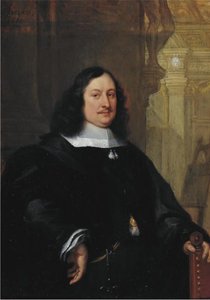
David Teniers the Younger
1610 - 1690 , Belgium
Trumpa informacija apie kūrėją
- Name: David Teniers the Younger
- Movement: Baroque
- Birth Date: 1610
- Death Date: 1690
- Birth Place: Antwerp, Belgium
- Nationality: Flemish
- Date Of Birth: 1610
- Date Of Death: 1690
- Influenced By: Adriaen Brouwer, Adam Elsheimer, Peter Paul Rubens
- Notable Works:
- Two Drunkards
- Village Scene
- Kitchen Scene
- Flemish Kermess
- Place Of Birth: Antwerp, Belgium
- Place Of Death: Brussels, Belgium
Susiję straipsniai
Jacob Jordaens: Baroque Dynamism & Genre Innovation of the Antwerp School
Discover Jacob Jordaens, a leading Flemish Baroque painter renowned for his dynamic compositions & realistic genre scenes. Explore his life, art, and lasting influence with OriginalUniqueArt.
David Teniers the Younger: Genre Painting & Social Commentary in Baroque Flanders
Explore the captivating world of David Teniers the Younger, a leading Flemish Baroque painter. Discover his genre scenes, social commentary, and lasting influence on 17th-century art. Learn about his life, techniques & legacy.
David Teniers II: Master of Flemish Genre & Social Commentary
Explore the captivating world of David Teniers II, a leading Flemish Baroque painter renowned for his lively genre scenes & insightful social commentary. Discover his masterpieces and legacy with OriginalUniqueArt.

The Visceral Stage: Exploring Dramatic Narratives & Emotional Intensity in Baroque Art
Explore the dramatic world of Baroque art! Discover iconic masters like Caravaggio & Rembrandt, their techniques, and the movement's lasting impact. Expert insights for collectors & enthusiasts at OriginalUniqueArt.

Mastering Drama and Light: A Definitive Guide to the Flemish Baroque Art Movement
Explore the dramatic brilliance of the Flemish Baroque movement. Discover how masters like Peter Paul Rubens utilized chiaroscuro and dynamic composition to redefine art history through light, shadow, and unparalleled emotion.