

 Peržiūrėti realaus dydžio版
 Siųsti
 Dalintis
 Išsamiau
 Vadovas

 Atsisiųsti
 Panašūs eksponatai
 Rentgeno spindulių nuotrauka
 Diaporama
 Statistika
The Wyndcliff, River Wye


 Rodyti daugiau
Rankų darbo aliejinės reprodukcijos
Rankiniu būdu tapytas aliejus ant droblio jūsų pageidaujamame dydį ir rėmuose – mūsų menininkų darbas pagal užsakymą. ( Perjungti į spausdinimą Perejti prie skaitmeninių vaizdų)




P118B €10

P118H €10

P118W €10

P438Z €10

P508JH €12

P508YH €12

P805H €10

P805Z €10

P919BZ €10

P919G €10

P919XJ €10

P959ZH €10

P968JZ €12

W106C €8

W218G €10

W218JH €8

W218Y €10

W307PJ €10

W316G €10

W316PJ €8

W316Y €10

W398PJ €8

W4111J €10

W500HY €15

W500JH €15

W692G €12

W849H €8

W940BG €15

W953PJ €8




Pasirinkite iš mūsų nustatytų dydžių, atitinkančių originalaus meno kūrinio proporcijas.

Įveskite jums reikiamą plotį ir aukštį, kad paveikslas atitiktų jūsų rėmą ar sieną. Kadangi šis darbas yra rankinio darbo, siekiant išgauti kitokio formos dydį, paveikslas gali būti šiek tiek didesnis (nuo kraštų bus palikta daugiau erdvės) arba mažesnis – pasirinkite jums patogiausią variantą. Prieš pradedant tapyti, atsiųsime jums skaitmeninį maketą patvirtinimui. Šioje puslapio nuotraukoje matomas vaizdas nėra galutinis rezultatas – jį parodys tik sukurtas maketas.
Gavus užsakymą, OriginalUniqueArt.com komanda susisieks su klientu el. paštu dėl instrukcijų ir pateiks maketo pavyzdį
Pristatymas visame pasaulyje () per 3–4 savaites, o ne įprastai – per 5 savaites. (25 spalis). Kokybė lieka nepakeičiama.

Nemokamas greitasis pristatymas visame pasaulyje

Aukštos kokybės lininis drobė

Pilnas siuntimo draudimas

Muitinės mokesčių grąžinimo garantija

Tikro spalvų atitikimo garantija

100 dienų grąžinimo politika (tik esant įtaigoms)

100% pinigų grąžinimo garantija

Nuolaida dideliems užsakymams
 Stiklo variantas prieinamas tik pasirinkus dydį iki 110 cm

The Wyndcliff, River Wye
Reprodukcijos technika
Reprodukcijos dydis
-


Visų pasirinktų variantų kaina
€ 263
A Romantic Vision of the Welsh Wilds
In the heart of the nineteenth century, as the Industrial Revolution began to reshape the landscape of Great Britain, the artist David Cox sought refuge in the untamed majesty of the natural world. His 1842 masterpiece, The Wyndcliff, River Wye, stands as a profound testament to the Romantic movement, capturing a moment where the soul of the landscape meets the sublime. This oil painting does not merely document a geographical location in South Wales; it invites the viewer into a deeply emotional encounter with the grandeur of the Wye Valley. Through his masterful lens, the river valley becomes more than just earth and water—it becomes a sanctuary of peace and a theater of light.
The composition is anchored by a commanding presence on the left, where a towering oak tree reaches toward the heavens, acting as a sentinel over the sprawling vista. This structural element guides the eye with grace across the undulating terrain toward a distant, hazy horizon, creating an immense sense of scale. Within this vastness, Cox places small, intimate figures near the water's edge, their presence serving to emphasize the overwhelming magnitude of the cliffs and sky. It is a delicate balance between the human spirit and the infinite power of nature, a hallmark of the Romantic era’s fascination with the awe-inspiring.
Mastery of Light and Atmospheric Depth
Technically, The Wyndcliff, River Wye is a triumph of light manipulation and textural expression. Cox was a virtuoso of atmospheric perspective, utilizing subtle shifts in color and clarity to pull the viewer deep into the painting’s recesses. The way the distant hills soften into a blue-grey mist creates an illusion of infinite space, making the canvas feel as though it breathes with the damp, cool air of the Welsh countryside. The artist employs a dramatic chiaroscuro effect, where strong, directional light pierces through unseen clouds to illuminate patches of foliage and the shimmering surface of the river, while casting deep, velvety shadows across the rugged ground.
The brushwork itself is remarkably expressive, eschewing rigid precision for a more spontaneous, tactile quality. One can almost feel the movement of the wind through the leaves and the steady flow of the current, as Cox’s visible strokes contribute to a sense of immediacy and life. For the discerning collector or interior designer, this texture provides a rich, organic element that brings a dynamic energy to any space. The interplay between the smooth, reflective water and the rough, weathered bark of the ancient trees creates a sensory experience that transcends the flat surface of the canvas.
A Timeless Sanctuary for the Modern Interior
Beyond its technical brilliance, this artwork offers a profound symbolic resonance. In an age often characterized by noise and rapid change, The Wyndcliff, River Wye serves as a window into a world of tranquility and solitude. The river valley symbolizes a retreat from the complexities of urban existence, offering a meditative space for contemplation. It speaks to the eternal human desire to reconnect with the earth and to find stillness amidst the vastness of the universe.
For those looking to curate an environment of sophistication and calm, a high-quality reproduction of this work provides an unparalleled focal point. Its earthy tones, dramatic lighting, and sweeping vistas harmonize beautifully with both classical and contemporary decor, adding a layer of historical depth and emotional warmth to a room. To hang this painting is to invite the enduring spirit of the Welsh landscape into one's home, fostering an atmosphere of quiet strength and breathtaking beauty.
问答 (or more naturally for a website heading): Klausimai ir atsakymai
Kaip kūrinys „The Wyndcliff, River Wye“ dera su Deividas Koksas temomis ir stiliumi?
„The Wyndcliff, River Wye“ priklauso Deividas Koksas Romanticism kūrybai, kurios įrašytoms temoms priskiriamas romantic landscape, turner's atmospheric effects, pre-raphaelite detail, nature's majesty", human connection, solitude & reflection, early romantic style.
Kokiam istoriniam laikotarpiui priklauso „The Wyndcliff, River Wye“, autorius – Deividas Koksas?
Istorinis laikotarpis kūriniam „The Wyndcliff, River Wye“, autorius – Deividas Koksas yra 19th Century. Ši klasifikacija priskiria šį kūrinį konkrečiam meno istorijos etapui.
Kokie kiti Deividas Koksas vardai yra žinomi?
Deividas Koksas taip pat žinomas (a) pavadinimais Deividas Koksas Jaunesnis, David Cox.
Autoriaus biografija
Deividas Koks: Gyvenimas Peizažo Tapyboje
Deividas Koks (1783–1859) – iškili anglų peizažisto figūra, kurio vardas dažnai minimas kartu su ankstyvųjų impresionistų pradininkais. Jo tapybos kelias, prasidėjęs nuo detalių akvarelių, vėliau perėjo į ekspresyvius aliejinių paveikslų pasaulius, kuriuose atsispindi britų kaimo grožis ir subtilios atmosferos kaitos. Koks ne tik puikiai valdė techniką, bet ir turėjo ypatingą gebėjimą perteikti šviesos ir oro poveikį gamtai, todėl jo darbai iki šiol žavi žiūrovus visame pasaulyje.
Ankstyvieji Metai Ir Ugdymas
- Gimė: 1783 m. balandžio 29 d., Deritende, Birmingeme, Jungtinėje Karalystėje.
- Deivido Kokso tėvas buvo juodys ir metaldirbys, tiekdavęs detales į Birmingemo ginklų pramonę. Jo motina, kilusi iš ūkininkų šeimos, pasižymėjo aukštu išsilavinimu ir stipriu charakteriu.
- Pradėjęs mokytis Joseph Barber akademijoje Great Charles Street gatvėje, Koks susipažino su bendraamžiais Charles Barber ir William Radclyffe.
- Sulaukęs 15 metų, Koks tapo Albert Fielder mokinys, Birmingemo dailininko, specializavusioся portretinėse miniatiūrose ir dekoratyviniuose paveiksluose ant įvairių daiktų, pavyzdžiui, tabatierių. Šis ankstyvas mokymasis suteikė jam pagrindinius meno įgūdžius.
Karierinis Kelias Ir Kūrybinė Raida
- 1804 metais Koks persikėlė į Londoną ir vedė savo namų šeimininko dukterį Mary Ragg.
- Lemtinga kelionė į Velso salą 1805 metais su Charles Barber atžymėjo daugelio eskizų turų pradžią viso jo gyvenimo metu. Šios kelionės turėjo didelę įtakos jo kūrybiniam stiliui.
- Koks reguliariai eksponavo savo darbus Karališkojoje Akademijoje nuo 1805 metų, iš pradžių užsidirbdamas pragyvenimui kaip piešimo mokytojas. Pulkininkas Hon. H. Windsor tapo vienu pirmųjų jo mokinių 1808 metais.
- Kokso ankstyvieji darbai buvo sutelkti į detalius akvarelinius peizažus, dažnai vaizduojančius kaimiškas scenas ir architektūrinius objektus.
Kūrybinis Stilius Ir Įtakos
- Kokso stilius kito bėgant laikui. Jis perėjo nuo tikslių topografinių vaizdavimų prie ekspresyvesnio ir atmosferiškesnio požiūrio.
- Įtakos: Nors konkretūs įtaka šaltiniai yra diskutuotini, jo darbai rodo artimumą su XVII amžiaus olandų peizažistais ir aštrų gamtos stebėjimą, primenantį Constable.
- Jis tapo žinomas dėl laisvos teptuko technikos, ryškių spalvų ir gebėjimo užfiksuoti šviesos ir oro poveikį. Jo vėlesni aliejiniai paveikslai buvo ypač novatoriški.
Pagrindiniai Pasiekimai Ir Palikimas
- Koks sukūrė daugiau nei 300 aliejinių paveikslų savo karjeros pabaigoje, kurie dabar pripažįstami kaip „vienas didžiausių, bet mažiausiai įvertintų anglų dailininko pasiekimų“.
- Jis laikomas vienu iš didžiausių anglų peizažistų ir pagrindine Aukso amžiaus anglų akvarelės figūra.
- Jo darbai turėjo reikšmingos įtakos vėlesnėms kartoms peizažo tapytojų.
- Žymiausi Darbai: Vėjas Ant Pelkės, Kaimelio Vaizdas Herefordshire, Severno Ir Vajo Santaka Netoli Chepstow ir Mėnulio Šviesos Peizažas yra tarp jo garsiausių paveikslų.
Istorinė Reikšmė
- Deividas Koks pripažįstamas kaip ankstyvas impresionizmo pradininkas. Jo pabrėžimas užfiksuoti trumpalaikius atmosferos efektus ir laisva teptuko technika numatė daugelį technikų, vėliau perimtų impresionistų.
- Jis suvaidino lemiamą vaidmenį įtvirtinant britų peizažo tapybą kaip atskirą žanrą, pereinant nuo grybų topografinių vaizdavimų prie ekspresyvesnių ir emocionalesnių gamtos interpretacijų.
- Jo darbai iki šiol vertinami dėl grožio, jautrumo ir nuolatinio patrauklumo.
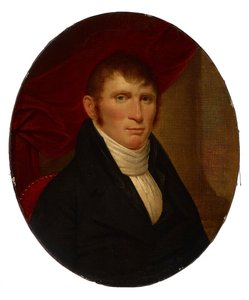
Deividas Koksas
1783 - 1859 , Jungtinė Karalystė
Trumpa informacija apie kūrėją
- Gimimo Data: 1783 m. balandžio 29 d.
- Gimimo Vieta: Birmingamas, Jungtinė Karalystė
- Meninis Stilius: Angliškas peizažas
- Mirties Data: 1859 m.
- Pilietybė: Britų
- Pilnas Vardas: Deividas Koksas
- Žymiausi Darbai:
- Vėjas ant kalno
- Kaimo trobelė Herefordshire'e
- Severno ir Vajaus santaka
- Mėnulio kraštovaizdis
Susiję straipsniai

Evoking Nature's Sublime: A Comprehensive Exploration of 19th-Century Landscape Painting
Explore the captivating world of 19th-century landscape painting! Discover renowned artists like Friedrich & Monet, key movements, and find the perfect artwork to bring nature's serenity into your home. Expert insights at OriginalUniqueArt.

The Sublime and the Picturesque: Exploring Emotion & Nature in Romantic Landscape Painting
Explore the emotional power of Romantic landscape painting! Discover the sublime & picturesque traditions, key artists like Friedrich & Cole, and find your perfect artwork at OriginalUniqueArt.

10 Romantinių Peizažų Simbolių: Tapybos Majestatės Viršūnės
Atraskite 10 legendinių romantinio peizažo kūrinių! Pasinerkite į Claude Lorrain, Caspar David Friedrich ir J.M.W. Turner genijaus pasaulį. Išmokite apie tapybos meistriškumą bei gamtos grožį. Aukščiausios kokybės meno reprodukcijos – OriginalUniqueArt.com. Tyrinėkite kolekciją!

Džono Konsteblio Šedevrai: 25 Išskirtiniai Darbai Jūsų Interjerui | OriginalUniqueArt
Atraskite 25 įspūdingiausius Džono Konsteblio paveikslus! Romantizmo meistro gamtos vaizdai, Dedham Vale peizažai ir meno istorijos šedevrai. Meno reprodukcijos jūsų interjerui – OriginalUniqueArt.com

David Cox the Elder: Landscape, Light & the Romantic Vision of Rural England
Explore the captivating landscapes of David Cox the Elder, a pivotal figure in British Romanticism. Discover his masterful watercolour techniques, enduring legacy & find timeless art for your home at OriginalUniqueArt.