

 Peržiūrėti realaus dydžio版
 Siųsti
 Dalintis
 Išsamiau
 Vadovas

 Atsisiųsti
 Panašūs eksponatai
 Rentgeno spindulių nuotrauka
 Diaporama
 Statistika
Cuenca
 Oil On Canvas
- WallArt
- Cubist Landscape
 1934
1934- Modern
 32.0 x 40.0 cm
 Walker Art Gallery
 Rodyti daugiau
Šiame puslapyje rodomas meno kūrinys yra saugomas autorių teisių įstatymais, todėl neturime teisės legaliai kurti ar parduoti jo identiškos reprodukcijos. Ši apsauga užtikrinama remiantis tokiais tarptautiniais susitarimais kaip Bernės konvencija ir pagal nacionalines įstatymų nuostatas, įskaitant tas, kurias nurodo JAV autoriškos teisės įstatymas – 17-asis skyrius.
Kaip pagarbią ir teisėtą alternatyvą, mes siūlome pagal užsakymą rankomis dažytus paveikslus, įkvėptus originalo. Mūsų įgudę ir profesionalūs menininkai kruopščiai tiria originalo stilių, nuotaiką ir meninę esmę, kad sukurtų naują, unikalią kūrinį, kuris sukelia tą paties jausmą – išlikdamas tuo tarciau originaliu, savarankišku kūrybiniu darbu.
Šis metodas visiškai atitinka autorių teises, nes jame nėra kūrinio kopijavimo ar dubliavimo. Tai yra kūrybinė reinterpretacija – naujas paveikslas, kurį įkvėpė originalas, tačiau kuris nėra jo identiškas.
Rankų darbo aliejinės reprodukcijos
Rankiniu būdu tapytas aliejus ant droblio jūsų pageidaujamame dydį ir rėmuose – mūsų menininkų darbas pagal užsakymą. ( Perjungti į spausdinimą Perejti prie skaitmeninių vaizdų)




P118B €10

P118H €10

P118W €10

P438Z €10

P508JH €12

P508YH €12

P805H €10

P805Z €10

P919BZ €10

P919G €10

P919XJ €10

P959ZH €10

P968JZ €12

W106C €8

W218G €10

W218JH €8

W218Y €10

W307PJ €10

W316G €10

W316PJ €8

W316Y €10

W398PJ €8

W4111J €10

W500HY €15

W500JH €15

W692G €12

W849H €8

W940BG €15

W953PJ €8




Pasirinkite iš mūsų nustatytų dydžių, atitinkančių originalaus meno kūrinio proporcijas.

Įveskite jums reikiamą plotį ir aukštį, kad paveikslas atitiktų jūsų rėmą ar sieną. Kadangi šis darbas yra rankinio darbo, siekiant išgauti kitokio formos dydį, paveikslas gali būti šiek tiek didesnis (nuo kraštų bus palikta daugiau erdvės) arba mažesnis – pasirinkite jums patogiausią variantą. Prieš pradedant tapyti, atsiųsime jums skaitmeninį maketą patvirtinimui. Šioje puslapio nuotraukoje matomas vaizdas nėra galutinis rezultatas – jį parodys tik sukurtas maketas.
Gavus užsakymą, OriginalUniqueArt.com komanda susisieks su klientu el. paštu dėl instrukcijų ir pateiks maketo pavyzdį
Pristatymas visame pasaulyje () per 3–4 savaites, o ne įprastai – per 5 savaites. (18 spalis). Kokybė lieka nepakeičiama.

Nemokamas greitasis pristatymas visame pasaulyje

Aukštos kokybės lininis drobė

Pilnas siuntimo draudimas

Muitinės mokesčių grąžinimo garantija

Tikro spalvų atitikimo garantija

100 dienų grąžinimo politika (tik esant įtaigoms)

100% pinigų grąžinimo garantija

Nuolaida dideliems užsakymams
 Stiklo variantas prieinamas tik pasirinkus dydį iki 110 cm

Cuenca
Reprodukcijos technika
Reprodukcijos dydis
-


Visų pasirinktų variantų kaina
€ 261
A Mountain Reverie: The Soul of Cuenca
In his 1934 masterpiece, Cuenca, David Bomberg invites the viewer into a profound meditation on solitude and the enduring resilience of life amidst the overwhelming grandeur of nature. This oil on canvas transcends a mere topographical record of a Spanish hillside; it is an evocative window into a landscape where human presence and geological majesty exist in a delicate, poetic tension. The painting captures a panoramic view of a town nestled precariously yet harmoniously upon a rugged slope, where humble dwellings are scattered like quiet thoughts across the vast, undulating terrain. Through his masterful command of the medium, Bomberg distills the essence of this mountainous vista, offering an experience that is as much about emotional depth as it is about visual splendor.
The composition is anchored by a sense of monumental scale, with towering mountains dominating the horizon and creating a backdrop of immense power. In the foreground, trees punctuate the view, providing essential textural contrast and guiding the eye into the expansive scene. The sky, draped in soft, cloudy layers, lends an atmospheric weight to the work, suggesting the shifting moods of a mountain climate. This deliberate framing creates a captivating dialogue between the intimacy of the human settlement and the infinite scale of the natural world, fostering a contemplative space where themes of permanence and vulnerability intertwine.
Technique and the Language of Form
Rooted in the transformative principles of Modernism, Cuenca showcases Bomberg’s sophisticated engagement with the legacies of Cubism and the structural insights of Cézanne. The artist employs a technique that prioritizes geometric simplification and multiple perspectives to sculpt spatial depth within the landscape. Rather than relying on rigid outlines, he utilizes loose, expressive brushstrokes that capture the very dynamism of the mountain air, imbuing the scene with a palpable sense of movement and life. This fluid application of paint allows the forms of the mountains and buildings to emerge organically from the canvas.
The color palette is masterfully restrained, leaning toward muted, earthy tones—predominantly rich browns and deep greens—that reflect the subdued, soulful hues characteristic of an autumnal landscape. Bomberg’s skillful use of tonal gradations allows him to define mass and volume, creating a sense of "the artist's consciousness of mass." This approach ensures that every element, from the smallest stone structure to the most distant peak, possesses a physical presence that feels both grounded and ethereal. For the discerning collector or interior designer, this work offers a sophisticated interplay of texture and tone, making it a timeless addition to any curated space.
Historical Resonance and Emotional Impact
To understand Cuenca is to understand a pivotal moment in Bomberg’s artistic evolution. Created during a period when the artist was moving away from the radical, fractured geometries of his earlier Cubo-Futurist years, this work represents a return to an aesthetic rooted in nature and organic form. The trauma of the First World War and the subsequent shift toward a more figurative, landscape-driven style are palpable here; there is a search for the sublime within the natural world that replaces the mechanical fervor of his youth. The painting reflects a period of profound transition, where the artist sought to realize the poetry found in mankind's contemplation of nature.
The emotional impact of the piece lies in its ability to evoke a sense of quiet awe. It is a work that speaks to the heart of anyone moved by the beauty of the untamed world and the quiet strength of those who inhabit it. Whether viewed as a study of light and shadow or as a symbolic representation of human endurance, Cuenca remains a visually arresting composition. For those seeking to bring a sense of historical depth and tranquil majesty into their surroundings, this reproduction serves as a powerful testament to Bomberg’s ability to capture the very breath of the landscape.
问答 (or more naturally for a website heading): Klausimai ir atsakymai
Iš ko sukurta „Cuenca"]?
„Cuenca“, autorius – Davidas Bombergas technika – Oil On Canvas. Kopijos siekia atkartoti šios technikos vaizdą.
Ar galiu pamatyti „Cuenca“, autorius – Davidas Bombergas skirtingame apšvietime?
„Cuenca“, autorius – Davidas Bombergas rentginio vaizdas (X-Ray) galima rasti puslapio Rentgenas puslapėje: tai interaktyvus vaizdo tyrimas per vienuolika optinių sluoksnių.
Ar Davidas Bombergas, „Cuenca“ kūrijas, žinomas에도 kitais vardais?
Davidas Bombergas taip pat žinomas (žinoma) kaip David Garshen Bomberg.
Autoriaus biografija
Pradiniai metai ir meninė mokslėsis
- Gimė: Birminghamas, Jungtinė Karalystė (1890 m. gruodžio 5 d.)
- Mirė: Londonas, Jungtinė Karalystė (1957 m. rug 아니라ją 19 d.)
- vienas iš „Whitechapel Boys“ – XX amžiaus pradいない grupės menininkų, iškilusių East End하게.
Gimęs lietuviškų kilmių, lenkų žydų imigrantų Abrahamo ir Rebekos Bomberg šeidoje, jis pirmiausia studijavo City and Guilds techninėje menų mokykloje, o vėliau Birminghame mokėsi litografui.
Westminster meno mokykloje (1908–1910 m.) jis studijavo su Walteriu Sickertu, kurį paveikė šio meistro dėmesys formai ir miesto gyvenimo ditempui. Didelę įtaką padarė ir susipažinimas su Pauliu Cézanne'u per 1910 m. Rogerio Fry eksponavimą „Manet ir postimpresionistai“.로 Įgavo patirties Slade meno mokykloje (1911 m.), kur pelnė Tonks apdovanojimą už savo piešinį bendrakimui studentui Isaacui Rosenbergui.
Avangardiniai metai: Kubizmas, futurizmas ir kontroversijos
- Slade mokykloje Bombergas buvo neįtikėtinos kartos dalis, įskaitant Marką Gertlerį, Stanley'į Spencerį, C.R.W. Nevinsoną ir Dorą Carrington.
- Jį paveikė 1912 m. Londone vykstantys Italijos futuristų parodai bei antroji Fry postimpresionistų paroda (Picasso, Matisse, Fauvists, Wyndham Lewis).
- Jis sukūrė išskirtinę stilių, sujungiantį kubizmą ir futurizmą – pasižymintį geometrinėmis kompozicijomis, ribota spalvų paleta, kampais aršios figūros ir tinklo struktūros.
- Jo radikalias požiūris 1913 m. pasižymėjo pašalinimu iš Slade meno mokyklos, nes jo metodai buvo laikyti per drastiškais tradicinei mokyklos būdui.
- Trumpam buvo susijęs su Bloomsbury grupės „Omega Workshops“ ir dalyvavo parodose su Camden Town grupėmis. Rodė ryšį su Wyndham Lewis vertizmo judėjimu, tačiau išliko nepriklausomas, atsisakydamas pilno įtraukimo.
Nuo karo iki peizažo: stiliaus transformacija
Pirmas karo patirtys pasaulinio karo I metu giliai pakeitė jo meninę viziją, paskatindami atsisakyti abstrakcijos.
20-metmetį Bombergas pradėjo taikyti figūratyvinį stilių, susitelkdamas į portretus ir peizažus, tiesiog iš gamtos išgriebintus. Jis sukūrė vis stiprisingą ekspresionistinę techniką, pasižymintį tekstūrinį impasto sluoksnį ir emocinį intensyvumą.
Ilgos kelionės per Artusias Vedas (ypač Palestiną) ir Europą reikšmingai paveikė jo vėlesnę kūrybą. Jo vaizdiniai Jeruzalės yra itin išskirtiniai.
Vėlesnie metai ir palikimas
- Nuo 1945 m. iki 1953 m. jis mokė Borough Polytechnic (dabar London South Bank University), įkvėpdamas visą menininkų kartą, įskaitant Franką Auerbach, Leoną Kossoff, Philipą Holmes, Cliffą Holden, Edną Mann, Dorothy Mead, Gustavą Metzger, Dennis Creffield, Cecil Bailey ir Miles Richmond.
- Susituokė su peizažų paveikslėtoja Lilian Holt.
- Nepaisant laikot periodų, kai jo kūryba buvo lygiai nepastebima, paskutinėmis dešimtmečiais Bombergo darbai sulaukė didelio pripažinimo kaip svarbus indėlis į britų moderniojo meno istoriją.
- London South Bank University pavadino David Bomberg House vardu, skirtą jo menui pagerbti.
- Jo palikimas slypi unikaliame Europos avangardinių judėjimų sinteze ir vėlesniame galingame, ekspresyvinio peizažo stiliaus sukūrime, kuris įtrapė vietos esmę ir žmogaus patirtį.

Davidas Bombergas
1890 - 1957 , Jungtinė Karalystė
Trumpa informacija apie kūrėją
- Gimimo Data: 1890 m. gruodžio 5 d.
- Gimimo Vieta: Birminghamas, Jungtinė Karalystė
- Meningai, Kurie Paveikė Šį Artistą:
- Paulius Cézanne'as
- Walteris Sickertas
- Wyndhamas Lewisas
- Menų Kryptis Ar Stilius:
- Kubizmas
- Futurizmas
- Ekspresionizmas
- Mirties Data: 1957 m. rugpjūčio 19 d.
- Tautybė: Britų
- Vardas, Pavardė: David Garshen Bomberg
- Šį Artistą Įkvėlusios Menų Kryptys Arba Menininkai:
- Frankas Auerbachas
- Leonas Kossoffas
- Žinomos Kūriniai:
- Savivarta (1937)
- Kitty, šio meno šalininko sesuo (1929)
- Eksperimentas paveikslui
- Jeruzalė
Susiję straipsniai

David Cox the Elder: Landscape, Light & the Romantic Vision of Rural England
Explore the captivating landscapes of David Cox the Elder, a pivotal figure in British Romanticism. Discover his masterful watercolour techniques, enduring legacy & find timeless art for your home at OriginalUniqueArt.

Evocations of Place: A Historical Journey Through Landscape Art
Explore the rich history of landscape art with OriginalUniqueArt. Discover renowned artists, movements like Impressionism & Romanticism, and expert guidance for collecting timeless pieces. Find your perfect serene escape today!

Džono Konsteblio Šedevrai: 25 Išskirtiniai Darbai Jūsų Interjerui | OriginalUniqueArt
Atraskite 25 įspūdingiausius Džono Konsteblio paveikslus! Romantizmo meistro gamtos vaizdai, Dedham Vale peizažai ir meno istorijos šedevrai. Meno reprodukcijos jūsų interjerui – OriginalUniqueArt.com
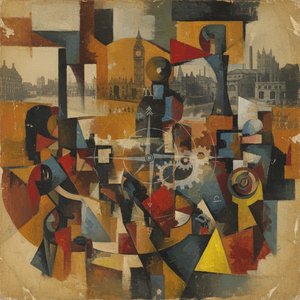
David Bomberg: Reassessing the Pioneering Spirit of Early British Abstraction
Explore the groundbreaking work of David Bomberg, a pivotal figure in British abstraction. Discover his artistic evolution, influences, and lasting legacy through insightful analysis & expert commentary.

10 Romantinių Peizažų Simbolių: Tapybos Majestatės Viršūnės
Atraskite 10 legendinių romantinio peizažo kūrinių! Pasinerkite į Claude Lorrain, Caspar David Friedrich ir J.M.W. Turner genijaus pasaulį. Išmokite apie tapybos meistriškumą bei gamtos grožį. Aukščiausios kokybės meno reprodukcijos – OriginalUniqueArt.com. Tyrinėkite kolekciją!

