Perjungti į spausdinamus版作品
 Skaityti daugiau







































 Dėl meno kūrinių ar reprodukcijų, kurių bet kuri pusė yra didesnė nei 105 cm (apie 41 inch), rėmas bus siunčiamas kaip išskaidytas surinkimo rinkinys. Šis metodas užtikrina saugų pristatymą ir apsaugo nuo transportavimo metu galimos žalos.


Introduction
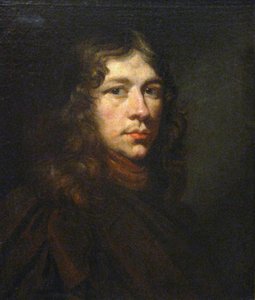
Daniel II Schultz was a German painter who lived in the 17th century. He is known for his portraits and historical paintings, which often depict important figures from Polish history. One of his most famous works is the painting 'Johannes Hevelius, Astronomer', which is part of the collection of the National Museum in Warsaw, Poland.The Artist
Daniel II Schultz was born in Elbląg, Poland, in 1615. He received his artistic education in Danzig (now Gdańsk) and later traveled to Italy, where he studied the works of Italian masters. In 1648, he returned to Poland and settled in Warsaw, where he became a court painter for King John II Casimir Vasa. Schultz's style is characterized by his use of bright colors and his ability to capture the personality of his subjects.The Painting
Johannes Hevelius, Astronomer is a portrait of Johannes Hevelius, a Polish astronomer who lived in the 17th century. The painting depicts Hevelius holding a celestial globe and looking up at the stars. It is a testament to Hevelius's contributions to astronomy and his passion for the night sky. The painting is an oil on canvas and measures 125 x 97 cm. It is part of the collection of the National Museum in Warsaw, Poland, which has over 800,000 works of art, including paintings, sculptures, and decorative arts. The museum's collection includes works by many famous artists, such as Rembrandt, Leonardo da Vinci, and Raphael.The Significance of the Painting
Johannes Hevelius, Astronomer is an important work of art because it highlights the contributions of Johannes Hevelius to astronomy. Hevelius was a pioneer in the field of observational astronomy and made many important discoveries, including the discovery of several galaxies and the observation of the phases of Venus. The painting is also significant because it shows the importance of science and learning in 17th-century Poland. During this time, Poland was a center of scientific and cultural activity, and many Polish scientists and scholars made important contributions to their fields.Conclusion
Johannes Hevelius, Astronomer is a beautiful and significant work of art that highlights the contributions of Johannes Hevelius to astronomy and the importance of science and learning in 17th-century Poland. The painting is part of the collection of the National Museum in Warsaw, Poland, which has over 800,000 works of art, including paintings, sculptures, and decorative arts. If you are interested in purchasing a hand-made oil painting reproduction of Johannes Hevelius, Astronomer, please visit our website at- Sources:
- Painting by 'Daniel Ii Schultz' | Daniel Ii Schultz:Johannes Hevelius, Astronomer (Muzeum Narodowe (Warsaw, Poland),Oil On Canvas,)
- Painting by 'Daniel Ii Schultz' | Daniel Ii Schultz:King John Casimir II in Polish Costume (Muzeum Narodowe (Warsaw, Poland),Oil On Canvas,)
- Daniel Schultz - Wikipedia
- Painting by 'Olga Bozna Ska' | Olga Bozna Ska:Girl in the Garden (Muzeum Narodowe w Warszawie (Warsaw, Poland),Oil On Panel,)
- Painting by 'Olga Bozna Ska' | Olga Bozna Ska:The Interior (Muzeum Narodowe w Warszawie (Warsaw, Poland),Oil On Panel,)
- Jerzy Gelbard |
- Art Movements 2/2
Klausimai ir atsakymai
Kur galiu peržiūrėti „Johannes Hevelius, Astronomer“ išsamiai?
„Johannes Hevelius, Astronomer“ Peržiūra interjere puslapio funkcija leidžia peržiūrėti kūrinį prieš užsakant.
Kaip kontrastas ir harmonija susilieja kūryboje „Johannes Hevelius, Astronomer“?
„Johannes Hevelius, Astronomer“ – Daniel II Schultz spalvų kompozicijoje Bold kontrastas susilieja su Softly Mixed Palette harmonija.
Ar „Johannes Hevelius, Astronomer“ bendroje apimatyje yra labiau šviesus ar tamsus kūrinys?
„Johannes Hevelius, Astronomer“ bendroji ryškumas yra deep_shadow, o švytėjimas – Dark.
 Peržiūrėti realaus dydžio版
 Pasidalinti
 Dalintis
 Išsamiau
 Vadovas

 Atsisiųsti
 Panašūs eksponatai
 Rentgeno spindulių nuotrauka
 Automatinė diorama
 Q&A
Q&A Statistika