
 Peržiūrėti realaus dydžio版
 Pasidalinti
 Dalintis
 Išsamiau
 Vadovas

 Atsisiųsti
 Panašūs eksponatai
 Rentgeno spindulių nuotrauka
 Automatinė diorama
 问答
问答 Statistika
Medalionas


 Skaityti daugiau
Šiame puslapyje rodomas meno kūrinys yra saugomas autorių teisių įstatymais, todėl neturime teisės legaliai kurti ar parduoti jo identiškos reprodukcijos. Ši apsauga užtikrinama remiantis tokiais tarptautiniais susitarimais kaip Bernės konvencija ir pagal nacionalines įstatymų nuostatas, įskaitant tas, kurias nurodo JAV autoriškos teisės įstatymas – 17-asis skyrius.
Šis metodas visiškai atitinka autorių teises, nes jame nėra saugomo kūrinio kopijavimo ar dubliavimo. Tai yra kūrybinė reinterpretacija – naujas paveikslas, kurį įkvėpė originalas, tačiau kuris nėra jo identiškas.
Giclée / Meno spausdinimas
Muziejų lygio „giclée“ arba drobos spausdinimas: greita gamyba ir lankstios apdailos parinktys. ( Pirkti rankų darbo tapybą Perejti prie skaitmeninių vaizdų)




P118B €10

P118H €10

P118W €10

P438Z €10

P508JH €12

P508YH €12

P805H €10

P805Z €10

P919BZ €10

P919G €10

P919XJ €10

P959ZH €10

P968JZ €12

W106C €8

W218G €10

W218JH €8

W218Y €10

W307PJ €10

W316G €10

W316PJ €8

W316Y €10

W398PJ €8

W4111J €10

W500HY €15

W500JH €15

W692G €12

W849H €8

W940BG €15

W953PJ €8




Pasirinkite iš mūsų nustatytų dydžių, atitinkančių originalaus meno kūrinio proporcijas.

Įveskite jums reikiamą plotį ir aukštį, kad atvaizdas derėtų prie jūsų rėmo ar sienos. Spausdiną galima tik sumažinti, bet nepadidinti virš originalaus paveikslėlio dydžio, todėl keičiant proporcijas, dalis vaizdo prarandama. Prieš spausdinimą atsiųsime jums skaitmeninį maketą patvirtinimui. Šioje puslapio nuotraukoje matomas pjūvis nėra tikslus – jį rodo tik maketas.
Pristatymas visame pasaulyje () per 2 weeks, o ne įprastas 4/5 savaičių laikotarpis. (15 lapkritis)

Nemokamas greitasis pristatymas visame pasaulyje

Aukštos kokybės lininis drobė

Pilnas siuntimo draudimas

Muitinės mokesčių grąžinimo garantija

Tikro spalvų atitikimo garantija

100 dienų grąžinimo politika (tik esant įtaigoms)

100% pinigų grąžinimo garantija

Nuolaida dideliems užsakymams
 Stiklo variantas prieinamas tik pasirinkus dydį iki 110 cm

Medalionas
Giclée / Meno spausdinimas
Reprodukcijos matmenys
-


Bendroji kaina
€ 72
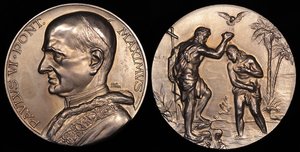
Kostantino Afferio „Medalha“ – Šiuolaikinės Medalių Menos Simbolas
Kostantino Afferio kūrinis „Medalha“ yra įdomus objektas tiek istorijai, tiek estetikai. Štai kaip šį meno objektą galima aprašyti: Štai ką žinome apie šį darbą. Kostantino Afferio „Medalha“ buvo sukurtas 1956 metais Žiemos Olympiadoms rengiantis Italijoje. Štai vienas iš svarbiausių aspektų, kuriuos reikia įvertinti renkantis meno objektą: jis yra puikus simbolas šiuolaikinės medalių meno tradicijai. Štai kaip šį darbą galima aprašyti iš istorinės perspektyvos. Žiemos Olympiados buvo pirmą kartą rengiamasi Stokholme 1956 metais, todėl šis medalio objektas yra labai svarbus istorijai ir kultūrai. Štai ką žinome apie kūrinį iš meno estetikos pusės. „Medalha“ yra pagaminta iš žalvario ir turi aukštą reljefą, kuris puikiai įvykdė savo funkciją – parodyti Žiemos Olympiadų simbolius. Štai kaip šiuolaikiniai dizaineriai gali naudoti šį meno objektą savo projektuose: „Medalha“ yra puikus dekoratyvinis elementas interjero įrengimui, kuris suteikia jo darbui aukštą estetinį vertę. Žali vario spalva simbolizuoja švietimą ir žiemą, todėl šiuolaikiniai dizaineriai gali naudoti šį meno objektą savo projektuose, kuriuose siekiama įsikelti žiemos atmosferą į gyvenamosią vietą. Štai ką žinome apie kūrinio techniką: Kostantino Afferio „Medalha“ buvo pagaminta naudojant aukštą reljefą ir detalų išgraviruotį – šiuolaikinės medalių meno meistrai naudojosi šia technika jau daugiau kaip 50 metų. Štai ką žinome apie kūrinio emocinį poveikį: „Medalha“ yra įkvepiančių spalvų objektas, kuris gali suteikti žiūrovui emocinę šypseną ir prisiminti istoriją Žiemos Olympiadoms rengiantis Italijoje. Štai kaip šiuolaikiniai kolekcionieriai gali įvertinti šį meno objektą: Kostantino Afferio „Medalha“ yra puikus investicija į kultūrą ir meno istoriją, kuriuos galima įvykdyti renkantis aukštos kokybės reprodukciją. Štai kaip šiuolaikinės galerijos gali prezentuoti šį kūrinį savo svečiams: Kostantino Afferio „Medalha“ yra puikus objektas kultūros edukacijoje ir meno istorijos mokymui, kuriuos galima įvykdyti rengiant ekspozycijas Žiemos Olympiadoms rengiantis Italijoje.Klausimai ir atsakymai
Ar yra panašių darbų kaip „Medalionas“?
Puslapio Panašūs kūriniai skiltyje, skirtoje kūriniam darbui „Medalionas“ – Costantino Affer, pateikiami panašūs meno kūriniai.
Kas yra „Medalionas“ kūrybos autorius?
Kūrinį „Medalionas“ sukūrė Costantino Affer. Darbas katalogizuojamas Costantino Affer vardu.
Ar „Medalionas“ kūrijas Costantino Affer žinomas에도 kitais vardais?
Costantino Affer taip pat žinomas (a) pavadinimais Affer.
Autoriaus biografija
The Master of Miniature and Metal
Born in Milan, Italy, Costantino Affer carved a unique niche within the fine arts through his profound dedication to the disciplines of medallic art and miniaturism. His artistic journey began at the prestigious Scuola di Brera in Milan, an institution now recognized as the Accademia di Belle Arti di Brera, where he immersed himself in the rigorous study of fine arts. During these formative years, Affer developed a deep fascination with the intricate worlds of engraving and sculpture, honing a technical precision that would later define his professional legacy. While many artists sought the expansive canvas, Affer found his voice in the minute, mastering the ability to convey profound emotion and historical weight within the smallest of boundaries.
Affer’s career began to gain public recognition around 1940, as he started exhibiting his works to a growing audience. However, it was in the era following the end of World War II that his true mastery of medallic art flourished. In the early 1950s, he transitioned his focus toward the creation of commemorative pieces, eventually serving as the artistic director for Lorioli Fratelli, a Milan-based company renowned for its specialized production of medals. Under his visionary leadership, the company’s repertoire expanded beyond traditional coinage to include intricate busts and reliefs designed for public buildings, reflecting Affer's ability to scale his meticulous detail from the palm of a hand to the architectural grandeur of civic spaces.
A Legacy in Bronze and Symbolism
The work of Costantino Affer is characterized by a sophisticated interplay between realism and stylized representation. One of his most poignant achievements was his commission in 1955 to design the official medals for the 1956 Winter Olympics held in Cortina d'Ampezzo. These pieces, such as his bronze work titled "Medalha," serve as enduring emblems of Italy's participation in the games and a celebration of athletic excellence. Through techniques such as repoussé—a painstaking process of hammering metal from the reverse to create raised relief—Affer was able to capture breathtaking details, from the subtle contours of a beard to the glint of spectacles, imbuing cold metal with a sense of living history.
Beyond the Olympics, Affer’s talent for capturing significant figures and moments is evident in his diverse body of work, which includes commemorative pieces such as those honoring Pope John XXIII. His ability to distill complex historical narratives into striking visual forms allowed him to create objects that were not merely decorations, but profound symbols of achievement and spirituality. Today, the works of this Milanese master continue to reside in various museums and private collections, standing as a testament to a life dedicated to the delicate, enduring beauty of the miniature.
Costantino Affer
1906 - 1987 , Italy
Trumpa informacija
- Artistic Movement Or Style: Medallic art and miniaturism
- Full Name: Costantino Affer
- Nationality: Italian
- Notable Artworks:
- Medalha
- 1956 Winter Olympics medals
- Pope John XXIII Medal
- Place Of Birth: Milan, Italy
- Date Of Birth: 1906
- Date Of Death: 1987
Susiję straipsniai

25 Masterpieces by Amedeo Modigliani: The Soul of Modern Portraiture
Immerse yourself in the haunting beauty of Amedeo Modigliani. Explore 25 iconic masterpieces, from his soulful portraits to expressive nudes. Find inspiration for your decor with museum-quality art reproductions. Discover all masterpieces on OriginalUniqueArt.com.

25 Masterpieces by Amedeo Modigliani: The Soul of Modern Portraiture
Immerse yourself in the haunting beauty of Amedeo Modigliani. Explore 25 iconic masterpieces, from his soulful portraits to expressive nudes. Find inspiration for your collection with museum-quality art reproductions and curated decor ideas. Discover all masterpieces on OriginalUniqueArt.com.

Paul Cézanne: 25 Šedevrai, Keičiantys Meno Pasaulį | OriginalUniqueArt.lt
Atraskite 25 Paul Cézanno šedevrus! Išsami analizė, istorijos ir įkvėpimas interjero dekorui. Modernus menas, impresionizmas, natiurmortai – viskas OriginalUniqueArt.com. Explore the full collection online!

Amedeo Modigliani: Top 25 Šedevrai – Išskirtinė Meno Kolekcija Jūsų Interjerui
Atraskite 25 įspūdingiausius Amedeo Modigliani šedevrus! Portretai, aktų tapyba, unikalus stilius. Meno istorija ir interjero dekoravimo idėjos su OriginalUniqueArt.com – aukštos kokybės reprodukcijos jūsų namams. Explore the full collection online!

25 Masterpieces by Amedeo Modigliani: The Soul of Modern Portraiture
Explore 25 iconic Modigliani masterpieces and their soulful stories. Discover the full collection online at OriginalUniqueArt.com.
