Perjungti į spausdinamus版作品
 Skaityti daugiau







































 Dėl meno kūrinių ar reprodukcijų, kurių bet kuri pusė yra didesnė nei 105 cm (apie 41 inch), rėmas bus siunčiamas kaip išskaidytas surinkimo rinkinys. Šis metodas užtikrina saugų pristatymą ir apsaugo nuo transportavimo metu galimos žalos.


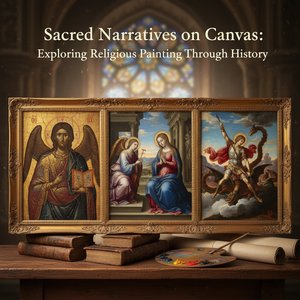
The Divine Encounter: An Exploration of Cosmè Tura's Annunciation
To stand before an image like Cosmè Tura’s Annunciation is to step across the threshold of time and into a moment suspended by divine grace. This masterpiece, dating from 1469, captures the pivotal instant when the Archangel Gabriel announces to the Virgin Mary that she will conceive Christ. It is not merely a depiction of a biblical event; it is an exquisitely orchestrated meditation on humility meeting the sublime. The composition itself draws the viewer into its sacred geometry, guiding the eye through the richly decorated space toward the central figures locked in this profound exchange.
Mastery of Early Renaissance Detail and Setting
Tura’s handling of setting is remarkable. The scene unfolds within a grand architectural framework, suggested by the imposing archway and classical columns that lend an air of monumental permanence to the sacred event. This attention to detailed environment speaks to the burgeoning interest in classical antiquity permeating the Early Renaissance. Observe the meticulous placement of every element: the gentle curve of the lute held by one figure, the serene posture of the others, and even the inclusion of delicate birds flitting through the composition. These details are not incidental; they enrich the narrative tapestry, grounding the miraculous within a tangible, albeit heavenly, reality.
Symbolism Woven into Sacred Form
Every element in this painting whispers with symbolic meaning. The presence of multiple angels—some standing sentinel, others perhaps kneeling in reverence—serves to amplify the gravity and universal significance of the message being delivered. Symbolically, the Annunciation itself represents the Incarnation, the moment God entered human history. The inclusion of natural elements, such as the birds, often alludes to the soul or the spirit, while the overall harmony achieved by Tura suggests divine order prevailing over earthly chaos. It is a visual sermon rendered in pigment and piety.
Technique and Emotional Resonance for the Modern Collector
The technical brilliance of Cosmè Tura shines through in his delicate application of paint, characteristic of the Ferrarese school. While the subject matter is deeply theological, the emotional impact is profoundly human. The interaction between the two central women conveys a mixture of awe, contemplation, and quiet acceptance. For those who appreciate art that speaks to both intellect and the soul—whether for adorning a grand hall or serving as a focal point in a private sanctuary—this piece offers unparalleled depth. Owning a reproduction allows one to connect intimately with this period of artistic awakening, bringing home not just an image, but a palpable echo of Renaissance devotion.
Klausimai ir atsakymai
Kokia spausdinimo konfigūracija rekomenduojama kūriniui „Annunciation“ – Kosmė Tura?
Large dydis, Portrait orientacija: tai rekomenduojamas spausdinimo nustatymas kūriniui „Annunciation“ – Kosmė Tura.
Kokia bendra „Annunciation“ – Kosmė Tura nuotauda?
Bendrąją „Annunciation“ – Kosmė Tura nuotaiką apibrėžia Ethereal. Ši nuotaika atspindi bendrą kūrinio atmosferą.
Ar galiu užsisakyti „Annunciation“ aliejinę reprodukciją?
Rankumų reprodukciją kūrinio „Annunciation“ – Kosmė Tura galite užsakyti tiesiogiai jo Rankų darbo aliejinis reprodukcija puslapyje: rankomis dažyta aliejaus reprodukcija ant lininio drobos, gaminama pagal užsakymą.
 Peržiūrėti realaus dydžio版
 Pasidalinti
 Dalintis
 Išsamiau
 Vadovas

 Atsisiųsti
 Panašūs eksponatai
 Rentgeno spindulių nuotrauka
 Automatinė diorama
 Q&A
Q&A Statistika