

 Peržiūrėti realybėje
 Pasidalinti
 Dalintis
 Išsamiau

 Atsisiųsti
 Panašūs eksponatai
 Rentgeno nuotrauka
 Automatinė diorama
The pedlar

 Skaityti daugiau
Giclée / Meno spausdinimas
Muziejų lygio „giclée“ arba drobos spausdinimas: greita gamyba ir lankstios apdailos parinktys. ( Pirkti rankomis tapytą paveikslą Pirkti vaizdą)




P118B $10

P118H $10

P118W $10

P438Z $10

P508JH $12

P508YH $12

P805H $10

P805Z $10

P919BZ $10

P919G $10

P919XJ $10

P959ZH $10

P968JZ $12

W106C $8

W218G $10

W218JH $8

W218Y $10

W307PJ $10

W316G $10

W316PJ $8

W316Y $10

W398PJ $8

W4111J $10

W500HY $15

W500JH $15

W692G $12

W849H $8

W940BG $15

W953PJ $8




Pasirinkite iš mūsų nustatytų dydžių, atitinkančių originalaus meno kūrinio proporcijas.

Galite nurodyti savo matmenis, kad vaizdas atitiktų konkretų rėmą ar erdvę. Jei pasirinktas dydis nesutaps su originalaus paveikslėlio proporcijomis, mes arba apkirpsime kūrinį, arba išplėsime vaizdą naudojant veideliu atspindėtą arba vientisą šoną. Skaitmeninis maketas bus išsiųstas jums patvirtinti prieš pradedant gamybą.
Atkreipkite dėmesį, kad ekrane matomas vaizdinys neatspindi tikrojo apkirpimo ar išplėtimo. Tik maketas tiksliai parodytų galutinę kompoziciją.
Nors galima rinktis ir individualius dydžius, rekomenduojame pasirinkti vieną iš išanksti nustatytų matmenų, kad būtų išlaikytos originalios proporcijos.
Pristatymas visame pasaulyje () per 2 weeks, o ne įprastas 4/5 savaičių laikotarpis. (27 rugpjūtis)

Nemokamas greitasis pristatymas visame pasaulyje

Aukštos kokybės lininis drobė

Pilnas siuntimo draudimas

Muitinės mokesčių grąžinimo garantija

Tikro spalvų atitikimo garantija

60 dienų grąžinimo politika (tik esant gamyklinėms defektams)

100% pinigų grąžinimo garantija

Nuolaida už kelias reprodukcijas
 Stiklo variantas prieinamas tik pasirinkus dydį iki 110 cm

The pedlar
Giclée / Meno spausdinimas
Reprodukcijos matmenys
-


Galutinė kaina
$ 80
Autoriaus biografija
Cornelis Dusart: A Window into Dutch Everyday Life
Cornelis Dusart (1660-1704) stands as a fascinating figure within the Haarlem School of painting, offering viewers a glimpse into the vibrant tapestry of 17th-century Dutch society. Unlike many artists of his era focused on grand historical narratives or mythological subjects, Dusart dedicated himself to capturing the commonplace – itinerant peddlers haggling in bustling marketplaces and intimate scenes unfolding within taverns. This deliberate choice reveals a profound interest in portraying the realities of daily life, reflecting a humanist sensibility that was gaining momentum during the Golden Age. His artistic training began under the tutelage of Rembrandt Harmenszoon van Rijn, arguably the most influential painter of his time, cementing Dusart’s connection to the stylistic innovations emerging from Leiden and Amsterdam. Rembrandt's emphasis on dramatic lighting and psychological realism undoubtedly shaped Dusart’s approach, fostering a meticulous attention to detail that distinguishes his oeuvre. However, Dusart developed a unique style—characterized by soft brushstrokes and subtle tonal gradations—that subtly diverged from Rembrandt’s bolder palette. This distinctive technique allowed him to convey atmosphere and emotion with remarkable sensitivity. Dusart's prolific output spanned numerous commissions, primarily focusing on genre scenes. He skillfully rendered the textures of fabrics, the expressions of faces, and the nuances of light and shadow, creating images that feel remarkably authentic. Consider “The Street Seller,” a captivating depiction of a peddler engaging in trade—the artist’s meticulous observation captures not only the physical appearance of the scene but also the palpable energy of the marketplace. Similarly, "The Quack" portrays a physician examining a patient with quiet dignity and precision, highlighting Dusart's ability to convey psychological depth within seemingly simple compositions. Furthermore, Dusart’s work exemplifies the burgeoning fascination with realism that permeated Dutch art circles during his lifetime. He wasn’t merely documenting what he saw; he was striving to evoke feeling and understanding in the viewer. This ambition aligns perfectly with the broader cultural context of the period—a time marked by intellectual curiosity and a desire to represent human experience accurately. Dusart's contribution to Haarlem School painting is significant not only for its stylistic merits but also for its enduring portrayal of ordinary life, securing his place as an artist who captured the spirit of his era with remarkable artistry.- Notable Commissions: Dusart undertook numerous commissions for wealthy patrons and civic institutions, showcasing his versatility and artistic skill.
- Influences: Rembrandt van Rijn’s masterful use of light and psychological realism profoundly impacted Dusart's artistic development.
- Technique: Dusart employed soft brushstrokes and tonal gradations to create atmospheric paintings imbued with emotion and subtlety.
Major Achievements & Legacy
Dusart’s enduring legacy resides in his ability to distill the essence of everyday life into powerfully evocative images. His genre scenes continue to resonate with audiences today, offering insights into the social customs and psychological complexities of 17th-century Holland. While Dusart may not command the same level of fame as Rembrandt or Vermeer, his meticulous style and humanist vision solidify his position as a pivotal artist within the Haarlem School—a testament to the transformative power of observing and representing the human condition with unwavering dedication.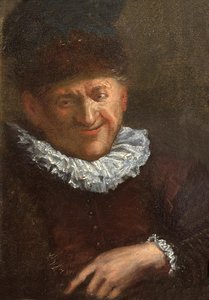
cornelis dusart
1660 - 1704 , Netherlands
Trumpa informacija
- Artistic Movement Or Style: Haarlem School
- Artists Or Movements Influenced By This Artist: ['Baroque']
- Artists Who Influenced This Artist: ['Johannes Vermeer']
- Date Of Birth: 1660
- Full Name: Cornelis Dusart
- Nationality: Dutch
- Notable Artworks:
- The Street Seller
- The Quack
- Place Of Birth: Haarlem, Netherlands
Susiję straipsniai

Golden Light & Dutch Skies: The Timeless Magic of Dutch Golden Age Landscapes
Discover the breathtaking beauty of Dutch Golden Age landscapes. Explore the mastery of light, chiaroscuro, and 17th-century realism through an expert art history lens, celebrating the enduring legacy of the Dutch Masters for discerning collectors and art lovers.

Olandijos Aukso Amžius: 10 Šedevrų, Apibrėžiančių Meną ir Stilių
Atraskite Olandijos Aukso Amži\u017us meninius šedevrus! 10 legendin\u017iŴ paveikslžiai – Rembrandto, Vermeerio ir kt. darbai. Sužnkitę j\u016ungo namus aukso amži\u017us grožiu! Āukrai, interjero dizainas – viskas OriginalUniqueArt.com. Ižirkite kolekciją internete!

Mastering Light & Shadow: A Journey Through the Dutch Golden Age's Luminous Legacy
Embark on a cultural journey through the Dutch Golden Age. Explore the masterful interplay of light and shadow in 17th-century masterpieces, from Rembrandt to Vermeer, and discover how this era of profound realism continues to inspire fine art collectors today.

Golden Age Reflections: Dutch Baroque Painting & Cultural Innovation
Explore the Dutch Golden Age of painting! Discover key artists like Vermeer & ter Borch, their innovative techniques, and the rich cultural context behind these Baroque masterpieces. Learn about collecting & appreciating this iconic art period.

Illuminating Innovation: Exploring the Dutch Golden Age of Painting
Explore the Dutch Golden Age of painting with OriginalUniqueArt. Discover Rembrandt, Vermeer & other Masters. Learn about key characteristics, iconic artworks, and lasting influence. Expert insights for collectors & enthusiasts.

