Impressionism · 1883
Cobeas (Claude Monet, 1883)
Claude Monet (1840–1926) sukūrė Cobeas. Šis kūrinys datuojamas 1883 m. Šis kūrinys priklaulo Impressionism kieruliui. Pagaminta naudojant Oil On Canvas.
- 1883
- Oil On Canvas

 Peržiūrėti realaus dydžio版

 Rankinio darbo aliejinės imitacijos paveikslas
 Pasidalinti
 Dalintis
 Informacinė l lapelė


 Atsisiųsti
 Panašūs eksponatai
 Rentgeno spindulių nuotrauka
 Automatinė diorama
 问答

 Statistika
Cobeas, trumpai
- Pavadinimas
- Cobeas
- Autorius
- Claude Monet (1840–1926)
- Dizainere/is gimęs
- Paryžius, Prancūzija
- Data
- 1883
- Mediumas
- Oil On Canvas
- Judėjimas
- Impressionism
- Laikotarpis
- 19th Century
- Tema
- floral impressionism, garden scene art, monet landscape, vibrant colors, nature painting, light and color
Ką vaizduoja Cobeas?
A Symphony of Blossoms: Exploring Monet’s “Cobeas”
Claude Monet, a pivotal figure in the development of Impressionism, gifted the world with paintings that captured not just what he *saw*, but how light and atmosphere transformed his perceptions. Created in 1883, "Cobeas" is a captivating example of this artistic philosophy – a vibrant celebration of nature’s fleeting beauty rendered with characteristic looseness and brilliance. This artwork isn't merely a depiction of flowering vines; it’s an immersive experience of a sun-drenched garden, inviting the viewer to step into a world of color and light.Subject & Composition: A Garden in Full Bloom
“Cobeas” focuses on the cascading beauty of climbing flowers – likely cobaea vines, known for their bell-shaped blossoms – against a warm, golden backdrop. The composition is dynamically vertical, emphasizing the upward reach and exuberant growth of the plant. Rather than a meticulously detailed botanical study, Monet presents an *impression* of a garden scene. A sense of depth is suggested not through strict perspective, but through layering of color and form. The eye is drawn upwards along the vines, creating a feeling of movement and vitality.Impressionistic Technique: Capturing Fleeting Light
Monet’s mastery lies in his revolutionary technique. He eschewed traditional blending methods, instead employing short, broken brushstrokes to build up layers of color. This approach allows the colors to mix optically in the viewer's eye, creating a shimmering, vibrant effect that mimics the way light plays on natural forms. The use of complementary colors – deep purples and reds against yellows and greens – heightens the visual impact and adds to the painting’s overall luminosity. The texture is palpable; you can almost feel the warmth of the sun and the gentle breeze rustling through the leaves.Historical Context & Artistic Innovation
By 1883, Monet was firmly established as a leading figure in the Impressionist movement. He had already challenged academic conventions with his *plein air* painting – working outdoors directly from nature – and his focus on capturing momentary effects of light and color. “Cobeas” exemplifies this commitment. It’s a departure from the historical or mythological subjects favored by earlier artists, instead celebrating the beauty of everyday life and the natural world. This shift in subject matter was radical for its time and paved the way for modern art.Symbolism & Emotional Resonance
While not overtly symbolic, “Cobeas” evokes a sense of joy, abundance, and the ephemeral nature of beauty. The flowering vines represent growth, vitality, and the cyclical rhythms of life. The painting’s overall warmth and luminosity create a feeling of optimism and tranquility. It's an invitation to pause, appreciate the present moment, and find solace in the beauty that surrounds us. It is a testament to Monet’s ability to translate his personal experience of nature into a universally resonant emotional landscape.Bringing “Cobeas” Into Your Space
- Explore our collection of Claude Monet's paintings.
- Discover more about the fascinating world of Impressionism and its key artists.
- Learn about The Art of Painting Styles.
Cobeas dididraudžios kokybės vaizdai
Viešoji domenė: suregalis mirė 1926 m.
Claude Monet, Cobeas (1883). Viešoji domenė.
Atsakimai į klausimus apie Cobeas
Kada buvo sukurta „Cobeas“?
„Cobeas“ sukurta 1883 m. Ši data leidžia įvardyti kūrinį Claude Monet kūrybinėje karjeroje bei jo epochoje.
Kokia technika buvo panaudota kūriniam darbui „Cobeas“ – Claude Monet?
Claude Monet kūriniui „Cobeas“ panaudojo Oil On Canvas techniką. Ši technika apibrėžė originalaus kūrinio medžiaginę prigimtį.
Ką vaizduoja „Cobeas“ – Claude Monet?
„Cobeas“ – Claude Monet vaizdeletas: floral impressionism, garden scene art, monet landscape, vibrant colors, nature painting, light and color, french impressionism.
Ar „Cobeas“ – Claude Monet priklauso viešosios teisės domenui?
Autorių teisių statusas kūriniui „Cobeas“ – Claude Monet: kūrinys priklauso yra viešosios erdvės dalis – jo autorinė teisė pasibaigusi. Tai nulemia, ar galima laisvai reprodukciuoti šį vaizdą.
Kuriam menininkui priskiriamas kūrinys „Cobeas“?
„Cobeas“ kūrybinį darbą sukūrė Claude Monet. Šioje puslapio informacijoje aprašomas Claude Monet originalus kūrinys.
Kokio meno kryžmės dalis yra „Cobeas“ – Claude Monet?
Kūrinio „Cobeas“ – Claude Monet stilius – Impressionism. Ši klasifikacija leidžia šį darbą įtraukti į bendrą susijusių menininkų ir kūrinių kontekstą.
Kokį Claude Monet kūrybos etapą atspindi „Cobeas“?
Claude Monet kūrybos enceklopedijoje kūrinys „Cobeas“ priskiriamas Mature Period laikotarpiui. Šis etapas leidžia palyginti jį su kitais šio autoriaus kūriniais.
Kokia buvo Claude Monet amžius sukuriant „Cobeas"]?
Claude Monet „Cobeas“ sukūrė būdamas 43 metų amžiaus.ت Artistas gimė 1840, o kūrinys datuojamas 1883 metais.
Kokia yra autorinės teisės situacijos priežastis kūriniam darbui „Cobeas“ – Claude Monet?
Autorinės teisės statusas kūriniui „Cobeas“ – yra viešosios erdvės dalis – jo autorinė teisė pasibaigusi – nustatomas remiantis to, kad menininkas mirė 1926 m.
Apie šį menininką, Claude Monet
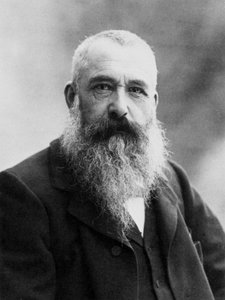
1840–1926, Prancūzija
Claude Monet
Klodo Monės ankstyvoji gyvenimo karta Norint suprasti moderniosios suvokimo mechanizmus, būtina pažvelgti į specifikus, dažnai turbulentiškus Klodo Monės kilmės šakaris. Gimęs 1840 m. lapkričio 14 d. Paryžiuje, Prancūzijoje, jis buvo Claude-Adolphe Monet ir Louise-Justine Aubrée Monet šeimos antrasis sūnus.
Taip pat Claude Monet darbai
 Vandenyčių Lielijos (arba Nimfejos)1916
 Imprensinjė Šiaurės rytas1872
 Šiaudai: sniego efektas1891
 Šokantis. Moteris su žieminiu uždieniu1875
Esdai apie Cobeas
 Claude Monet’s Giverny: The Living Canvas of Impressionist Light and WaterExplore the luminous world of Monet's Giverny through expert historical insight. Step into his living canvas today.
 French artworks of the 1880sFrench Impressionist masterpieces by Claude Monet, Pierre-Auguste Renoir, and Georges Seurat. Find museum-quality reproductions on Original…
 Capturing Fleeting Moments: Light, Color & Emotion in Impressionistic ArtExplore the captivating world of Impressionism! Discover the techniques, artists (Monet, Renoir, Degas), and enduring legacy of this revolu…