Perjungti į spausdinamus版作品
 Skaityti daugiau







































 Dėl meno kūrinių ar reprodukcijų, kurių bet kuri pusė yra didesnė nei 105 cm (apie 41 inch), rėmas bus siunčiamas kaip išskaidytas surinkimo rinkinys. Šis metodas užtikrina saugų pristatymą ir apsaugo nuo transportavimo metu galimos žalos.


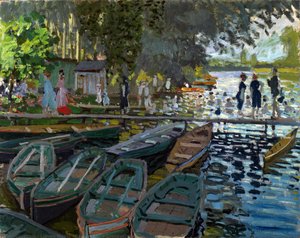
Camille on the Beach
Claude Monet’s “Camille on the Beach,” painted in 1870, isn't merely a picturesque seascape; it’s a profound meditation on domestic tranquility and the artist’s evolving relationship with his future wife. Located at the Musée Marmottan Monet in Paris, this canvas embodies Monet’s revolutionary approach to Impressionism—capturing fleeting moments of beauty through luminous color and textured brushstrokes.
Composition & Technique The painting depicts Camille Doncieux strolling along Trouville Beach, Normandy, accompanied by a nanny. Monet skillfully employs broken color – applying paint in small, separate strokes rather than blending them seamlessly – to recreate the shimmering effect of sunlight on water and sand. Notice how Monet’s brushwork builds up layers of pigment, creating palpable texture that invites viewers into the scene. The flattened perspective contributes to the painting's serene atmosphere, prioritizing visual sensation over precise representation.
Historical Context & Symbolism “Camille on the Beach” emerged during a period of significant artistic experimentation and social upheaval. Impressionists were challenging academic conventions by rejecting idealized depictions of nature in favor of capturing subjective experience. Monet’s inclusion of Camille—a woman he adored—represents not only his personal affection but also a broader exploration of domestic life as an antidote to the anxieties of the era. The spoons, seemingly insignificant objects, symbolize nourishment and comfort – mirroring the quiet contentment conveyed by the scene.
Monet’s Series Paintings & Artistic Legacy Monet's fascination with capturing ephemeral light is evident in his dedication to painting the same subject repeatedly under varying conditions—a technique known as “series paintings.” While “Camille on the Beach” isn’t formally part of a specific series, it exemplifies Monet’s broader artistic philosophy: to distill the essence of nature into its most immediate visual impact. This approach profoundly influenced subsequent generations of artists and cemented Monet's place as one of the fathers of modern art.
Related Works & Further Exploration Consider comparing “Camille on the Beach” with Monet’s other beach scenes, such as “On the Beach at Trouville,” to appreciate the consistency of his artistic vision. Also delve into his monumental Water Lilies series—a testament to his unwavering pursuit of capturing the sublime beauty of the natural world. For a detailed examination of this masterpiece and its context, visit the Musée Marmottan Monet.
Klausimai ir atsakymai
Ar galėčiau pamatyti „Camille on the Beach“ – Klodas Monet ant savo sienos prieš pirkdama/pirkdamas?
„Camille on the Beach“ – Klodas Monet puslapio Peržiūra papildintajai realybei funkcija naudoja papildytojąjį realybės technologiją, kad suderinamame įrenginyje parodytų kūrinį jūsų erdvėje.
Ar „Camille on the Beach“ yra viešosios teisės kūrinys?
Autorių teisių statusas kūriniui „Camille on the Beach“ – Klodas Monet: kūrinys priklauso yra viešosios erdvės dalis – jo autorinė teisė pasibaigusi. Tai nulemia, ar galima laisvai reprodukciuoti šį vaizdą.
Kokia buvo Klodas Monet amžius sukuriant „Camille on the Beach“?
Klodas Monet „Camille on the Beach“ sukūrė būdamas 30 metų amžiaus.ت Artistas gimė 1840, o kūrinys datuojamas 1870 metais.
Daugiau informacijos apie šį paveikslą
 Peržiūrėti realaus dydžio版
 Pasidalinti
 Dalintis
 Išsamiau
 Vadovas

 Atsisiųsti
 Panašūs eksponatai
 Rentgeno spindulių nuotrauka
 Automatinė diorama
 问答
问答 Statistika