

 Peržiūrėti realaus dydžio版
 Siųsti
 Dalintis
 Išsamiau
 Vadovas

 Atsisiųsti
 Panašūs eksponatai
 Rentgeno spindulių nuotrauka
 Diaporama
 Statistika
Satyrai
 Akrilas ant drobės
- Sieninis menas
- Neoclassical Style
 1700
1700 41.0 x 52.0 cm
 Kalouste Gulbenkian
 Rodyti daugiau
Rankų darbo aliejinės reprodukcijos
Rankiniu būdu tapytas aliejus ant droblio jūsų pageidaujamame dydį ir rėmuose – mūsų menininkų darbas pagal užsakymą. ( Perjungti į spausdinimą Perejti prie skaitmeninių vaizdų)




P118B €10

P118H €10

P118W €10

P438Z €10

P508JH €12

P508YH €12

P805H €10

P805Z €10

P919BZ €10

P919G €10

P919XJ €10

P959ZH €10

P968JZ €12

W106C €8

W218G €10

W218JH €8

W218Y €10

W307PJ €10

W316G €10

W316PJ €8

W316Y €10

W398PJ €8

W4111J €10

W500HY €15

W500JH €15

W692G €12

W849H €8

W940BG €15

W953PJ €8




Pasirinkite iš mūsų nustatytų dydžių, atitinkančių originalaus meno kūrinio proporcijas.

Galite įvesti savo matmenis, kad jie atitiktų konkretų rėmą ar erdvę. Jei pasirinktas dydis neatitinka originalaus paveikslėlio proporcijų, mes arba apkropsime meno kūrinį, arba papildysime tapybą rankomis dažytい elementais. Prieš pradėdami gamybą, jūsų patvirtinimui atsiųsime skaitmeninį maketą.
Atkreipkite dėmesį, kad ekrane rodomas vaizdas neatspindi tikrojo apkarpymo ar papildymo. Tik maketas tiksliai parodys galutinę kompoziciją.
Nors galima rinktis ir individualius dydžius, rekomenduojame pasirinkti matmenis iš nustatytos sąrašo, kad būtų išlaikytos originalios proporcijos.
Gavus užsakymą, OriginalUniqueArt.com komanda susisieks su klientu el. paštu dėl instrukcijų ir pateiks maketo pavyzdį
Pristatymas visame pasaulyje () per 3–4 savaites, o ne įprastai – per 5 savaites. (7 spalis). Kokybė lieka nepakeičiama.

Nemokamas greitasis pristatymas visame pasaulyje

Aukštos kokybės lininis drobė

Pilnas siuntimo draudimas

Muitinės mokesčių grąžinimo garantija

Tikro spalvų atitikimo garantija

100 dienų grąžinimo politika (tik esant įtaigoms)

100% pinigų grąžinimo garantija

Nuolaida dideliems užsakymams
 Stiklo variantas prieinamas tik pasirinkus dydį iki 110 cm

Satyrai
Reprodukcijos technika
Reprodukcijos dydis
-


Visų pasirinktų variantų kaina
€ 258
Claude Michel Clodion – Satyrs: A Dance Between Myth and Tranquility
The painting “Satyrs” by Claude Michel Clodion, created in 1700, offers a glimpse into the opulent Rococo artistic movement—a period characterized by delicate ornamentation, pastel hues, and an idealized depiction of nature. Currently housed at the Calouste Gulbenkian Museum in Lisbon, Portugal, this artwork transcends mere visual representation; it embodies the spirit of its time and speaks to universal themes of intimacy and harmony.
- Subject Matter: The composition centers around two satyrs—mythological figures from Greek mythology known for their wildness, sensual indulgence, and association with Dionysus, god of wine and revelry. However, these satyrs are presented in an unexpectedly tender pose, embracing each other with palpable affection.
- Style: Clodion’s style aligns perfectly with the Rococo aesthetic. The painting showcases flowing lines, soft contours, and a masterful use of chiaroscuro—the interplay between light and shadow—creating depth and enhancing the emotional resonance of the scene. Notice how the artist skillfully captures the subtle nuances of human expression.
- Technique: Executed in chalk, Clodion’s technique prioritizes tonal gradation and textural variation. The delicate surface finish contributes to the painting's ethereal quality, mirroring the serene atmosphere conveyed by the figures.
Beyond its formal beauty, “Satyrs” carries symbolic significance rooted in classical mythology. Satyrs represent primal instincts and unrestrained joy—a counterpoint to the rigid social conventions of the Enlightenment era. The embrace between the satyrs symbolizes unity, companionship, and a celebration of natural impulses.
Consider how this artwork might inspire interior designers seeking to infuse their spaces with warmth and sophistication. Its muted palette and graceful lines evoke a sense of tranquility—perfect for creating calming retreats or enhancing living areas. Furthermore, reproductions crafted by OriginalUniqueArt offer collectors the opportunity to own a piece of artistic history, preserving the beauty and emotional depth of Clodion’s masterpiece.
- Historical Context: Created during the reign of Louis XIV, “Satyrs” reflects the grandeur and extravagance of Versailles—the epicenter of French Rococo culture. The painting exemplifies the aristocratic fascination with pastoral landscapes and mythological narratives as expressions of idealized beauty and moral virtue.
Exploring similar artworks like Clodion’s ‘Satyresses and Baby Satyrs’ (1781) – a captivating grayscale relief sculpture of mythological figures – provides valuable insight into the broader artistic landscape of the period. You can find more information about Clodion's life and work on Artnet, where you can discover his exhibitions, original artworks, and recent auction prices.
问答 (or more naturally for a website heading): Klausimai ir atsakymai
Kokia yra „Satyrai“, autorius – Claude Michel švytėjimo intensyvumas?
„Satyrai“ spalvos pasižymi Švelni apšvietimo intensyvumas šviesos intensyvumu.
Ar galiu naudoti papildytojąjį realybę, kad pamatytumėte „Satyrai“, autorius – Claude Michel savo kambaryje?
„Satyrai“, autorius – Claude Michel puslapio AR peržiūra naudojasi papildytoji realybe, kad suderinamame įrenginyje parodytų kūrinį jūsų erdvėje.
Kuriam muziejui priklauso originalus kūrinys „Satyrai“?
Originalus kūrinys „Satyrai“, autorius – Claude Michel saugomas Kalouste Gulbenkian, Lisbon, Portugal muziejuje. Kopija leidžia šį darbinį eksponuoti namuose.
Kas yra „Satyrai“ kūrybos autorius?
„Satyrai“ priskiriamas Claude Michel.
Ar „Satyrai“, autorius – Claude Michel, esančį Kalouste Gulbenkian, galima legaliai reprodukcijaoti?
Originalus kūrinys „Satyrai“ saugomas Kalouste Gulbenkian, o jo autorinė teisė yra pripa принадле belongs to the public domain – jo autorinė teisė pasibaigusi.
Ar galiu užsisakyti „Satyrai“ aliejinį reprodukciją?
„Satyrai“ galima įsigyti kaip rankomis dažyta aliejų reprodukcija ant lininio drobos. Užsakymą galite padaryti ši ši puslapį, pasirinkdami tinkamą dydį.
Kada buvo sukurta „Satyrai“?
„Satyrai“, autorius – Claude Michel sukurtas 1700 m.
Autoriaus biografija
The Master of Clay: The Life and Art of Clodion
Born in Nancy, France, the sculptor known to history as Clodion—or Claude Michel—emerged as one of the most captivating figures of the late eighteenth century. His journey into the heart of the French art world began in 1755 when he arrived in Paris, entering the prestigious workshop of his maternal uncle, Lambert-Sigisbert Adam. This early immersion in a lineage of skilled sculptors provided him with a foundation of technical excellence that would later allow him to transcend the boundaries of traditional medium. While many of his contemporaries sought permanence in marble or bronze, Clodion found his true voice in the tactile, intimate world of terracotta.
His development was profoundly shaped by his travels and his encounters with the classical past. After winning the prestigious Prix de Rome, he moved to Italy, where he shared a studio with the renowned Jean-Antoine Houdon. It was during this period that Clodion deeply studied the nuances of antique, Renaissance, and Baroque sculpture. This exposure to the grace of antiquity infused his work with a sense of timelessness, even as he remained firmly rooted in the playful, light-hearted spirit of the Rococo style. He possessed an extraordinary gift for capturing fleeting emotions and dynamic movement within the soft, malleable confines of clay, creating works that felt alive even before they were fully realized.
Mythology and the Spirit of Rococo
Clodion’s oeuvre is a testament to his ability to blend classical mythology with a palpable sense of human vitality. His sculptures often feature mythological figures—satyrs, nymphs, and bacchantes—engaged in scenes of Dionysian ecstasy or tender interaction. In works such as Satyr and Bacchante, one can observe the masterful interplay between earthly passion and idealized beauty. He had a unique talent for modeling musculature with anatomical precision while maintaining an ethereal grace that prevented his figures from feeling heavy or static.
The themes of his work often reflected the era's fascination with the pastoral and the mythological, blending several artistic sensibilities:
- Rococo Elegance: A focus on light-heartedness, charm, and fluid movement.
- Neoclassical Influence: An aspiration for idealized beauty and a deep reverence for Greek and Roman narratives.
- Romantic Sensibilities: An exploration of emotion, instinct, and the primal energy found in nature.
Whether depicting the mischievous deities of Greek mythology or the serene intimacy of a pastoral scene, Clodion’s work captures a moment where primal instinct blends seamlessly with contemplative grace. His mastery of the terracotta medium allowed him to emphasize the tactile qualities of his subjects, creating a sense of warmth and life that remains as captivating today as it was during the height of the ancien régime.

Claude Michel
1738 - 1814 , France
Trumpa informacija apie kūrėją
- Artistic Movement Or Style: Rococo and Neoclassical
- Artists Or Movements Influenced By This Artist: ['Joseph Charles Marin']
- Artists Who Influenced This Artist: ['Lambert-Sigisbert Adam']
- Full Name: Claude Michel
- Notable Artworks:
- Satyr and Bacchante
- Satyrs
- Nymph and Faun
- The Intoxication of Wine
- Place Of Birth: Nancy, France
- Date Of Birth: 1738
- Date Of Death: 1814
Susiję straipsniai

The Enduring Form: Exploring Themes & Techniques in Sculpture Across Historical Periods
Explore the rich history of sculpture from ancient masterpieces to contemporary innovations. Discover key techniques, influential artists & investment potential for discerning art collectors.

The Enduring Form: Sculpture Across History, Technique & Emotional Resonance
Explore the rich history of sculpture with OriginalUniqueArt. Discover key techniques, influential artists & investment potential for discerning collectors. Expert insights into valuing and collecting timeless masterpieces.

Bronze Age to Modern Masters: 10 Sculptures That Redefined Art | OriginalUniqueArt
Journey through art history with 10 legendary bronze sculptures – from Michelangelo's David to Rodin’s Thinker. Explore the stories, techniques & timeless beauty of these masterpieces. Find museum-quality reproductions & elevate your home decor on OriginalUniqueArt.com.
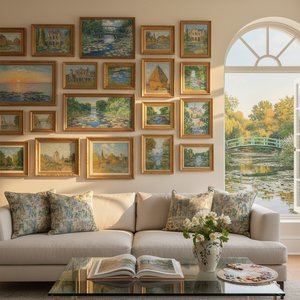
Claude Monet šedevrai: 25 paveikslai, įkvepiantys grožiu ir harmonija
Atraskite 25 įspūdingiausius Claude Monet šedevrus! Sužinokite apie impresionizmą, vandens lelijų paveikslus ir spalvų magiją. Meno reprodukcijos aukščiausia kokybe – OriginalUniqueArt.com. Išsamesnės informacijos rasite internetu.

Bronze Sculptures That Defined Art History | OriginalUniqueArt
Journey through art history with our Top 10 bronze sculptures! Explore masterpieces by Rodin, Michelangelo & more. Discover stories behind iconic statues and find museum-quality reproductions for your home decor at OriginalUniqueArt.com.
