

 Peržiūrėti realaus dydžio版
 Siųsti
 Dalintis
 Išsamiau
 Vadovas

 Atsisiųsti
 Panašūs eksponatai
 Rentgeno spindulių nuotrauka
 Diaporama
 Statistika
The Mill
 Oil On Canvas
- WallArt
- Baroque
 1631
1631- Early Modern
 62.0 x 85.0 cm
 Fine Arts muziejus
 Rodyti daugiau
Giclée / Meno spausdinimas
Muziejų lygio „giclée“ arba drobos spausdinimas: greita gamyba ir lankstios apdailos parinktys. ( Pirkti rankomis tapytą reprodukciją Perejti prie skaitmeninių vaizdų)




P118B €10

P118H €10

P118W €10

P438Z €10

P508JH €12

P508YH €12

P805H €10

P805Z €10

P919BZ €10

P919G €10

P919XJ €10

P959ZH €10

P968JZ €12

W106C €8

W218G €10

W218JH €8

W218Y €10

W307PJ €10

W316G €10

W316PJ €8

W316Y €10

W398PJ €8

W4111J €10

W500HY €15

W500JH €15

W692G €12

W849H €8

W940BG €15

W953PJ €8




Pasirinkite iš mūsų nustatytų dydžių, atitinkančių originalaus meno kūrinio proporcijas.

Įveskite jums reikiamą plotį ir aukštį, kad atvaizdas derėtų prie jūsų rėmo ar sienos. Spausdiną galima tik sumažinti, bet nepadidinti virš originalaus paveikslėlio dydžio, todėl keičiant proporcijas, dalis vaizdo prarandama. Prieš spausdinimą atsiųsime jums skaitmeninį maketą patvirtinimui. Šioje puslapio nuotraukoje matomas pjūvis nėra tikslus – jį rodo tik maketas.
Pristatymas visame pasaulyje () per 2 weeks, o ne įprastas 4/5 savaičių laikotarpis. (23 spalis)

Nemokamas greitasis pristatymas visame pasaulyje

Aukštos kokybės lininis drobė

Pilnas siuntimo draudimas

Muitinės mokesčių grąžinimo garantija

Tikro spalvų atitikimo garantija

100 dienų grąžinimo politika (tik esant įtaigoms)

100% pinigų grąžinimo garantija

Nuolaida dideliems užsakymams
 Stiklo variantas prieinamas tik pasirinkus dydį iki 110 cm

The Mill
Giclée / Meno spausdinimas
Reprodukcijos dydis
-


Visų pasirinktų variantų kaina
€ 70
An Idyllic Vision on the Flowing Waters
To gaze upon this depiction of "The Mill" is to be instantly transported to an era of pastoral tranquility. Claude Lorrain masterfully captures a moment suspended in time, where human activity coexists in perfect harmony with the enduring power of nature. The central focus, the meandering river, acts not merely as a setting but as a living artery through this idyllic landscape. One can almost hear the gentle lapping of water against the banks and the rhythmic dip of oars. The composition is richly populated; numerous figures dot the scene—some gathered near the water's edge in quiet contemplation, others navigating the varied vessels upon the current. This lively gathering, punctuated by the steady presence of a dog on the right, imbues the painting with a palpable sense of community and gentle industry.
Mastery of Baroque Landscape Technique
Claude Lorrain’s genius lay in his ability to transform mere scenery into an emotional experience. In this work from 1631, we witness the hallmarks of his mature style: an unparalleled command over light and atmosphere. His technique allows the sunlight to filter through unseen foliage, casting a luminous glow that seems to emanate from the water itself. The handling of the boats—varying in size and purpose—adds depth and narrative complexity, guiding the viewer's eye across the canvas. It is a landscape built on illusion; every ripple, every distant bank, speaks to an academic understanding of perspective blended with sheer artistic poetry.
Historical Echoes and Symbolism
The Baroque period, during which this piece was created, often saw art used to evoke grand narratives—be they classical myths or biblical episodes. While "The Mill" presents a seemingly secular scene, it resonates with the era's fascination with the sublime balance between civilization and wilderness. The river itself is a potent symbol throughout art history, representing the passage of time, life’s journey, and continuity. The presence of industry, symbolized by the mill structure subtly integrated into the background, suggests humanity’s place within nature—not as conqueror, but as an integral, harmonious part of its ongoing cycle. It speaks to a yearning for order amidst the wildness.
Bringing Tranquility Home
For the collector or designer seeking to infuse a space with timeless grace, this reproduction offers more than just decoration; it offers a mood. The soft palette and the deep sense of peace captured by Lorrain make it an unparalleled focal point for any room desiring an air of cultured serenity. Imagine this scene adorning a drawing-room wall, inviting quiet reflection after a long day. It is a visual balm, transporting the viewer away from the clamor of modern life to a sun-dappled riverbank where all seems perfectly right.
问答 (or more naturally for a website heading): Klausimai ir atsakymai
Ką „The Mill“ turi bendro su kitais Klodas Lorrainas kūriniais?
„The Mill“ priklauso Klodas Lorrainas Baroque kūrybai, kurios įrašytoms temoms priskiriamas classical ideals, roman landscape, biblical serenity, baroque light, artist’s legacy.
Koks kontrastas pasižymi kūrinys „The Mill“, autorius – Klodas Lorrainas?
Šviesos ir tamsos kontrastas kūriniame „The Mill“ yra nurodytas kaip Statement. Kontrastas aprašo, kaip stipriai skiriasi šviesios ir tamsios sritys.
Ar „The Mill“ liko savo kūrėjo tėvynėje?
Ne – kūrinys saugomas užsienyje. kūrinys „The Mill“ saugomas United States of America, o Klodas Lorrainas gimė Prancūzija.
Autoriaus biografija
Claude Lorrain (Claude Gellée): Gyvenimas šviesoje ir peizaže
Pradiniai metai ir mokslas
Gimęs apie 1600 m. Chamagne, nedideliame kaimelyje Lorrainės kunystėje (šiuolaikinėje Prancūzijoje), Claude Lorrain – pradinai Claude Gellée – išlieka vienu garsiausių baroko laikotarpio peisžinių paveikslų meistrų. Jo ankstyvasis gyvenimas apgaubtas misterija, o pasakojimai apie jo mokslavimą prieštarauja vienas kitam. Joachim von Sandrart teigia, kad jis prasidėjo skambiai kaip pyragų kepėjo mokinys, kol galiausiai rado darbą Romoje dirbančiais menininkais. Kita versija, patiksli platesnė Filippo Baldinucci, aprašo ankstyvą mokymąsi Neapolyje pas Goffredo Wals ir vėliau Romoje pas Agostino Taisi.
Kylimas į šlovę
Per 1630-tuos metus Claude Lorrain tvirtai įsitvirtino kaip svarbiausias peisžinių paveikslų meistras Italijoje. Jo kūriniai greitai sulaukė pripažinimo dėl savo atmosferinio gylio ir buvo parduodami už itin aukstas kainas. Jis meistriškai sujungė itališką peisžinį stilių su klasikinėmis ir biblijomis temomis, kuriodamas escenas, kurios buvo ne tik vizualiai nuostabios, bet ir intelektualiai intriguojančios.
Meninis stilius ir pagrindiniai bruožai
- Šviesanti saulė: Būdingiausias Claude kūrybos bruožas yra meistriškas šviesos vaizdymas. Jis buvo vienas iš pirmųjų menininkų, nuosekliai vaizdavęs per peisžinius sklandančią saulės šviesą, taip sukuriant atmosferą ir realizmą, kuris anksčiau nebuvo matytas. apas
- Klasikinės įtakos: Jo kompozicijos dažnai remiasi antikos paliktumi, įtraukiant romėnų griuvles, mitologines figūras ir architektūrines detales.
- Idealizuoti peisžiniai: Claude nesiejo griežto topografinio tikslumo; vietoj to jis kūrė idealizuotus peisžinius, kurie sukviečia harmonijos ir ramybės pojūtį.
- Išsamūs piešiniai: Jis buvo itin produktyvus piešlys, sukūręs daugybę eskizų ir studijų pieštuku, akvarele bei kreidės – daugelis jų išlikę jo Liber Veritatis rinkinyje.
Įtody ir evoliucija
Claude ankstyvųjų įtakų apimtis apima Šiaurės Europos peisžinių tradicijas, ypač flamandų paveikslų meistrų stilių. Jis taip pat studijavo Italijos Renesanso meistrų, tokių kaip Titianas ir Raphaelas, kūrybą. Laikui bėgant jo stilius evoliucionavo nuo tamsių, dramatiškesnių kompozicijų link šviesesnių, lengvesnių scenų, pasižyminčių auksinu spinduliu.
Žinomosios kūriniai
- Peisžlys su valstiečiais, grįžančiais su savo kariais
- Jūrų uostas su Šeba karalienės išvykimu
- Saulėtekis
- Pastoralinis peisžlys: Romos kampija
- Kleopatros išbarteriavimas Tarso mieste
Istorinė reikšmė ir palikimas
Claude Lorrain įtaka peisžinių paveikslų menui yra neįvertinamas. Jis pakėlė šį žanrą į prestižo lygį, kuris anksčiau buvo rezervuotas tik istorinėms ir religinei temoms. Jo darbai paveikė daugybę menininkų kartų, įskaitant J.M.W. Turnerį ir impresionistus, kurie siekė įamžinti trumpalaikius šviesos ir atmosferos pokyčius. Šiuolaikiniuose pasaulio didžiausiuose muzejuose, ypač Londono Nacionalinėje galerijoje ir Pietų Australijos meno galerijoje, jo paveikslai vertinami itin aukštai.
Vėlesnieji metai ir mirtis
Claude Lorrain mirė 1682 m. lapkričio 23 d. Romoje. Jo antspriedis San Luigi dei Francesi bažnyčioje turi paprastą užrašą: „Claude / peintre de / rome / mort / le 23 novembre 1682“. Jis paliko palikimą kaip vienas svarbiausių ir įtakingiausių peisžinių paveikslų meistrų Vakarų meno istorijoje.

Klodas Lorrainas
1600 - 1682 , Prancūzija
Susiję straipsniai

10 Romantinių Peizažų Simbolių: Tapybos Majestatės Viršūnės
Atraskite 10 legendinių romantinio peizažo kūrinių! Pasinerkite į Claude Lorrain, Caspar David Friedrich ir J.M.W. Turner genijaus pasaulį. Išmokite apie tapybos meistriškumą bei gamtos grožį. Aukščiausios kokybės meno reprodukcijos – OriginalUniqueArt.com. Tyrinėkite kolekciją!

Baroque Classicism: The Grandeur of Order and Drama in 17th-Century Art History
Explore the profound elegance of Baroque Classicism. Discover how 17th-century masters synthesized dramatic emotion with classical order through the lens of the Counter-Reformation and the works of legends like Carlo Maratta and Andrea Sacchi.
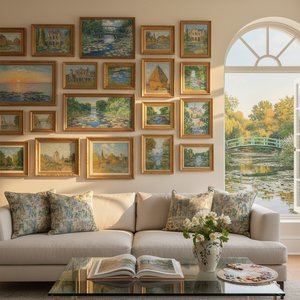
Claude Monet šedevrai: 25 paveikslai, įkvepiantys grožiu ir harmonija
Atraskite 25 įspūdingiausius Claude Monet šedevrus! Sužinokite apie impresionizmą, vandens lelijų paveikslus ir spalvų magiją. Meno reprodukcijos aukščiausia kokybe – OriginalUniqueArt.com. Išsamesnės informacijos rasite internetu.

Katsushika Hokusai: 25 Šedevrai Japonų Meno Istorijoje | OriginalUniqueArt.com
Atraskite 25 įspūdingiausius Katsushika Hokusai kūrinius! Žiūrėkite *Didžiąją bangą*, *Fuji kalną* ir kitus Ukiyo-e stiliaus šedevrus. Meno reprodukcijos jūsų interjerui – OriginalUniqueArt.com

Claude Lorrain: Master of Light & Landscape in the Golden Age
Explore the luminous landscapes of Claude Lorrain, a Baroque master renowned for his masterful use of light & atmosphere. Discover his life, techniques, key works & enduring influence on art history.


