

 Peržiūrėti realaus dydžio版
 Pasidalinti
 Dalintis
 Išsamiau
 Vadovas

 Atsisiųsti
 Panašūs eksponatai
 Rentgeno spindulių nuotrauka
 Automatinė diorama
 Statistika
The Shipwreck
 Oil On Canvas
- WallArt
- Romanticism
 1772
1772- 19th Century
 114.0 x 163.0 cm
 Nacionalinės dailės galerija
 Skaityti daugiau
Giclée / Meno spausdinimas
Muziejų lygio „giclée“ arba drobos spausdinimas: greita gamyba ir lankstios apdailos parinktys. ( Pirkti rankų darbo tapybą Perejti prie skaitmeninių vaizdų)




P118B €10

P118H €10

P118W €10

P438Z €10

P508JH €12

P508YH €12

P805H €10

P805Z €10

P919BZ €10

P919G €10

P919XJ €10

P959ZH €10

P968JZ €12

W106C €8

W218G €10

W218JH €8

W218Y €10

W307PJ €10

W316G €10

W316PJ €8

W316Y €10

W398PJ €8

W4111J €10

W500HY €15

W500JH €15

W692G €12

W849H €8

W940BG €15

W953PJ €8




Pasirinkite iš mūsų nustatytų dydžių, atitinkančių originalaus meno kūrinio proporcijas.

Įveskite jums reikiamą plotį ir aukštį, kad atvaizdas derėtų prie jūsų rėmo ar sienos. Spausdiną galima tik sumažinti, bet nepadidinti virš originalaus paveikslėlio dydžio, todėl keičiant proporcijas, dalis vaizdo prarandama. Prieš spausdinimą atsiųsime jums skaitmeninį maketą patvirtinimui. Šioje puslapio nuotraukoje matomas pjūvis nėra tikslus – jį rodo tik maketas.
Pristatymas visame pasaulyje () per 2 weeks, o ne įprastas 4/5 savaičių laikotarpis. (28 spalis)

Nemokamas greitasis pristatymas visame pasaulyje

Aukštos kokybės lininis drobė

Pilnas siuntimo draudimas

Muitinės mokesčių grąžinimo garantija

Tikro spalvų atitikimo garantija

100 dienų grąžinimo politika (tik esant įtaigoms)

100% pinigų grąžinimo garantija

Nuolaida dideliems užsakymams
 Stiklo variantas prieinamas tik pasirinkus dydį iki 110 cm

The Shipwreck
Giclée / Meno spausdinimas
Reprodukcijos matmenys
-


Bendroji kaina
€ 71
The Tempestuous Embrace of Nature: A Study in Maritime Drama
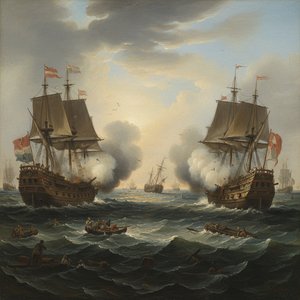
To stand before this depiction of The Shipwreck is to be immediately swept away by the raw, untamed energy of the ocean. Claude-Joseph Vernet masterfully captures not merely an event, but a profound moment suspended between life and oblivion. The canvas pulses with a dramatic tension, dominated by the churning chaos of the water and the oppressive weight of the stormy sky. It is a scene that speaks directly to the human condition—our magnificent vulnerability when confronted by nature's overwhelming might. Vernet’s signature Romanticism shines through every visible brushstroke; it is an art that does not simply depict, but rather makes you feel the salt spray stinging your face and hear the groan of splintering wood.
Mastery in Technique and Composition
Observe how the composition guides the eye through a carefully orchestrated disaster. The horizontal expanse is broken by powerful diagonal lines—the cresting waves, the leaning mast—all contributing to an inescapable sense of movement and instability. Vernet employs his oil paints with breathtaking dexterity; one can almost feel the texture of the rough water against the smoother depiction of the onlookers' garments. The lighting is perhaps the most arresting element: sudden flashes of lightning slice through the dark palette of deep blues, grays, and browns, creating stark contrasts that heighten the drama to an almost unbearable pitch. This dramatic illumination serves not just to reveal form, but to underscore the emotional intensity gripping every figure.
Symbolism and the Human Spirit
Beyond the spectacle of the wreckage lies a deep meditation on themes of loss and survival. The stormy heavens are more than mere weather; they symbolize chaos itself, an impending doom that hangs heavy over the scene. Yet, it is the foreground figures—the witnesses to this tragedy—who anchor the piece in human experience. They represent humanity’s enduring spirit, caught between despair and sheer awe. This interplay between overwhelming natural power and fragile human observation gives the work its profound emotional resonance. It invites contemplation on fate, resilience, and the sublime terror that nature can inspire.
A Timeless Statement for Any Space
For collectors and designers alike, this reproduction offers more than just a beautiful seascape; it offers an atmosphere. The moody grandeur of The Shipwreck lends an immediate sense of depth and narrative weight to any room. Whether placed in a study meant for deep thought or a grand hall echoing with history, its dramatic scope commands attention. Vernet’s ability to blend academic precision with unrestrained emotion ensures that this piece remains eternally captivating, a testament to the enduring power of art to transport us across time and into the heart of the storm.
Klausimai ir atsakymai
Kokią spalvų harmoniją išpriešia „The Shipwreck“ – Klodas Žozefas Verne?
„The Shipwreck“ – Klodas Žozefas Verne spalvos于demonstruoja Softly Mixed Palette harmoniją. Harmonija apibūdina, kaip spalvos dera viena su kita.
Kiek žmonių žiūri į „The Shipwreck“?
Eksistuoja Statistika puslapis kūriniui „The Shipwreck“. Jame pateikiama mėnesio apžiūrų diagrama, apimanti šį kūrinį bei kitus šio kūrybinio veikėjo darbus, su skirstymu pagal šalis ir kalbas.
Kokie yra „The Shipwreck“ – Klodas Žozefas Verne realūs matmenys?
Originalaus kūrinio „The Shipwreck“ – Klodas Žozefas Verne matmenys yra 114 x 163 cm.
Autoriaus biografija
Ankstyvieji Metai ir Šeimos Įtaka: Klaidžiojo Jožefo Vernė kelias į Meną
Klaidžiojo Jožefo Vernė (pranc. Claude-Joseph Vernet), gimęs Bordo mieste 1714 metais, iš pradžių nebuvo lemta tapti didingų peizažų ir dramatiškų jūros vaizdų kūrėju, kurie vėliau apibrėš jo palikimą. Ankstyvieji meniniai polinkiai atskleidė aistrą arkliams – šis pomėgis buvo akivaizdus net vaikystėje, kai jis piešė kilnius gyvūnus nuo penkerių metų amžiaus. Šis ankstyvas susižavėjimas gyvūnų anatomija, ypač arklio forma, subtiliai paveikė jo vėlesnį darbą, suteikiant dinamiškos energijos ir realizmo platesnėse kompozicijose. Vernė formalus mokymas prasidėjo su tėvu Antuanu Vernė, dekoratyviniu tapytoju, ir Nikolias-Bernard Lépicié, suteikiančiu jam tvirtą akademinį pagrindą prieš patenkant į Europos meno širdį: Romą. Būtent Italijoje Vernė tikrai atrado savo pašaukimą, sužavėtas ne tik klasikiniais peizažais, bet ir jūros žalia galia bei grožiu. Banginių reginys prie Marselio pakrantės buvo lemtingas momentas, uždegęs visam gyvenimui trunkantį pomėgį jūrų temomis.Romos Studijos ir Karališkos Užsakymai: Naujų Horizontų Paieška
Vernė laikas Romoje nebuvo tik esamų stilių kopijavimas; tai buvo gilus šviesos, atmosferos ir žmogaus bei gamtos sąveikos tyrimas. Jis įsisavino tokių meistrų kaip Klodas Lorenas (Claude Lorrain) ir Salvator Rosa įtaką, sujungdamas jų metodus į unikalų asmeninį viziją. Nors Lorenas siūlė idealizuotą ramybę, Rosa suteikė dramatišką intensyvumą – Vernė meistriškai sintetizavo šiuos elementus, kurdamas scenas, buvusius ir vizualiai įspūdingas, ir emociškai rezonuojančias. Grįžęs į Prancūziją 1753 metais, Vernė talentas greitai buvo pripažintas. Lemtinga akimirka atėjo su Liudviko XV užsakymu nutapyti prancūziškų uostamiesčių seriją. Šis ambicingas projektas – galiausiai apimantis penkiolika paveikslų – įtvirtino Vernė kaip geriausią jūros tapytoją savo laiku. Tai nebuvo tik topografiniai įrašai; tai buvo vaizdingi nacionalinio pasididžiavimo portretai, demonstruojantys Prancūzijos jūrų galią ir jos ryšį su jūra. Pavyzdžiui, Intérieur du port de Marseille (1754) nėra tik užimto uosto vaizdas – tai oda prekybai, pramonės gyvybinei energijai ir miesto klestėjimui.Šviesos ir Audrų Palikimas: Vernė Meistriškumas
Vernė meninis įgūdis slypėjo ne tik jo tiksliame laivų ir uostų vaizdavime, bet ir meistriškame šviesos bei atmosferos valdymas. Jis suprato, kaip saulės spinduliai atspindi vandenyje, kaip susidaro debesys prieš audrą ir kaip šie elementai gali dramatiškai pakeisti scenos nuotaiką. Jo paveiksluose dažnai pasirodo dramatiškas dangus, nerami vandenys ir figūros, užfiksuotos tiek pavojaus, tiek atsparumo akimirkomis. A View of the Port of Naples with Mount Vesuvius in the Background (1774) puikiai iliustruoja šį talentą – įspūdingas Vezuvijaus buvimas stūksta virš užimto uosto, primindamas gamtos galią ir tuo pačiu pabrėžiant žmogaus veiklą. Šis gebėjimas subalansuoti didybę ir intymumą yra jo darbo bruožas. Be jūrų scenų, Vernė tyrinėjo peizažus ir medžioklės temas, visada išlaikydamas aštrų dėmesį detalėms ir supratimą apie gyvūnų anatomiją – įgūdį, ugdytą jaunystėje.Šeima, Įtaka ir Nuolatinis Svarbumas: Vernė Paveikslų Rezonansas
Meno dinastija tęsėsi su Vernė sūnumi Antuanu Šarliu Orasu Vernė (taip pat žinomas kaip Karlas Vernė), kuris sekė tėvo pėdomis, išgarsėdamas savo dinamiškais mūšio scenomis ir medžioklės menu. Šis šeimos ryšys pabrėžia tradicijos ir mentorystės svarbą XVIII amžiaus prancūzų meno bendruomenėje. Klaidžiojo Jožefo Vernė įtaka apėjo toli už jo artimųjų ribas; jis padėjo pakelti peizažinę tapybą į reikšmingą vietą prancūzų mene. Jo darbas nutiesė kelią vėlesnės kartos menininkams, įkvėpdamas juos tyrinėti gamtos grožį ir galią. Nors jis mirė 1789 metais, revoliucijos pokyčių slenksnyje, Vernė palikimas išlieka. Jo paveikslai vis dar žavi žiūrovus savo atmosferiniu gylumu, techniniu meistriškumu ir vaizdingu pasakojimu – tai liudijimas gyvenimui, skiriamam šviesos, jūros ir žmogaus dvasios esmei.
Klodas Žozefas Verne
1714 - 1789 , Prancūzija
Trumpa informacija
- Gimimo Data: 1714 rugpjūčio 14 d.
- Gimimo Vieta: Bordó, Prancūzija
- Meninis Stilius: Peizažas, Jūrų tapyba
- Mirties Data: 1789 m.
- Pilietybė: Prancūzas
- Pilnas Vardas: Claude-Joseph Vernet
- Turėjo Įtakos:
- Claude Lorrain
- Bernardino Fergioni
- Įtakojo: ['Antoine Charles Horace Vernet']
- Žymiausi Darbai:
- Uostas Marselyje
- Neapolio uosto vaizdas
Susiję straipsniai

The Enduring Power of Painting: A Historical & Contemporary Exploration of Form and Emotion
Explore the rich history & enduring techniques of oil painting with OriginalUniqueArt. Discover masterpieces, learn about art collecting, and find authentic handmade reproductions crafted by skilled artists.
Masterpieces of Maritime Warfare: The Artistry and Intensity of Naval Combat in Historical Painting
Explore the dramatic intensity of naval combat through art history. From Romanticism to classical maritime masterpieces, discover how legendary painters captured the chaos, light, and heroism of sea battles in breathtaking oil paintings.

Aliejinės tapybos paveldas drobėje: technika, istorija ir šiuolaikinės praktikos subtilybės
Atraskite aliejinės tapybos paslaptis! Istorija, technika, drobės pasirinkimas ir šiuolaikinė praktika. Patarimai meno kolekcionieriams ir kūrėjams iš ekspertų.

The Enduring Legacy of Oil on Canvas: Technique, History & Aesthetic Impact
Explore the rich history & techniques of oil painting – from Renaissance masters to Impressionism. Discover pigments, layering methods, and why this timeless medium endures. Expert insights for artists & art enthusiasts.

Oil on Canvas: A Historical & Technical Exploration of a Timeless Artistic Medium
Explore the rich history & enduring techniques of oil painting on canvas. Discover the science behind its longevity, conservation practices, and contemporary relevance. Expert insights for art enthusiasts.