

 Peržiūrėti realaus dydžio版
 Siųsti
 Dalintis
 Išsamiau
 Vadovas

 Atsisiųsti
 Panašūs eksponatai
 Rentgeno spindulių nuotrauka
 Diaporama
 Statistika
Shipwreck
 Acrylic On Canvas
- WallArt
- Rococo
 1759
1759- Late Medieval
 96.0 x 134.0 cm
 Groeninge muziejus
 Rodyti daugiau
Rankų darbo aliejinės reprodukcijos
Rankiniu būdu tapytas aliejus ant droblio jūsų pageidaujamame dydį ir rėmuose – mūsų menininkų darbas pagal užsakymą. ( Perjungti į spausdinimą Perejti prie skaitmeninių vaizdų)




P118B €10

P118H €10

P118W €10

P438Z €10

P508JH €12

P508YH €12

P805H €10

P805Z €10

P919BZ €10

P919G €10

P919XJ €10

P959ZH €10

P968JZ €12

W106C €8

W218G €10

W218JH €8

W218Y €10

W307PJ €10

W316G €10

W316PJ €8

W316Y €10

W398PJ €8

W4111J €10

W500HY €15

W500JH €15

W692G €12

W849H €8

W940BG €15

W953PJ €8




Pasirinkite iš mūsų nustatytų dydžių, atitinkančių originalaus meno kūrinio proporcijas.

Įveskite jums reikiamą plotį ir aukštį, kad paveikslas atitiktų jūsų rėmą ar sieną. Kadangi šis darbas yra rankinio darbo, siekiant išgauti kitokio formos dydį, paveikslas gali būti šiek tiek didesnis (nuo kraštų bus palikta daugiau erdvės) arba mažesnis – pasirinkite jums patogiausią variantą. Prieš pradedant tapyti, atsiųsime jums skaitmeninį maketą patvirtinimui. Šioje puslapio nuotraukoje matomas vaizdas nėra galutinis rezultatas – jį parodys tik sukurtas maketas.
Gavus užsakymą, OriginalUniqueArt.com komanda susisieks su klientu el. paštu dėl instrukcijų ir pateiks maketo pavyzdį
Pristatymas visame pasaulyje () per 3–4 savaites, o ne įprastai – per 5 savaites. (23 spalis). Kokybė lieka nepakeičiama.

Nemokamas greitasis pristatymas visame pasaulyje

Aukštos kokybės lininis drobė

Pilnas siuntimo draudimas

Muitinės mokesčių grąžinimo garantija

Tikro spalvų atitikimo garantija

100 dienų grąžinimo politika (tik esant įtaigoms)

100% pinigų grąžinimo garantija

Nuolaida dideliems užsakymams
 Stiklo variantas prieinamas tik pasirinkus dydį iki 110 cm

Shipwreck
Reprodukcijos technika
Reprodukcijos dydis
-


Visų pasirinktų variantų kaina
€ 264
A Tempestuous Vision: The Shipwreck by Claude-Joseph Vernet
Claude-Joseph Vernet’s “Shipwreck” (1759) isn't merely a depiction of maritime disaster; it’s a visceral plunge into the heart of the sublime – that potent blend of terror, awe, and exhilaration evoked by confronting the raw power of nature. Painted during the height of the Rococo period in France, yet imbued with a dramatic intensity that anticipates Romanticism, this work transcends its subject matter to become a meditation on human vulnerability against an indifferent universe. The painting immediately commands attention with its dynamic composition, a swirling vortex of turbulent sea and bruised sky, pulling the viewer into the chaotic drama unfolding before them.
Vernet masterfully employs the techniques characteristic of his era – a meticulous attention to detail combined with a loose, expressive brushstroke. Notice how he renders the churning waves, not as smooth forms but as frothing crests and shadowed troughs, conveying an almost palpable sense of movement. The light is equally crucial; it’s fractured and diffused by the storm clouds, casting dramatic highlights on the wreckage and creating pools of deep shadow that heighten the feeling of unease. The artist's use of chiaroscuro – the stark contrast between light and dark – isn’t simply for aesthetic effect but serves to amplify the drama and underscore the precariousness of the scene.
Echoes of the Sublime: Rococo Meets Romanticism
“Shipwreck” occupies a fascinating space within art history. While firmly rooted in the decorative elegance of the Rococo style – evidenced by the vibrant palette, the intricate details of the ship’s rigging (though rendered with a slightly more rugged quality than typical for the period), and the overall sense of theatricality – it also foreshadows the Romantic movement's fascination with untamed nature. Vernet was deeply influenced by the philosophical ideas of Jean-Jacques Rousseau, who championed the beauty and power of the natural world as a counterpoint to the artificiality of courtly life. This painting embodies that sentiment, presenting a storm at sea not as a destructive force but as an overwhelming spectacle of sublime grandeur.
The historical context is equally important. Vernet’s work reflects the growing European interest in maritime exploration and trade during the 18th century. Shipwrecks were frequent occurrences, often resulting in significant loss of life and cargo – events that captured the public imagination. Vernet's painting taps into this collective anxiety about the perils of the sea while simultaneously celebrating its breathtaking beauty. It’s a reminder of humanity’s smallness within the vastness of the ocean.
Figures Amidst Ruin: Symbolism and Human Drama
Scattered along the rocky shoreline are several figures, rendered in stark silhouette against the brightly lit background. These aren't heroic rescuers; they are ordinary people – men and women – overwhelmed by the scale of the disaster. Their postures suggest a mixture of despair, frantic activity, and perhaps even a desperate hope for survival. Vernet doesn’t offer easy answers or moral judgments; he simply presents these individuals as witnesses to an event beyond their control. The inclusion of these human figures elevates the painting from a purely landscape study to a poignant meditation on mortality and resilience.
In the background, a partially obscured castle-like structure – likely a coastal fortress or lighthouse – adds another layer of symbolism. It represents both protection and vulnerability, suggesting that even the most formidable structures are ultimately subject to the forces of nature. The presence of this architectural element anchors the scene within a specific geographical context while simultaneously emphasizing the insignificance of human endeavors in the face of overwhelming natural power.
A Legacy of Dramatic Seascapes
Signed “C. J. Vernet” in the lower right corner, "Shipwreck" stands as a testament to Claude-Joseph Vernet’s mastery of marine painting. It's a work that continues to resonate with viewers today, not only for its technical brilliance but also for its profound exploration of human emotion and the sublime power of nature. Reproductions of this iconic image offer a captivating glimpse into a pivotal moment in art history – a moment when the Rococo’s decorative elegance yielded to the Romantic spirit's embrace of untamed beauty and dramatic intensity.
问答 (or more naturally for a website heading): Klausimai ir atsakymai
Kokiam stiliui priklauso „Shipwreck“?
Kūrinio „Shipwreck“, autorius – Klodas Žozefas Verne stilius – Rococo. Ši klasifikacija leidžia šį darbą įtraukti į bendrą susijusių menininkų ir kūrinių kontekstą.
Kaip „Shipwreck“ subalansuoja šviesą ir tamsą?
Įrašytos „Shipwreck“, autorius – Klodas Žozefas Verne reikšmės: šviesos intensyvumas – shadow, luminansas – Soft Shadow.
Ar „Shipwreck“ yra garsus Rococo kūrinys?
Rococo kryptėje kūrinys „Shipwreck“ pasižymi Recognized populiarumumo lygio.
Autoriaus biografija
Ankstyvieji Metai ir Šeimos Įtaka: Klaidžiojo Jožefo Vernė kelias į Meną
Klaidžiojo Jožefo Vernė (pranc. Claude-Joseph Vernet), gimęs Bordo mieste 1714 metais, iš pradžių nebuvo lemta tapti didingų peizažų ir dramatiškų jūros vaizdų kūrėju, kurie vėliau apibrėš jo palikimą. Ankstyvieji meniniai polinkiai atskleidė aistrą arkliams – šis pomėgis buvo akivaizdus net vaikystėje, kai jis piešė kilnius gyvūnus nuo penkerių metų amžiaus. Šis ankstyvas susižavėjimas gyvūnų anatomija, ypač arklio forma, subtiliai paveikė jo vėlesnį darbą, suteikiant dinamiškos energijos ir realizmo platesnėse kompozicijose. Vernė formalus mokymas prasidėjo su tėvu Antuanu Vernė, dekoratyviniu tapytoju, ir Nikolias-Bernard Lépicié, suteikiančiu jam tvirtą akademinį pagrindą prieš patenkant į Europos meno širdį: Romą. Būtent Italijoje Vernė tikrai atrado savo pašaukimą, sužavėtas ne tik klasikiniais peizažais, bet ir jūros žalia galia bei grožiu. Banginių reginys prie Marselio pakrantės buvo lemtingas momentas, uždegęs visam gyvenimui trunkantį pomėgį jūrų temomis.Romos Studijos ir Karališkos Užsakymai: Naujų Horizontų Paieška
Vernė laikas Romoje nebuvo tik esamų stilių kopijavimas; tai buvo gilus šviesos, atmosferos ir žmogaus bei gamtos sąveikos tyrimas. Jis įsisavino tokių meistrų kaip Klodas Lorenas (Claude Lorrain) ir Salvator Rosa įtaką, sujungdamas jų metodus į unikalų asmeninį viziją. Nors Lorenas siūlė idealizuotą ramybę, Rosa suteikė dramatišką intensyvumą – Vernė meistriškai sintetizavo šiuos elementus, kurdamas scenas, buvusius ir vizualiai įspūdingas, ir emociškai rezonuojančias. Grįžęs į Prancūziją 1753 metais, Vernė talentas greitai buvo pripažintas. Lemtinga akimirka atėjo su Liudviko XV užsakymu nutapyti prancūziškų uostamiesčių seriją. Šis ambicingas projektas – galiausiai apimantis penkiolika paveikslų – įtvirtino Vernė kaip geriausią jūros tapytoją savo laiku. Tai nebuvo tik topografiniai įrašai; tai buvo vaizdingi nacionalinio pasididžiavimo portretai, demonstruojantys Prancūzijos jūrų galią ir jos ryšį su jūra. Pavyzdžiui, Intérieur du port de Marseille (1754) nėra tik užimto uosto vaizdas – tai oda prekybai, pramonės gyvybinei energijai ir miesto klestėjimui.Šviesos ir Audrų Palikimas: Vernė Meistriškumas
Vernė meninis įgūdis slypėjo ne tik jo tiksliame laivų ir uostų vaizdavime, bet ir meistriškame šviesos bei atmosferos valdymas. Jis suprato, kaip saulės spinduliai atspindi vandenyje, kaip susidaro debesys prieš audrą ir kaip šie elementai gali dramatiškai pakeisti scenos nuotaiką. Jo paveiksluose dažnai pasirodo dramatiškas dangus, nerami vandenys ir figūros, užfiksuotos tiek pavojaus, tiek atsparumo akimirkomis. A View of the Port of Naples with Mount Vesuvius in the Background (1774) puikiai iliustruoja šį talentą – įspūdingas Vezuvijaus buvimas stūksta virš užimto uosto, primindamas gamtos galią ir tuo pačiu pabrėžiant žmogaus veiklą. Šis gebėjimas subalansuoti didybę ir intymumą yra jo darbo bruožas. Be jūrų scenų, Vernė tyrinėjo peizažus ir medžioklės temas, visada išlaikydamas aštrų dėmesį detalėms ir supratimą apie gyvūnų anatomiją – įgūdį, ugdytą jaunystėje.Šeima, Įtaka ir Nuolatinis Svarbumas: Vernė Paveikslų Rezonansas
Meno dinastija tęsėsi su Vernė sūnumi Antuanu Šarliu Orasu Vernė (taip pat žinomas kaip Karlas Vernė), kuris sekė tėvo pėdomis, išgarsėdamas savo dinamiškais mūšio scenomis ir medžioklės menu. Šis šeimos ryšys pabrėžia tradicijos ir mentorystės svarbą XVIII amžiaus prancūzų meno bendruomenėje. Klaidžiojo Jožefo Vernė įtaka apėjo toli už jo artimųjų ribas; jis padėjo pakelti peizažinę tapybą į reikšmingą vietą prancūzų mene. Jo darbas nutiesė kelią vėlesnės kartos menininkams, įkvėpdamas juos tyrinėti gamtos grožį ir galią. Nors jis mirė 1789 metais, revoliucijos pokyčių slenksnyje, Vernė palikimas išlieka. Jo paveikslai vis dar žavi žiūrovus savo atmosferiniu gylumu, techniniu meistriškumu ir vaizdingu pasakojimu – tai liudijimas gyvenimui, skiriamam šviesos, jūros ir žmogaus dvasios esmei.
Klodas Žozefas Verne
1714 - 1789 , Prancūzija
Trumpa informacija apie kūrėją
- Gimimo Data: 1714 rugpjūčio 14 d.
- Gimimo Vieta: Bordó, Prancūzija
- Meninis Stilius: Peizažas, Jūrų tapyba
- Mirties Data: 1789 m.
- Pilietybė: Prancūzas
- Pilnas Vardas: Claude-Joseph Vernet
- Turėjo Įtakos:
- Claude Lorrain
- Bernardino Fergioni
- Įtakojo: ['Antoine Charles Horace Vernet']
- Žymiausi Darbai:
- Uostas Marselyje
- Neapolio uosto vaizdas
Susiję straipsniai

Rožinio Amžius: 10 Šedevrų Apibrėžiančių Rokoko Stilių
Atraskite 10 rokokoko šedevrų, apibrėžiančių prabangą ir grožį! Sužinokite apie žymius dailininkus, spalvotus motyvus bei istorijas. Puikios meno reprodukcijos jūsų namams – OriginalUniqueArt.com.
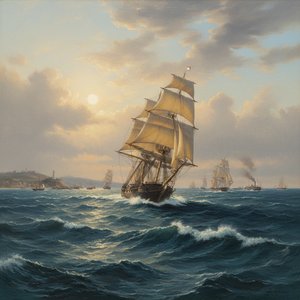
James E. Buttersworth: Navigating the Seas of Victorian Marine Painting
Explore the captivating world of James Edward Buttersworth, a foremost Victorian marine painter. Discover his meticulous ship portraits, America's Cup chronicles & enduring legacy in museums worldwide. Learn about his technique and style.
Pristatymas ir grąžinimas
APS teikia profesionalų viso pasaulio meno siuntų gabenimą su muziejinei kokybei prilygstančia priežiūra, pilnu sekimu ir 100 dienų pinigų grąžinimo garantija. Nuo muitų palaikymo iki Priority Production, pasitikėkite skaidriu aptarnavimu, saugiu pakavimu ir patikimu pristatymu kolekcionieriams, dizaineriams ir galerijoms.

The Rococo Aesthetic: Opulence, Rebellion & the Pursuit of Pleasure in 18th-Century Art
Explore the opulent world of Rococo art! Discover its origins, key artists like Watteau & Boucher, and lasting influence on design. Expert insights for collectors & enthusiasts.
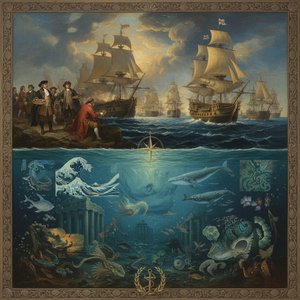
Navigating the Depths of Representation: A Historical Exploration of Marine Painting
Explore the rich history of marine painting with OriginalUniqueArt. Discover Dutch Masters, Romantic seascapes & renowned artists like Wyllie and Harris. Expert guidance for collectors & custom reproductions.