() ·

A painting made for you, by hand

Noon

Rankų darbo aliejinės reprodukcijos

Rankiniu būdu tapytas aliejus ant droblio jūsų pageidaujamame dydį ir rėmuose – tai mūsų menininkų pagal užsakymą sukurtas darbas. ( Perjungti į spausdinamus版作品 Perejti prie skaitmeninių vaizdų)

Kolekcinio objekto aprašas

Experience the tranquility of Claude Joseph Vernet's Noon – a stunning 1760 oil painting depicting a serene river scene with figures and dogs, housed at The Fitzwilliam Museum.

Autoriaus biografija

Claude-Joseph Vernet (1714–1789) – prancūzų tapytojas, garsėjęs atmosferiniais jūros peizažais ir elegantiškais arklių vaizdais. Atraskite jo įspūdingus uostų paveikslus bei 18-ojo amžiaus meno palikimą!

from ·

Chapter 1

How large should it be?

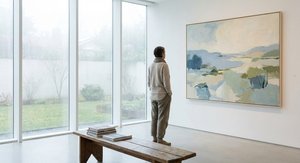
Slide to change the size; the picture on the left shows the frame at its real width. The proportions of the original are kept.

Standartinis dydis
pagal užsakymą
CM
INCH

Pasirinkite iš mūsų nustatytų dydžių, atitinkančių originalaus meno kūrinio proporcijas.

plotis
aukštis

Įveskite jums reikiamą plotį ir aukštį, kad paveikslas atitiktų jūsų rėmą ar sieną. Kadangi šis darbas yra rankinio darbo, siekiant išgauti kitokios formos dydį, paveikslas gali būti šiek tiek didesnis (nuo kraštų bus palikta daugiau erdvės) arba mažesnis – pasirinkite jums patogiausią variantą. Prieš pradedant tapyti, atsiųsime jums skaitmeninį maketą patvirtinimui. Šioje puslapio nuotraukoje matomas vaizdas nėra galutinis rezultatas – jį parodys tik sukurtas maketas.

Chapter 2

How should it arrive?

Choose the edges of the stretched canvas

Choose your frame

Corner sample of the WhiteWrap canvas edge finish, stretched on solidus medžio

**Improved version:**
solidus medis bars
White €1
Corner sample of the BlurSideWrap canvas edge finish, stretched on solidus medžio

**Improved version:**
solidus medis bars
Blurside €1
Corner sample of the ExtendedWrap canvas edge finish, stretched on solidus medžio

**Improved version:**
solidus medis bars
Extended €1
Corner sample of the P118B picture frame: lieto polistirolo detalės, 5 cm wide and 3 cm thick
P118B €10
Corner sample of the P118H picture frame: lieto polistirolo detalės, 5 cm wide and 3 cm thick
P118H €10
Corner sample of the P118W picture frame: lieto polistirolo detalės, 5 cm wide and 3 cm thick
P118W €10
Corner sample of the P438Z picture frame: lieto polistirolo detalės, 5.5 cm wide and 3.5 cm thick
P438Z €10
Corner sample of the P508JH picture frame: lieto polistirolo detalės, 7 cm wide and 3.5 cm thick
P508JH €12
Corner sample of the P508YH picture frame: lieto polistirolo detalės, 7 cm wide and 3.5 cm thick
P508YH €12
Corner sample of the P805H picture frame: lieto polistirolo detalės, 5 cm wide and 3.5 cm thick
P805H €10
Corner sample of the P805Z picture frame: lieto polistirolo detalės, 5 cm wide and 3.5 cm thick
P805Z €10
Corner sample of the P919BZ picture frame: lieto polistirolo detalės, 7 cm wide and 3.5 cm thick
P919BZ €10
Corner sample of the P919G picture frame: lieto polistirolo detalės, 7 cm wide and 3.5 cm thick
P919G €10
Corner sample of the P919XJ picture frame: lieto polistirolo detalės, 7 cm wide and 3.5 cm thick
P919XJ €10
Corner sample of the P959ZH picture frame: lieto polistirolo detalės, 5 cm wide and 3 cm thick
P959ZH €10
Corner sample of the P968JZ picture frame: lieto polistirolo detalės, 6 cm wide and 4 cm thick
P968JZ €12
Corner sample of the W106C picture frame: solidus medžio

**Improved version:**
solidus medis, 5 cm wide and 3 cm thick
W106C €8
Corner sample of the W218G picture frame: solidus medžio

**Improved version:**
solidus medis, 5 cm wide and 3 cm thick
W218G €10
Corner sample of the W218JH picture frame: solidus medžio

**Improved version:**
solidus medis, 5 cm wide and 3 cm thick
W218JH €8
Corner sample of the W218Y picture frame: solidus medžio

**Improved version:**
solidus medis, 5 cm wide and 3 cm thick
W218Y €10
Corner sample of the W307PJ picture frame: solidus medžio

**Improved version:**
solidus medis, 6 cm wide and 3 cm thick
W307PJ €10
Corner sample of the W316G picture frame: solidus medžio

**Improved version:**
solidus medis, 6 cm wide and 3 cm thick
W316G €10
Corner sample of the W316PJ picture frame: solidus medžio

**Improved version:**
solidus medis, 6 cm wide and 3 cm thick
W316PJ €8
Corner sample of the W316Y picture frame: solidus medžio

**Improved version:**
solidus medis, 6 cm wide and 3 cm thick
W316Y €10
Corner sample of the W398PJ picture frame: solidus medžio

**Improved version:**
solidus medis, 5 cm wide and 3 cm thick
W398PJ €8
Corner sample of the W4111J picture frame: solidus medžio

**Improved version:**
solidus medis, 6.5 cm wide and 3.5 cm thick
W4111J €10
Corner sample of the W500HY picture frame: solidus medžio

**Improved version:**
solidus medis, 7 cm wide and 5 cm thick
W500HY €15
Corner sample of the W500JH picture frame: solidus medžio

**Improved version:**
solidus medis, 7 cm wide and 5 cm thick
W500JH €15
Corner sample of the W692G picture frame: solidus medžio

**Improved version:**
solidus medis, 8 cm wide and 4 cm thick
W692G €12
Corner sample of the W849H picture frame: solidus medžio

**Improved version:**
solidus medis, 5 cm wide and 3 cm thick
W849H €8
Corner sample of the W940BG picture frame: solidus medžio

**Improved version:**
solidus medis, 7.5 cm wide and 4.5 cm thick
W940BG €15
Corner sample of the W953PJ picture frame: solidus medžio

**Improved version:**
solidus medis, 6 cm wide and 3.5 cm thick
W953PJ €8
Corner sample of the H24-GOLD picture frame: medžio skulptūra su gipso sluosniu, 10 cm wide and 6 cm thick
H24-GOLD €30
Corner sample of the H24-SILVER picture frame: medžio skulptūra su gipso sluosniu, 10 cm wide and 6 cm thick
H24-SILVER €30
Corner sample of the H36-GOLD picture frame: medžio skulptūra su gipso sluosniu, 15 cm wide and 6.5 cm thick
H36-GOLD €45
Corner sample of the H36-SILVER picture frame: medžio skulptūra su gipso sluosniu, 15 cm wide and 6.5 cm thick
H36-SILVER €45
Rėmo peržiūra
Įrėmintas

Moulding: . Overall size with the frame: .

Chapter 3

Who paints it, and should anything change?

Examples of what can be changed: Replace face with customer photo; Add pet (e.g., replace cat with dog); Include hidden message in background; Change background landscape or elements.
After order, OriginalUniqueArt.com team will email client for instructions and provide a mockup preview

Pristatymas visame pasaulyje () per 3–4 savaites, o ne įprastai – per 5 savaites. (1 lapkritis). Kokybė lieka nepakeičiama.

Chapter 4

The finishing touches

A nameplate, as in a museum?

Išgraviruotos bronzinės plokštelės detalės

This elegant plaque features the artist's name and the title of the artwork, finely engraved for a timeless presentation.

It is made from bronze with a refined, elegant finish. The text is precisely laser-engraved for a sharp and permanent result. Measuring 9x2 cm, the plaque is compact yet easy to read. It's built to be durable and scratch-resistant, offering a professional, museum-quality look. Mounting is simple thanks to the included adhesive backing.

Skaidrios akrilo plokštelės informacija

The plaque includes essential engraved details such as the artist's name, the title of the artwork, the date it was created, the type of media used-like oil on canvas or watercolor-a brief description of the piece, and a QR code that links to the complete artwork information.

It is crafted from clear acrylic, offering a sleek, modern appearance. The text is UV-engraved in black to ensure strong visual contrast. With a size of 10x15 cm, it ensures optimal readability. It comes equipped with two metal hooks for secure wall mounting. The plaque is designed to be weather-resistant, making it suitable for various environments, and it includes interactive features that work seamlessly with smartphone scanning.

Juodos akrilo plokštelės informacija

This elegant plaque includes engraved information such as the artist's name, the title of the artwork, the date it was created, the type of media used (like oil on canvas or watercolor), a short description of the artwork, and a QR code for quick access to more information.

The plaque itself is made from refined black acrylic with a premium finish. The text is laser-engraved in white for high contrast and readability. Its size is 10x15 cm, designed to be easy to read. It comes with two metal hooks for professional mounting. The design is sleek and fits any interior style. It is also weather-resistant and durable, with built-in digital integration for mobile compatibility.

A protective varnish?

When do you need it?

Chapter 5

Your painting, as you ordered it

Noon

Reprodukcijos technika

Reprodukcijos matmenys

-

Aukščiausios klasės meistras

Daugiau detalių, meistriškumo ir papildomo gamybos laiko

-

Reprodukcijos rėmėjimo parinktys

-

-

Dėl meno kūrinių ar reprodukcijų, kurių bet kuri pusė yra didesnė nei 105 cm (apie 41 inch), rėmas bus siunčiamas kaip išskaidytas surinkimo rinkinys. Šis metodas užtikrina saugų pristatymą ir apsaugo nuo transportavimo metu galimos žalos.

Reikalingas profesionalus surinkimas – tai nėra „pasidaryk pats“ (DIY) produktas.
Rinkinys turi būti surinktas, o drobė išplėsta naudojant patyrį profesionalų rėmininką, medžio klijus (nėra įtraukti į rinkinį), drobės plėšimo kleslę bei presas, kad rėmo rėžiai išliktų tiesūs, kol klijai išdžiūvus. Netinkamas surinkimas arba netolydus drobės įtampa gali negrįžtamai sugadinti meno kūrinį, todėl šie atvejai nėra užtraukiami mūsų garantijos.

  • Į komplektą įeina visi vientisos medienos elementai, tiksliai išpjauti pagal dydį.

  • Surmontinama naudojant pridėtus varžtus bei papildomai reikalingą medžio kliją kampų jungtims, kuris nėra pridėtas ir turi būti parinktas rėmininkui.

  • Reikalingi profesionalūs įrankiai, kurie nėra įtraukti į rinkinį: drobės kėlimo plytelės (stiprintuvai) ir klemiai, laikantys rėmo strygius tiesiu kampu, kol džiūsta lipas.

Svarbu:
Kampų jungtims reikalingi medžio klijai, barams reikia laikyti naudojant presas, kol klijai visiškai išdžiūvės, o surinktam rėmui įtempiamai privilgti būtinos drobės įtempimo plytযুক্ত. Šios priemonės į rinkinį neįtrauktos. Prieš užsakydami šio dydžio rinkinį, rekomenduojame pasimalkoti patyrusiu rėmų meistru.

Pavadinimo lentelė

-

-

Apsauginis lakas

Blizgus lakas (ryškina spalvas, saugo nuo šviesos ir drėgmės)

-

Personalizuoti kūrinį

Ką galima pakeisti (pavyzdžiui): pakeisti veidą klientui skirta nuotrauka; pridėti augintinį (pvz., katę pakeisti šuniu); įtraukti paslėptą žinutę fone; pakeisti fono kraštovaizdį ar elementus.

-

Skubiai

Pristatymas visame pasaulyje () per 3–4 savaites, o ne įprastai – per 5 savaites. (1 lapkritis). Kokybė lieka nepakeičiama.

-

Skubus pristatymas

Pristatymas visame pasaulyje () per 5 weeks. (8 lapkritis).

Įskaičiuota

Bendroji kaina

€ 267

Visos kainos suma € 267

Stiklo variantas prieinamas tik pasirinkus dydį iki 110 cm

Included with every order

  • Nemokamas greitasis pristatymas visame pasaulyje
  • Aukštos kokybės lininis drobė
  • Pilnas siuntimo draudimas
  • Muitinės mokesčių grąžinimo garantija
  • Tikro spalvų atitikimo garantija
  • 100 dienų grąžinimo politika (tik esant įtaigoms)
  • 100% pinigų grąžinimo garantija
  • Nuolaida dideliems užsakymams

A Symphony of Light and Stillness

In the quietude of Claude Joseph Vernet’s “Noon,” time seems to suspend its forward march, offering the viewer a rare moment of absolute serenity. Completed in 1760, this oil on canvas is far more than a mere topographical record of a riverside landscape; it is an exquisite encapsulation of Enlightenment aesthetics. As the midday sun reaches its zenith, Vernet captures a palpable stillness, where the river flows languidly beneath a hazy, luminous sky. The scene invites a deep, meditative contemplation, drawing the eye through a meticulously crafted atmosphere that feels both physically present and dreamlike. For the discerning collector or interior designer, this piece offers a window into an era of rational beauty, providing a focal point of tranquility that can anchor any sophisticated space with its soft, atmospheric depth.

The brilliance of the work lies in Vernet’s masterful command of light and color. Utilizing techniques honed during his formative years in Rome, the artist employs atmospheric perspective to create an illusion of infinite distance. Notice how the distant hills recel into soft, ethereal blues and purples, mirroring the tranquil expanse of the heavens above. This subtle gradation of tone is not merely a technical feat but a visual metaphor for the intellectual clarity and serenity characteristic of the Age of Reason. The light does not strike the landscape with harshness; rather, it bathes the scene in a diffused, golden glow that softens the edges of reality, making the bridge and the riverbank appear as if they are part of a beautifully composed memory.

The Artistry of Detail and Human Connection

Beyond the sweeping vistas, Vernet’s brushwork reveals a delicate precision that anticipates the subtle nuances of later movements. His technique involves layering thin, translucent glazes of pigment to achieve a luminous surface texture that captures the ephemeral quality of sunlight hitting water. While his approach prioritizes tonal harmony over the bold, expressive strokes seen in later Impressionism, there is an undeniable vitality in the small details. The figures scattered along the riverbank—some tending to fishing rods, others simply resting—are imbued with a quiet dignity. Even the presence of two dogs, wandering near the water's edge, adds a layer of domestic peace and natural realism to the composition.

The structural element of the bridge serves as a vital anchor for the eye, providing depth and dimension to the landscape while connecting the human elements to the natural world. This careful rendering of architecture alongside organic forms demonstrates Vernet’s ability to balance the structured and the wild. For those seeking to decorate a room with art that evokes peace, "Noon" provides an unparalleled emotional impact. It is a painting that does not demand attention through noise or drama, but rather earns it through a persistent, gentle beauty that rewards prolonged observation. Owning a high-quality reproduction of this masterpiece allows one to bring the restorative power of a summer afternoon into the modern home, creating an environment of timeless elegance and calm.

Klausimai ir atsakymai

Kodėl „Noon“ autoriškos teisės statusas yra toks, koks yra?

„Noon“ – Klodas Žozefas Verne yra yra viešosios erdvės dalis – jo autorinė teisė pasibaigusi. Autorinės teisės galioja nuo mirties metų, kai šis kūrėjas mirė 1789 m.

Į kokį kambarį rekomenduojamas „Noon“ – Klodas Žozefas Verne?

Kūrinys „„Noon“ – Klodas Žozefas Verne“ rekomenduojamas Living Room. Šis pasiūlymas pagrįstas darbo tema, spalvomis ir nuotaika.

Ar „Noon“ – Klodas Žozefas Verne spalvos yra ryškios ar blukusios?

„Noon“ spalvų nasyginimas yra Subtle Color.

More about this painting

Peržiūrėti realaus dydžio版 Peržiūrėti AR realybėje Perjungti į spausdinamus版作品 Perejti prie skaitmeninių vaizdų Pasidalinti
Išsamiau Vadovas Pridėti į mėgstamiausius Atsisiųsti Panašūs eksponatai Rentgeno spindulių nuotrauka Automatinė diorama Q&A Statistika

In numbers

  • 1760the year it was painted
  • 29frames to choose from
  • standard sizes, in its own proportions
  • 5weeks to paint and deliver it
Klodas Žozefas Verne

Klodas Žozefas Verne

1714 - 1789, Prancūzija

Quick facts about Klodas Žozefas Verne

  • Gimimo Data: 1714 rugpjūčio 14 d.
  • Gimimo Vieta: Bordó, Prancūzija
  • Meninis Stilius: Peizažas, Jūrų tapyba
  • Mirties Data: 1789 m.
  • Pilietybė: Prancūzas
  • Pilnas Vardas: Claude-Joseph Vernet
  • Turėjo Įtakos:
    • Claude Lorrain
    • Bernardino Fergioni
  • Įtakojo: ['Antoine Charles Horace Vernet']
  • Žymiausi Darbai:
    • Uostas Marselyje
    • Neapolio uosto vaizdas

Autoriaus biografija

Ankstyvieji Metai ir Šeimos Įtaka: Klaidžiojo Jožefo Vernė kelias į Meną

Klaidžiojo Jožefo Vernė (pranc. Claude-Joseph Vernet), gimęs Bordo mieste 1714 metais, iš pradžių nebuvo lemta tapti didingų peizažų ir dramatiškų jūros vaizdų kūrėju, kurie vėliau apibrėš jo palikimą. Ankstyvieji meniniai polinkiai atskleidė aistrą arkliams – šis pomėgis buvo akivaizdus net vaikystėje, kai jis piešė kilnius gyvūnus nuo penkerių metų amžiaus. Šis ankstyvas susižavėjimas gyvūnų anatomija, ypač arklio forma, subtiliai paveikė jo vėlesnį darbą, suteikiant dinamiškos energijos ir realizmo platesnėse kompozicijose. Vernė formalus mokymas prasidėjo su tėvu Antuanu Vernė, dekoratyviniu tapytoju, ir Nikolias-Bernard Lépicié, suteikiančiu jam tvirtą akademinį pagrindą prieš patenkant į Europos meno širdį: Romą. Būtent Italijoje Vernė tikrai atrado savo pašaukimą, sužavėtas ne tik klasikiniais peizažais, bet ir jūros žalia galia bei grožiu. Banginių reginys prie Marselio pakrantės buvo lemtingas momentas, uždegęs visam gyvenimui trunkantį pomėgį jūrų temomis.

Romos Studijos ir Karališkos Užsakymai: Naujų Horizontų Paieška

Vernė laikas Romoje nebuvo tik esamų stilių kopijavimas; tai buvo gilus šviesos, atmosferos ir žmogaus bei gamtos sąveikos tyrimas. Jis įsisavino tokių meistrų kaip Klodas Lorenas (Claude Lorrain) ir Salvator Rosa įtaką, sujungdamas jų metodus į unikalų asmeninį viziją. Nors Lorenas siūlė idealizuotą ramybę, Rosa suteikė dramatišką intensyvumą – Vernė meistriškai sintetizavo šiuos elementus, kurdamas scenas, buvusius ir vizualiai įspūdingas, ir emociškai rezonuojančias. Grįžęs į Prancūziją 1753 metais, Vernė talentas greitai buvo pripažintas. Lemtinga akimirka atėjo su Liudviko XV užsakymu nutapyti prancūziškų uostamiesčių seriją. Šis ambicingas projektas – galiausiai apimantis penkiolika paveikslų – įtvirtino Vernė kaip geriausią jūros tapytoją savo laiku. Tai nebuvo tik topografiniai įrašai; tai buvo vaizdingi nacionalinio pasididžiavimo portretai, demonstruojantys Prancūzijos jūrų galią ir jos ryšį su jūra. Pavyzdžiui, Intérieur du port de Marseille (1754) nėra tik užimto uosto vaizdas – tai oda prekybai, pramonės gyvybinei energijai ir miesto klestėjimui.

Šviesos ir Audrų Palikimas: Vernė Meistriškumas

Vernė meninis įgūdis slypėjo ne tik jo tiksliame laivų ir uostų vaizdavime, bet ir meistriškame šviesos bei atmosferos valdymas. Jis suprato, kaip saulės spinduliai atspindi vandenyje, kaip susidaro debesys prieš audrą ir kaip šie elementai gali dramatiškai pakeisti scenos nuotaiką. Jo paveiksluose dažnai pasirodo dramatiškas dangus, nerami vandenys ir figūros, užfiksuotos tiek pavojaus, tiek atsparumo akimirkomis. A View of the Port of Naples with Mount Vesuvius in the Background (1774) puikiai iliustruoja šį talentą – įspūdingas Vezuvijaus buvimas stūksta virš užimto uosto, primindamas gamtos galią ir tuo pačiu pabrėžiant žmogaus veiklą. Šis gebėjimas subalansuoti didybę ir intymumą yra jo darbo bruožas. Be jūrų scenų, Vernė tyrinėjo peizažus ir medžioklės temas, visada išlaikydamas aštrų dėmesį detalėms ir supratimą apie gyvūnų anatomiją – įgūdį, ugdytą jaunystėje.

Šeima, Įtaka ir Nuolatinis Svarbumas: Vernė Paveikslų Rezonansas

Meno dinastija tęsėsi su Vernė sūnumi Antuanu Šarliu Orasu Vernė (taip pat žinomas kaip Karlas Vernė), kuris sekė tėvo pėdomis, išgarsėdamas savo dinamiškais mūšio scenomis ir medžioklės menu. Šis šeimos ryšys pabrėžia tradicijos ir mentorystės svarbą XVIII amžiaus prancūzų meno bendruomenėje. Klaidžiojo Jožefo Vernė įtaka apėjo toli už jo artimųjų ribas; jis padėjo pakelti peizažinę tapybą į reikšmingą vietą prancūzų mene. Jo darbas nutiesė kelią vėlesnės kartos menininkams, įkvėpdamas juos tyrinėti gamtos grožį ir galią. Nors jis mirė 1789 metais, revoliucijos pokyčių slenksnyje, Vernė palikimas išlieka. Jo paveikslai vis dar žavi žiūrovus savo atmosferiniu gylumu, techniniu meistriškumu ir vaizdingu pasakojimu – tai liudijimas gyvenimui, skiriamam šviesos, jūros ir žmogaus dvasios esmei.

Trumpa informacija

  • Year: 1760
  • Medium: Oil on Canvas
  • Influences: Classical Landscape
  • Artistic style: Landscape Painting
  • Dimensions: 95 x 131 cm
  • Location: The Fitzwilliam Museum, Cambridge

Karo viktorina

Kiekviename klausime yra tik vienas teisingas atsakymas.

Klausimas 1:
What is the primary subject matter of Claude Joseph Vernet’s painting ‘Noon’?
Klausimas 2:
In what year was Claude Joseph Vernet’s painting ‘Noon’ created?
Klausimas 3:
Where is ‘Noon’ currently housed?
Klausimas 4:
What artistic technique did Vernet employ to achieve the painting’s realistic depiction of light and color?
Klausimas 5:
What is the significance of the bridge in Vernet’s ‘Noon’?