Perjungti į spausdinamus版作品
 Skaityti daugiau







































 Dėl meno kūrinių ar reprodukcijų, kurių bet kuri pusė yra didesnė nei 105 cm (apie 41 inch), rėmas bus siunčiamas kaip išskaidytas surinkimo rinkinys. Šis metodas užtikrina saugų pristatymą ir apsaugo nuo transportavimo metu galimos žalos.


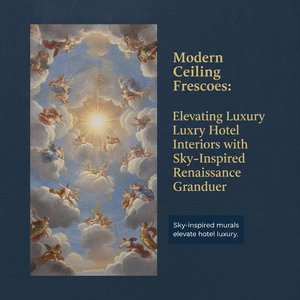
A Symphony of Light and Myth: Exploring Claude Audran III’s Ceiling Decoration
The opulent interiors of Louis XIV and Louis XV France owed much of their grandeur to artists like Claude Audran III, whose mastery of decorative painting elevated the art form into a spectacle of color, texture, and symbolic storytelling. This monumental ceiling decoration, measuring 450 x 370 cm, stands as a testament to the Baroque period’s fascination with theatricality and its belief in art's ability to convey moral lessons alongside aesthetic pleasure.The Baroque Vision: Style and Technique
Audran III’s style embodies the very essence of Baroque artistry – dramatic chiaroscuro (light and shadow), exuberant ornamentation, and a deliberate manipulation of perspective to create an illusionistic depth that captivated viewers. He employed fresco technique, applying pigment directly onto wet plaster, ensuring remarkable durability and vibrancy over centuries. The meticulous layering of colors—primarily blues, golds, and browns—produced a rich tapestry of hues that shimmered under candlelight, transporting the viewer into a realm of aristocratic splendor. Furthermore, Audran III skillfully utilized glazing techniques, applying thin translucent layers of pigment over the underlying fresco to enhance luminosity and achieve subtle tonal variations.A Mythological Narrative: Symbolism and Imagery
The ceiling’s central motif—a colossal sun—immediately establishes its thematic core: divine illumination and royal authority. Radiating outwards in concentric circles, the sun symbolizes Louis XIV's reign as “Sun King,” reflecting his ambition to rule with unwavering strength and righteousness. Surrounding this radiant emblem are figures drawn from classical mythology – cherubs engaged in playful gestures mirroring human behavior—a deliberate allusion to the humanist ideals championed during the Baroque era. The cherub holding a mirror or shield represents wisdom and vigilance, guarding against folly and upholding moral virtue. Similarly, the cherubs clutching scrolls embody law and justice, reinforcing the importance of governance and ethical conduct. Musical instruments like lute and flute underscore themes of harmony and contemplation, suggesting that beauty and intellect should coexist in pursuit of spiritual enlightenment. The inclusion of birds symbolizes freedom and aspiration, elevating the viewer’s gaze towards heavenly realms.Historical Context: Patronage and Artistic Expression
Claude Audran III's work flourished during a period marked by unprecedented royal patronage—Louis XIV actively commissioned artists to embellish palaces and churches throughout France, fostering an environment where artistic innovation thrived. This commission reflects the broader cultural preoccupation with grandeur and magnificence, driven by anxieties about maintaining prestige on the European stage amidst rival powers. The ceiling decoration exemplifies the Baroque’s desire to impress both monarchs and populace alike—a visual declaration of royal power tempered by humanist ideals.Emotional Impact: Capturing Spectacle
Looking upon this breathtaking artwork evokes a profound sense of awe and wonder. The sheer scale of the composition, combined with Audran III's masterful manipulation of light and color, transports the observer to an idealized world—a realm where beauty reigns supreme and moral virtue is celebrated. It’s more than just decoration; it’s an immersive experience designed to inspire contemplation and reaffirm faith in divine providence. The enduring appeal of Claude Audran III’s ceiling decoration lies precisely in its ability to capture the spirit of its time—a testament to the transformative power of art as a vehicle for conveying both visual splendor and profound philosophical ideas.Klausimai ir atsakymai
Kokią nuotaiką „Ceiling decoration“ – Claude Iii Audran suteikia interjerui?
„Ceiling decoration“ – Claude Iii Audran pasižymi Elegant atmosfera ir yra rekomenduojamas Living Room. Nuotaika – tai tai, ką šis kūrinys suteikia aplinkinei erdvėje.
Kur ir kokiam tikslui rekomenduojamas „Ceiling decoration“?
„Ceiling decoration“ – Claude Iii Audran rekomenduojamas Accent, idealiai – Living Room erdvėje. Naudojimo paskirtis ir erdvė padeda suprasti, kur ši reprodukcija tiktų geriausiai.
Kokią nuotaiką „Ceiling decoration“ – Claude Iii Audran išreiškia Baroque Art kontekste?
„Ceiling decoration“ pasižymi Romantic emociniu tonu, būdingu Baroque Art stiliui.
Daugiau informacijos apie šį paveikslą
 Peržiūrėti realaus dydžio版
 Pasidalinti
 Dalintis
 Išsamiau
 Vadovas

 Atsisiųsti
 Panašūs eksponatai
 Rentgeno spindulių nuotrauka
 Automatinė diorama
 问答
问答 Statistika