
 Peržiūrėti realaus dydžio版
 Pasidalinti
 Dalintis
 Išsamiau
 Vadovas

 Atsisiųsti
 Panašūs eksponatai
 Rentgeno spindulių nuotrauka
 Automatinė diorama
 问答
问答 Statistika
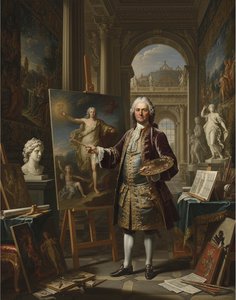
Scena iš „Maestro Andre“ kripto

- 100.0 x 139.0 cm


 Skaityti daugiau
Giclée / Meno spausdinimas
Muziejų lygio „giclée“ arba drobos spausdinimas: greita gamyba ir lankstios apdailos parinktys. ( Pirkti rankų darbo tapybą Perejti prie skaitmeninių vaizdų)




P118B €10

P118H €10

P118W €10

P438Z €10

P508JH €12

P508YH €12

P805H €10

P805Z €10

P919BZ €10

P919G €10

P919XJ €10

P959ZH €10

P968JZ €12

W106C €8

W218G €10

W218JH €8

W218Y €10

W307PJ €10

W316G €10

W316PJ €8

W316Y €10

W398PJ €8

W4111J €10

W500HY €15

W500JH €15

W692G €12

W849H €8

W940BG €15

W953PJ €8




Pasirinkite iš mūsų nustatytų dydžių, atitinkančių originalaus meno kūrinio proporcijas.

Įveskite jums reikiamą plotį ir aukštį, kad atvaizdas derėtų prie jūsų rėmo ar sienos. Spausdiną galima tik sumažinti, bet nepadidinti virš originalaus paveikslėlio dydžio, todėl keičiant proporcijas, dalis vaizdo prarandama. Prieš spausdinimą atsiųsime jums skaitmeninį maketą patvirtinimui. Šioje puslapio nuotraukoje matomas pjūvis nėra tikslus – jį rodo tik maketas.
Pristatymas visame pasaulyje () per 2 weeks, o ne įprastas 4/5 savaičių laikotarpis. (10 lapkritis)

Nemokamas greitasis pristatymas visame pasaulyje

Aukštos kokybės lininis drobė

Pilnas siuntimo draudimas

Muitinės mokesčių grąžinimo garantija

Tikro spalvų atitikimo garantija

100 dienų grąžinimo politika (tik esant įtaigoms)

100% pinigų grąžinimo garantija

Nuolaida dideliems užsakymams
 Stiklo variantas prieinamas tik pasirinkus dydį iki 110 cm

Scena iš „Maestro Andre“ kripto
Giclée / Meno spausdinimas
Reprodukcijos matmenys
-


Bendroji kaina
€ 73
Šedelio Šūdas: Klaudo Giloto „Maestro Andre“ Grabo Vaizdas
Klaudo Gilotas (1673–1722) išsiskiria kaip svarbus dailės veikėjas vėlyvoje Baroko Prancūzijoje, pirmą kartą įvardijama dėl jo meistriškumo Watteau ir Lancret – artistas, kurie itin daug įtakojo jų laikmečio estetinius principus. Jis gimęs Langreje, Burgundijoje, gyvenimas buvo pažymėtas eklektišku mišiniu užsiėmimais – dailės kūrimu, gravišuimu, teatro scenografija ir metalo apdorojimu, parodydamas išskirtinį meistriškumą tuo metu gyvenusiems artistas. Jis pradėjo savo dailės kelią kaip mokytojas Jean Watteau apie 1703 metus, įsisavindamas Watteau stilistinės įtakos į švelnius pastelius vaizdus ir aristokratinius spektaklius – stilių, kuris tapo sinonimu „fête champêtre“ – pastoraliai švenčiantiems spektaklius.
Gilotas teatro pasaulyje buvo labai aktyvus bendradarbiaujant su dramaturgais ir kompozitoriais, kuriuos puošė sudėtingos scenografijos ir kostiumai operoms ir komedijoms, įšildydamas atmosferą spektaklių rengiant. Štai kaip šis aspektas įtakojo jo kūrybą.
Šūdo Stilistinė Vaizdavimų Kompleksybė
Gilotas buvo įvykęs teatro pasaulyje bendradarbiaujant su dramaturgais ir kompozitoriais, kuriuos puošė sudėtingos scenografijos ir kostiumai operoms ir komedijoms, įšildydamas atmosferą spektaklių rengiant. Štai kaip šis aspektas įtakojo jo kūrybą.
Gilotas buvo įvykęs teatro pasaulyje bendradarbiaujant su dramaturgais ir kompozitoriais, kuriuos puošė sudėtingos scenografijos ir kostiumai operoms ir komedijoms, įšildydamas atmosferą spektaklių rengiant. Štai kaip šis aspektas įtakojo jo kūrybą.
Technika Ir Spalvos Gamta
Gilotas buvo įvykęs teatro pasaulyje bendradarbiaujant su dramaturgais ir kompozitoriais, kuriuos puošė sudėtingos scenografijos ir kostiumai operoms ir komedijoms, įšildydamas atmosferą spektaklių rengiant. Štai kaip šis aspektas įtakojo jo kūrybą.
Istorinis Kontextas Ir Simbolizmas
Gilotas buvo įvykęs teatro pasaulyje bendradarbiaujant su dramaturgais ir kompozitoriais, kuriuos puošė sudėtingos scenografijos ir kostiumai operoms ir komedijoms, įšildydamas atmosferą spektaklių rengiant. Štai kaip šis aspektas įtakojo jo kūrybą.
Vaizdo Emocinė Įtaka
Gilotas buvo įvykęs teatro pasaulyje bendradarbiaujant su dramaturgais ir kompozitoriais, kuriuos puošė sudėtingos scenografijos ir kostiumai operoms ir komedijoms, įšildydamas atmosferą spektaklių rengiant. Štai kaip šis aspektas įtakojo jo kūrybą.
Klausimai ir atsakymai
Ką „Scena iš „Maestro Andre“ kripto“ turi bendro su visa Claude Gillot kūryba?
„Scena iš „Maestro Andre“ kripto“ priklauso Claude Gillot Late Baroque Drama kūrybai, kurios įrašytoms temoms priskiriamas watteau's pastoral style, theatre design & drama, religious narrative focus, symbolic gesture importance, artist's baroque legacy.
Kas sukūrė „Scena iš „Maestro Andre“ kripto“?
„Scena iš „Maestro Andre“ kripto“ priskiriamas Claude Gillot.
Kokia yra „Scena iš „Maestro Andre“ kripto“ – Claude Gillot technika ir kūrybos data?
„Scena iš „Maestro Andre“ kripto“ sukurtas 1707 m., naudojant Akrilas ant drobės.
Autoriaus biografija
The Architect of Baroque Splendor
Claude Gillot (1673–1722) remains a luminous figure in the tapestry of late Baroque France, an artist whose versatile hand touched nearly every facet of the visual culture of his era. Born in the historic town of Langres, north of Dijon, Gillot’s early creative impulses were nurtured by his father before he ventured to Paris to refine his craft. His artistic journey was far from linear; he was a true polymath of the arts, moving with ease between the delicate precision of printmaking, the structural demands of metalworking, and the grand-scale imagination required for theatrical design. This multidisciplinary foundation allowed him to approach the canvas not merely as a surface for pigment, and but as a stage where light, movement, and drama could converge.
The trajectory of Gillot’s career was profoundly shaped by his apprenticeship under the legendary Jean Watteau around 1703. From Watteau, he absorbed the ethereal qualities of the emerging fête champêtre style—a genre characterized by pastoral elegance and aristocratic leisure. Yet, while he inherited this delicate sensibility, Gillot infused it with a unique vigor derived from his work in the Parisian theater. His extensive collaborations with playwrights and composers to design elaborate sets and costumes for operas and comedies instilled in him a mastery of visual storytelling. He understood how to direct the viewer's eye through composition, using the theatricality of costume and scenery to breathe life into mythological and contemporary narratives alike.
A Mastery of Myth and Motion
Gillot’s ascent within the prestigious Académie Royale de peinture et de sculpture in 1715 marked a definitive moment in his professional life, signaling his recognition as a master of monumental composition. His breakthrough was anchored by works that celebrated the grandeur of classical antiquity through a contemporary lens. In masterpieces such as “Feast of Pan” and “Feast of Bacchus,” Gillot demonstrated an extraordinary ability to blend the divine with the terrestrial. These canvases were not merely depictions of myth; they were sensory experiences, where the lushness of the landscape met the exuberant energy of mythological revelry.
His technique was characterized by a sophisticated use of color and form that could shift from the soft, dreamlike textures reminiscent of his mentor to a more robust, dramatic Baroque intensity. This versatility allowed him to capture the very essence of the commedia dell’arte, bringing the wit and character of masked performers to life with a sense of spontaneous motion. Through his engravings and paintings, he documented the social graces and theatrical whimsies of the French court, creating a visual record that was as much about the spirit of the age as it was about the subjects themselves.
Legacy of the Rococo Prelude
As the art world began to transition from the heavy grandeur of the Baroque toward the lighter, more intimate aesthetics of the Rococo, Gillot’s influence remained foundational. He served as a vital bridge between generations, influencing later masters such as Lancret by refining the vocabulary of pastoral scenes and theatrical character studies. His ability to marry the structural discipline of classical painting with the whimsical charm of the stage helped define the aesthetic sensibilities of the early 18th century.
Today, the significance of Claude Gillot lies in his role as a creator of atmosphere. Whether through the intricate lines of a print or the sweeping vistas of a mythological feast, his work continues to evoke the vibrant, theatrical pulse of pre-revolutionary France. He remains an artist whose legacy is found not just in individual masterpieces, but in the very way we perceive the intersection of art, theater, and the beautiful artifice of life.

Claude Gillot
1673 - 1722 , France
Trumpa informacija
- Artistic Movement Or Style: Baroque
- Artists Who Influenced This Artist:
- Jean Watteau
- Nicolas Lancret
- Date Of Birth: 1673
- Date Of Death: 1722
- Full Name: Claude Gillot
- Nationality: French
- Notable Artworks:
- The Two Coaches
- Garment time of night
- Italian Comedians
- Place Of Birth: Langres, France
Susiję straipsniai

Baroko Dramatizmas: Elegancijos ir Emocijų Įnešimas į Šiuolaikinius Interjerus
Atraskite baroko dramatiškumą! Meno konsultacijos, rankų darbo reprodukcijos ir patarimai, kaip įnešti eleganciją bei emocijas į jūsų interjerą su OriginalUniqueArt.com. Kokybė garantuota!
Charles Le Brun: Master of French Baroque Classicism & His Enduring Legacy
Explore the life & art of Charles Le Brun, master of French Baroque Classicism. Discover his royal commissions, influence on Versailles, and enduring legacy through detailed analysis & stunning artworks.

Charles-André van Loo: A Study in Rococo Portraiture & the French Court's Artistic Dynamics
Explore the elegant world of Charles-André van Loo, a master of Rococo portraiture at the French court. Discover his life, techniques, and enduring influence on 18th-century art. Hand-painted reproductions available.

Simon Vouet: A Baroque Master's Journey from Italian Influence to French Classicism
Explore the life & art of Simon Vouet, a pivotal French Baroque painter who introduced Italian styles to France. Discover his masterpieces and lasting influence on 17th-century art.

Claude Monet šedevrai: 25 paveikslai, įkvepiantys grožiu ir harmonija
Atraskite 25 įspūdingiausius Claude Monet šedevrus! Sužinokite apie impresionizmą, vandens lelijų paveikslus ir spalvų magiją. Meno reprodukcijos aukščiausia kokybe – OriginalUniqueArt.com. Išsamesnės informacijos rasite internetu.
