
 Peržiūrėti realaus dydžio版
 Pasidalinti
 Dalintis
 Išsamiau
 Vadovas

 Atsisiųsti
 Panašūs eksponatai
 Rentgeno spindulių nuotrauka
 Automatinė diorama
 问答
问答 Statistika
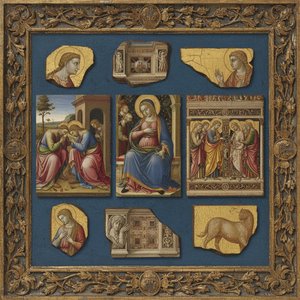
Virgin Enthroned with Angels

- 424.0 x 276.0 cm


 Skaityti daugiau
Giclée / Meno spausdinimas
Muziejų lygio „giclée“ arba drobos spausdinimas: greita gamyba ir lankstios apdailos parinktys. ( Pirkti rankų darbo tapybą Perejti prie skaitmeninių vaizdų)




P118B €10

P118H €10

P118W €10

P438Z €10

P508JH €12

P508YH €12

P805H €10

P805Z €10

P919BZ €10

P919G €10

P919XJ €10

P959ZH €10

P968JZ €12

W106C €8

W218G €10

W218JH €8

W218Y €10

W307PJ €10

W316G €10

W316PJ €8

W316Y €10

W398PJ €8

W4111J €10

W500HY €15

W500JH €15

W692G €12

W849H €8

W940BG €15

W953PJ €8




Pasirinkite iš mūsų nustatytų dydžių, atitinkančių originalaus meno kūrinio proporcijas.

Įveskite jums reikiamą plotį ir aukštį, kad atvaizdas derėtų prie jūsų rėmo ar sienos. Spausdiną galima tik sumažinti, bet nepadidinti virš originalaus paveikslėlio dydžio, todėl keičiant proporcijas, dalis vaizdo prarandama. Prieš spausdinimą atsiųsime jums skaitmeninį maketą patvirtinimui. Šioje puslapio nuotraukoje matomas pjūvis nėra tikslus – jį rodo tik maketas.
Pristatymas visame pasaulyje () per 2 weeks, o ne įprastas 4/5 savaičių laikotarpis. (11 lapkritis)

Nemokamas greitasis pristatymas visame pasaulyje

Aukštos kokybės lininis drobė

Pilnas siuntimo draudimas

Muitinės mokesčių grąžinimo garantija

Tikro spalvų atitikimo garantija

100 dienų grąžinimo politika (tik esant įtaigoms)

100% pinigų grąžinimo garantija

Nuolaida dideliems užsakymams
 Stiklo variantas prieinamas tik pasirinkus dydį iki 110 cm

Virgin Enthroned with Angels
Giclée / Meno spausdinimas
Reprodukcijos matmenys
-


Bendroji kaina
€ 72
A Dawn of Innovation: Cimabue’s Virgin Enthroned with Angels
Giovanni Cimabue, born Cenni di Pepo around 1240 in Florence, represents a pivotal moment in the artistic landscape—a courageous leap from the rigid formalism of Byzantine iconography towards the burgeoning humanist spirit that would soon characterize the Italian Renaissance. While Vasari’s accounts portray him as a figure shrouded in myth and legend, scholarly research confirms Cimabue's significance as a trailblazer who subtly challenged established conventions, laying the groundwork for transformative developments in Western art. His nickname, “bull-headed,” aptly captures his unwavering determination—a quality evident in his audacious experimentation with form and expression. He wasn’t merely replicating religious imagery; he was actively reshaping it, initiating a dialogue between tradition and innovation that would resonate throughout subsequent generations of artists.The Byzantine Legacy Reflected
Cimabue's artistic vision firmly rooted itself within the traditions of Byzantium—the Eastern Roman Empire—which dominated European art for centuries prior to his time. Like many Florentine painters of his era, Cimabue drew inspiration from the monumental mosaics and frescoes adorning churches in Constantinople (modern Istanbul), prioritizing clarity of line and flattened perspective to convey spiritual grandeur. The influence of Byzantine iconography is palpable in Cimabue’s depiction of Mary—a serene Madonna seated upon a throne crafted with meticulous detail, embodying divine majesty. This deliberate stylistic choice underscores the importance of preserving sacred imagery while simultaneously hinting at a desire for artistic advancement.A Masterpiece of Fresco Technique
Cimabue's *Virgin Enthroned with Angels* exemplifies the mastery of fresco technique—a method involving applying pigment onto wet plaster—which was considered the pinnacle of painting achievement during the 13th century. The artist skillfully utilized tempera pigments mixed with lime to achieve vibrant colors and luminous effects, creating a surface that appears remarkably durable despite its age. Careful observation reveals subtle gradations of tone and texture, demonstrating Cimabue’s meticulous attention to craftsmanship. This technique ensured that the painting would withstand the passage of time, preserving its beauty for centuries to come—a testament to Cimabue's dedication to artistic excellence.Symbolism Embodied in Detail
Beyond its technical prowess, *Virgin Enthroned with Angels* is rich in symbolic meaning. The throne itself represents divine authority and permanence, reflecting Mary’s role as Queen of Heaven. The angels surrounding the Virgin are depicted with graceful drapery and expressive gestures—symbols of humility and devotion—emphasizing the sanctity of the scene. Furthermore, the inclusion of prophets adds to the narrative complexity, reminding viewers of God's promise of salvation. Cimabue’s masterful composition skillfully communicates theological concepts through visual elements, elevating the artwork beyond mere representation into a profound meditation on faith and spirituality.Emotional Resonance: A Window Into Medieval Devotion
The painting evokes a powerful emotional response—a sense of serenity and reverence that speaks to the enduring appeal of medieval religious art. The luminous gold leaf adorning the throne and draperies imbues the image with an ethereal glow, transporting viewers back to a time when faith permeated every aspect of daily life. Cimabue’s depiction captures not only the visual splendor of Byzantine tradition but also its underlying spiritual essence—a legacy that continues to inspire artists and collectors alike. The *Virgin Enthroned with Angels* stands as a timeless masterpiece—a poignant reminder of humanity's yearning for transcendence and divine grace.Klausimai ir atsakymai
Kokie kiti pseudonimai arba alternatyvūs vardai priklauso Čimabujo?
Kiti Čimabujo, „Virgin Enthroned with Angels“ kūrybos autoriaus, vardai apima Giovanni Cimabue, Cenni Di Pepo, Cenni Di Pepi.
Kokia „Virgin Enthroned with Angels“ – Čimabujo orientacija?
„Virgin Enthroned with Angels“ – Čimabujo yra Portrait kompozicija. Prieš renkantis spausdinimo dydį, verta patikrinti proporcijas.
Ar yra galima peržiūrėti „Virgin Enthroned with Angels“ – Čimabujo asmenines nuotraukų rodyklę?
„Virgin Enthroned with Angels“ diapora prieinama puslapio Slaydšou kūrinio apžvalgos skiltyje.
Susiję straipsniai

Embodying the Polis: Civic Virtue as Subject & Symbol in Western Art
Explore the fascinating history of civic virtue in Western art! From ancient Greece to the French Revolution, discover how artists depicted ideals of citizenship, duty & republicanism. Expert analysis at OriginalUniqueArt.
Proto-Renaissance Masters: 10 Artworks That Changed History | OriginalUniqueArt
Journey back to the dawn of Renaissance art! Explore 10 iconic Proto-Renaissance masterpieces by Giotto, Cimabue & Duccio. Discover their stories, techniques & lasting impact. Find museum-quality reproductions for your home at OriginalUniqueArt.com

25 Masterpieces of the Sistine Chapel: A Journey Through Michelangelo's Divine Art
Step into the divine beauty of the Sistine Chapel. Explore 25 iconic Renaissance masterpieces by Michelangelo and more. From breathtaking frescoes to timeless legends, find inspiration for museum-quality art reproductions. Discover all masterpieces on OriginalUniqueArt.com.

25 Masterpieces of the Sistine Chapel: A Journey Through Michelangelo's Divine Art
Step into the divine beauty of the Sistine Chapel. Explore 25 iconic Renaissance masterpieces by Michelangelo and more. From breathtaking frescoes to timeless legends, find inspiration for museum-quality art reproductions. Discover all masterpieces on OriginalUniqueArt.com.

Simone Martini: Innovation, Spirituality & Courtly Refinement in Sienese Painting
Explore the captivating world of Simone Martini, a pivotal figure in Sienese painting & the International Gothic style. Discover his innovative techniques, spiritual depth, and lasting influence on early Renaissance art.


