
 Pasidalinti
 Dalintis
 Išsamiau

 Atsisiųsti
 Panašūs eksponatai
 Automatinė diorama
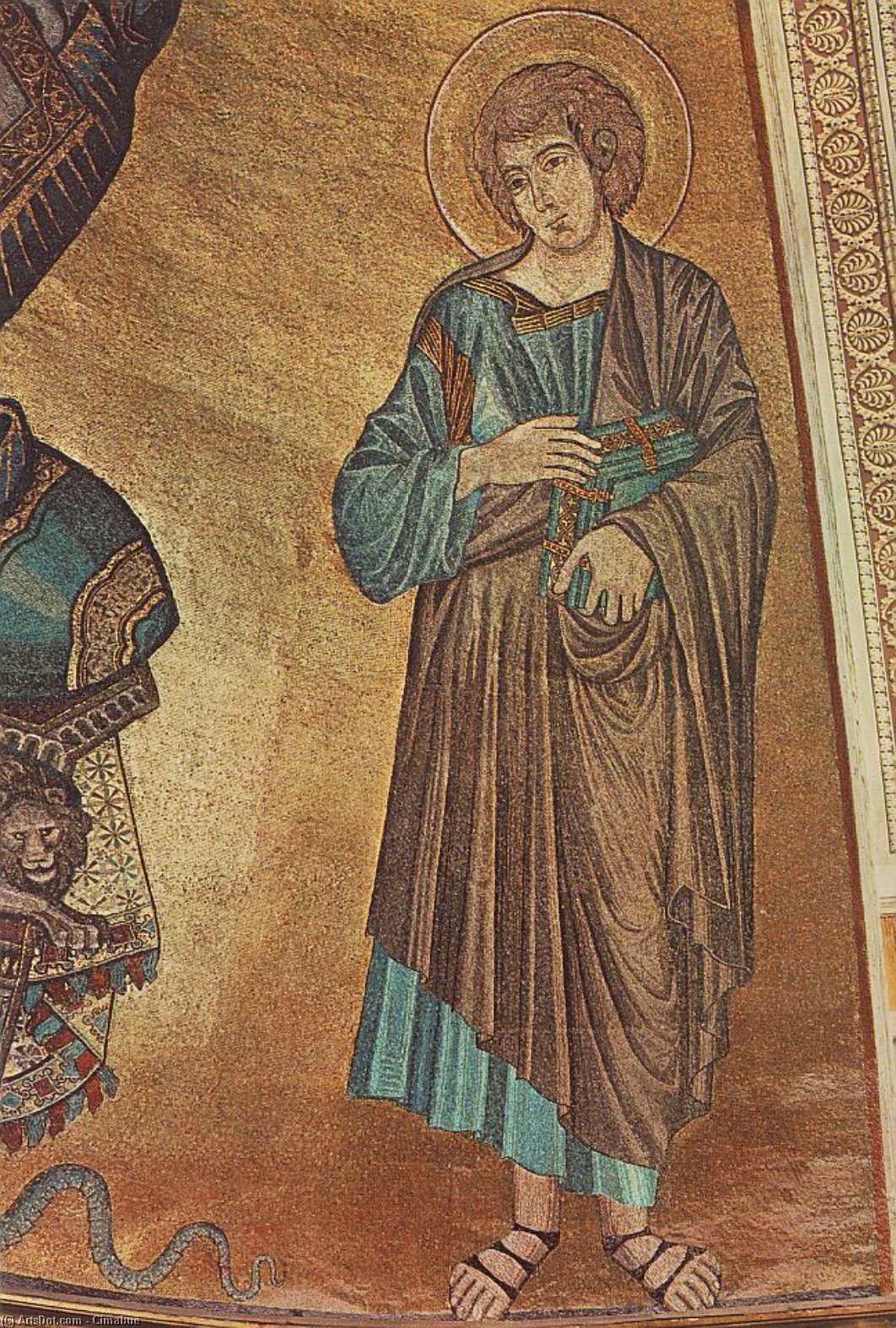
Christ Enthroned between the Virgin and St John the Evangelist (detail)
 Mozaika
- Dekoras
- Italian Gothic Revival
 1301
1301 385.0 x 223.0 cm
 Muso dell'Opera del Duomo
 Skaityti daugiau
Įsigykite aukštos skiriamosios raiškos, patobulintą skaitmeninį vaizdą, gerokai pranašesnį už internetinę peržiūrą.
Kiekvieną failą mūsų specialistai kruopščiai paruošia naudojant pažangias technologijas ir profesionalų rankinį retušavimą. Užtikriname, kad kiekvienas vaizdas pasižymėtų išskirtiniu aiškumu, tikslia spalvų atspalviu ir smulkiomis detalėmis.
Baigiamas failas el. paštu pristatomas per 72 valandas; jis optimizuotas nedelsiant naudojimui profesionalioje, redakcinėje ir spausdinimo aplinkoje. Tai ta pati kokybė, kuria pasitiki aukščiausios klasės dizaino studijos, leidyklos ir galerijos.
Skaitmeninis vaizdas
Atsisiųskite didelės raiškos failą asmeniniam naudojimui, spausdinimui ir kūrybiniams projektams. ( Pirkti spaudinį Pirkti rankomis tapytą paveikslą)
Kiekvieną skaitinio vaizdo užsakymą papildė
Profesionalus skaitmeninis pristatymas, garantuotas
Pasirinkę OriginalUniqueArt.com, jūs ne tik gaunate paveikslėlį – jūs gaunate profesionaliai patobudintą skaitmeninį kūrinį, sukurtą itin tikniai ir užtikrinantį pasitenkinimą. Štai viską, kas automatiškai pritékia jūsų užsakymui:

Greitas siuntimas el. paštu
Jūsų aukštos raiškos skaitmeninis vaizdo failas bus išsiųstas jums el. paštu per 72 valaudas nuo užsakymo – paruoštas naudojimui be jokių papildomų veiksmų.

Skaitmeninis failas su dirbtiniu intelektu
Jūsų meno kūrinys profesionaliai optimizuojamas naudojant pažangius dirbtinio intelekto įrankius ir rankinį redagavimą, užtikrinant maksimalią detalę, aiškumą ir spalvų tikslumą.

Nemokamas visam laikui pakartotinis siuntimas
Atsitiktinai ištrytikote ar praradote savo failą? Nebijokite – bet kuriuo metu atsiųsime jį jums vėl nemokamai.

Jokio importo mokesčio – niekada
Mėgaukitės savo meno kūriniu akimirka – skaitiniai failai visada yra neapmokestinami, todėl nereikės mokėti muitinės, mokesčių ar pristatymo mokesčių.

Spalvų tikslumo garantija
Naudodami profesionalią įrangą ir spalvų valdymo sistemas, užtikriname, kad jūsų skaitmeninis vaizdas kuo tiksliau atspindėtų originalias spalvas.

60 dienų pasitenkinimo garantija
Jei nebuvate patenkinti savo skaitinio vaizdo, per 60 dienų jį pertaisysime arba grąkinsime 100% sumą – be jokių klausimų.

100% pinigų grąžinimo garantija
Nepat 만족inti? Gaukite visą sumokėtą sumą per 60 dienų nuo skaitmeninio failo gavimo – be jokių papildomų klausimų.

Nuolaidos dideliems užsakymams
Pirkti 3 nuotraukas – pasiūla 10% - Pirkti 5 – pasiūla 15% - Pirkti 10 ir daugiau – pasiūla 20%. Puikiai tinka kūrybiniams projektams, galerijoms bei agentūroms.
Kolekcinio objekto aprašymas
Giovanni Cimabue: A Pioneer Bridging Byzantium and Renaissance
Giovanni Cimabue (c. 1240 – 1302), born Cenni di Pepo in Florence, stands as a monumental figure—a bridge between the established artistic traditions of the Byzantine world and the burgeoning innovations that would define the Italian Renaissance. His life, though partially obscured by time and romanticized accounts – most notably those penned by Giorgio Vasari centuries later – marks an undeniable turning point in Western art history. Cimabue wasn’t simply a painter; he was a courageous innovator who dared to subtly challenge artistic conventions, laying the groundwork for the revolutionary changes that would soon sweep across Italy. Even his nickname, believed to mean “bull-headed,” hints at a strong will and perhaps a rebellious spirit—qualities demonstrably present in his willingness to experiment with form and expression.
Compared with the norms of medieval art, Cimabue’s works possess remarkable lifelike figural proportions and a more sophisticated use of shading to suggest volume. This departure from Byzantine stylistic rigidity wasn't merely aesthetic preference; it represented a fundamental rethinking of how artists approached representation. Cimabue meticulously studied Byzantine mosaics—particularly those adorning churches in Constantinople—absorbing their compositional principles and mastering the techniques of tessellation, painstakingly assembling small colored squares of glass or stone to create dazzling surfaces.
The St John Altarpiece: A Testament to Innovation
Perhaps Cimabue’s most celebrated achievement is “St John Altarpiece,” completed around 1479 by Hans Memling. Although Memling adopted the Northern Renaissance style, Cimabue's influence can be discerned in Memling's masterful depiction of St John the Evangelist—a figure rendered with unprecedented realism and psychological depth. The altarpiece exemplifies Cimabue’s legacy: a synthesis of Byzantine grandeur and humanist observation.
The image itself showcases a mosaic style, characterized by shimmering gold accents applied to the figures' clothing – a deliberate homage to Byzantine iconography where gold symbolized divine glory. Cimabue skillfully employed layering techniques and subtle gradations of color to create an illusion of three-dimensionality, pushing beyond the flattened surfaces typical of earlier medieval art.
Symbolism and Spiritual Significance
Beyond mere stylistic innovation, Cimabue’s work is imbued with profound spiritual symbolism. The central figure of Christ embodies divine majesty, seated upon a throne adorned with rich drapery—a visual representation of God's sovereignty. To his left stands the Virgin Mary, holding the infant Jesus – symbolizing purity and maternal compassion. St John the Evangelist, positioned on the right, represents repentance and humility, clutching a scroll bearing the Gospel text.
Notably, Cimabue incorporated elements that resonated with medieval cosmology—a snake coiled at the base of the throne, representing temptation and evil but ultimately subdued by Christ’s triumph. Two birds perched atop the altar symbolize hope and divine providence, underscoring the altarpiece's overarching message of salvation.
A Lasting Impression
Cimabue’s influence extended far beyond his own lifetime, shaping the artistic sensibilities of subsequent generations. His pioneering approach to form and shading paved the way for artists like Masaccio and Piero della Francesca—figures who would usher in the High Renaissance—solidifying Cimabue's place as one of the foundational architects of Western art.
Reproductions of “Christ Enthroned between the Virgin and St John” offer a captivating glimpse into this pivotal moment in artistic history, allowing viewers to appreciate Cimabue’s visionary genius and its enduring impact on the visual culture of Europe.
Autoriaus biografija
Giovanni Cimabue: Grandfather of the Italian Renaissance
Giovanni Cimabue, born Cenni di Pepo around 1240 in Florence, stands as a monumental figure—a bridge between the established artistic traditions of the Byzantine world and the burgeoning innovations that would define the Italian Renaissance. His life, though partially obscured by time and romanticized accounts – most notably those penned by Giorgio Vasari centuries later – marks an undeniable turning point in Western art history. Cimabue wasn’t simply a painter; he was a courageous innovator who dared to subtly challenge artistic conventions, laying the groundwork for the revolutionary changes that would soon sweep across Italy. Even his nickname, believed to mean “bull-headed,” hints at a strong will and perhaps a rebellious spirit—qualities demonstrably present in his willingness to experiment with form and expression. He represents a crucial moment where art began to shift from being solely devotional imagery towards something more humanistic and emotionally resonant.Early Influences and Artistic Development
Initially immersed in the Italo-Byzantine style prevalent throughout Florence, Cimabue’s early work adhered closely to established aesthetic principles: flattened figures adorned with shimmering gold leaf, symbolic rather than realistic depictions of space, and a profound focus on religious iconography. However, even within these constraints, a nascent desire for naturalism began to emerge. He wasn't content merely replicating existing forms; he sought to imbue his paintings with a greater sense of life and emotional depth. While the precise nature of his early training remains debated, it’s likely he honed his skills within Florentine workshops, absorbing the techniques and influences of the time while simultaneously developing his own unique artistic voice. The Byzantine style, characterized by its formality and spiritual focus, provided him with a solid foundation, but Cimabue began to subtly introduce elements that would foreshadow the coming Renaissance—a greater attention to volume, more expressive facial features, and a nascent understanding of spatial relationships. This wasn’t a sudden break from tradition, but rather a gradual evolution, a delicate balancing act between honoring the past and embracing new possibilities.Masterpieces and Artistic Innovations
Cimabue's legacy is cemented through a series of breathtaking works that showcase his evolving style. The *Maestà* (Louvre), originally created for the Church of San Francesco in Pisa, stands as one of his most celebrated masterpieces. This monumental altarpiece exemplifies his mastery of composition and use of color, while simultaneously hinting at the shift away from rigid Byzantine conventions. The figures, though still possessing a degree of formality, exhibit a newfound sense of volume and presence. The *Crucifixion* (San Domenico, Arezzo), dating around 1270, is particularly significant as an early demonstration of his departure from strict Byzantine norms. Here, the proportions are more realistic, and the emotional weight of the scene is palpable—a stark contrast to the often-distant depictions found in earlier religious art. Further evidence of Cimabue’s innovative spirit can be seen in works like the *Flagellation of Christ* (Frick Collection), generally attributed to his workshop. This complex composition reveals an evolving understanding of perspective and spatial relationships, showcasing a growing interest in creating more immersive and believable scenes. His contributions weren't limited to panel paintings; Cimabue also excelled as a mosaicist, contributing significantly to the decoration of the Baptistery of Florence—though these mosaics have unfortunately suffered from deterioration over time.A Pivotal Teacher: Giotto and Beyond
Perhaps Cimabue’s most enduring legacy lies in his role as the teacher of Giotto di Bondone. While historical accounts vary regarding the exact nature of their relationship, it is widely accepted that Giotto received crucial training under Cimabue's guidance. However, Giotto would ultimately surpass his master, revolutionizing Italian painting with an even more radical embrace of naturalism and emotional realism. It’s a testament to Cimabue’s skill as a teacher that he fostered such talent, even knowing it might eclipse his own achievements. The story, often recounted by Vasari, of Giotto playfully painting a fly on Cimabue's face speaks volumes about the dynamic between master and pupil—a playful rivalry that ultimately pushed both artists to greater heights. Cimabue’s influence extended beyond Giotto, impacting numerous other artists of the period. He challenged the artistic norms of his time, demonstrating that art could be more than just religious symbolism; it could also reflect human emotion and experience. His willingness to experiment with form, proportion, and expression paved the way for the innovations of the Renaissance, establishing him as a crucial transitional figure in the history of Western art.Enduring Significance
Cimabue passed away in 1302 in Pisa, leaving behind a body of work that continues to captivate and inspire. Despite his significant contributions, details surrounding his later life remain scarce. However, Cimabue’s artistic legacy resonates powerfully through the works of his students and the evolution of Italian art. He represents a crucial step in the development of Western painting, moving away from the stylized conventions of the Byzantine era towards a more humanistic and naturalistic approach. His paintings are not merely historical artifacts; they are windows into a pivotal moment in artistic history—a time when artists began to question established norms and explore new possibilities. He was a pioneer, a visionary who dared to challenge the status quo and lay the foundations for the artistic brilliance that would define the Renaissance. Cimabue’s work reminds us that even within tradition, there is always room for innovation, and that true artistry lies in the courage to push boundaries and explore new horizons.
Čimabujė
1240 - 1302 , إيطاليا
Trumpai apie šį kūrėją
- Artistic Movement Or Style: Byzantine & Renaissance
- Artists Who Influenced This Artist:
- Nicolo Pisano
- Giunta Pisano
- Date Of Birth: c. 1240
- Date Of Death: 1302
- Full Name: Giovanni Cimabue
- Nationality: Italian
- Notable Artworks:
- Maestà
- Crucifixion
- Flagellation of Christ
- Place Of Birth: Florence, Italy

