
 Peržiūrėti realaus dydžio版
 Pasidalinti
 Dalintis
 Išsamiau
 Vadovas

 Atsisiųsti
 Panašūs eksponatai
 Rentgeno spindulių nuotrauka
 Automatinė diorama
 问答
问答 Statistika
Portrait of Robert Morris


 Skaityti daugiau
Giclée / Meno spausdinimas
Muziejų lygio „giclée“ arba drobos spausdinimas: greita gamyba ir lankstios apdailos parinktys. ( Pirkti rankų darbo tapybą Perejti prie skaitmeninių vaizdų)




P118B €10

P118H €10

P118W €10

P438Z €10

P508JH €12

P508YH €12

P805H €10

P805Z €10

P919BZ €10

P919G €10

P919XJ €10

P959ZH €10

P968JZ €12

W106C €8

W218G €10

W218JH €8

W218Y €10

W307PJ €10

W316G €10

W316PJ €8

W316Y €10

W398PJ €8

W4111J €10

W500HY €15

W500JH €15

W692G €12

W849H €8

W940BG €15

W953PJ €8




Pasirinkite iš mūsų nustatytų dydžių, atitinkančių originalaus meno kūrinio proporcijas.

Įveskite jums reikiamą plotį ir aukštį, kad atvaizdas derėtų prie jūsų rėmo ar sienos. Spausdiną galima tik sumažinti, bet nepadidinti virš originalaus paveikslėlio dydžio, todėl keičiant proporcijas, dalis vaizdo prarandama. Prieš spausdinimą atsiųsime jums skaitmeninį maketą patvirtinimui. Šioje puslapio nuotraukoje matomas pjūvis nėra tikslus – jį rodo tik maketas.
Pristatymas visame pasaulyje () per 2 weeks, o ne įprastas 4/5 savaičių laikotarpis. (5 lapkritis)

Nemokamas greitasis pristatymas visame pasaulyje

Aukštos kokybės lininis drobė

Pilnas siuntimo draudimas

Muitinės mokesčių grąžinimo garantija

Tikro spalvų atitikimo garantija

100 dienų grąžinimo politika (tik esant įtaigoms)

100% pinigų grąžinimo garantija

Nuolaida dideliems užsakymams
 Stiklo variantas prieinamas tik pasirinkus dydį iki 110 cm

Portrait of Robert Morris
Giclée / Meno spausdinimas
Reprodukcijos matmenys
-


Bendroji kaina
€ 72
A Vision of American Eminence
In the quiet dignity of Charles Willson Peale’s Portrait of Robert Morris, we encounter more than just a likeness; we step into the very heart of the American Enlightenment. The painting presents a middle-aged man seated with an air of composed authority, his presence commanding the frame through a masterful balance of realism and poise. As one gazes upon the subject, there is an immediate sense of the weight of history held within his steady gaze. This is not merely a study of a man, but a window into the era of the American Revolution, where the faces of prominent figures served as the living architecture of a new nation.
The composition is anchored by a profound sense of stability. Seated in a formal armchair, the subject occupies a central position that radiates importance. Peale utilizes a subtle one-point perspective, guiding the eye toward a blurred background where the architectural hints of a classical building emerge from the soft atmosphere. This use of atmospheric perspective creates a breathtaking depth, suggesting a world that extends far beyond the canvas, while simultaneously focusing all emotional intensity upon the man himself. The interplay of light and shadow—a directional glow descending from the upper left—sculpts the contours of his face and the heavy folds of his attire, lending a three-dimensional vitality to the oil on canvas.
The Precision of Neoclassical Mastery
To appreciate this work is to admire the meticulous discipline of the Neoclassical style. Peale, having refined his craft under the legendary Benjamin West in London, brought a European sophistication to the American frontier. Every line in this portrait is deliberate; the crisp edges of the subject's clothing and the exacting detail of his features reflect a commitment to truth and order. There is no unnecessary flourish here, only the pursuit of an idealized realism that honors the subject’s character through precision.
The technical execution reveals the artist's sophisticated use of layered glazes. By applying thin, translucent veils of oil paint, Peale achieved a luminous depth that seems to glow from within. This technique allows the textures of the heavy fabric and the subtle warmth of human skin to resonate with a lifelike quality. For the discerning collector or interior designer, this painting offers a rich tactile experience for the eyes; the smooth, polished surface and the nuanced transitions between light and shadow provide a sophisticated focal point that complements both classical and contemporary grand interiors.
A Legacy of Character and Command
Beyond the technical brilliance lies the profound symbolism of status and civic duty. The formal pose and the dignified attire are carefully chosen signifiers of Robert Morris’s standing within the colonial hierarchy. In an age where portraiture functioned as a vital tool for documenting the legitimacy of new leadership, Peale captures the essence of authority. The painting evokes a sense of permanence, making it an ideal acquisition for those who seek to surround themselves with art that embodies strength, intellect, and historical continuity.
For anyone looking to curate a space of distinction, this reproduction offers an emotional resonance that transcends time. It invites contemplation on the virtues of the past—reason, order, and patriotism. Whether placed in a private library, a formal study, or a sophisticated gallery setting, the Portrait of Robert Morris serves as a timeless testament to the enduring power of the human spirit and the foundational elegance of American art history.
Klausimai ir atsakymai
Ar „Portrait of Robert Morris“ – Čarlzas Vilsonas Pīlas spalvos yra ryškios ar blėdžios?
Kūrinys „Portrait of Robert Morris“ – Čarlzas Vilsonas Pīlas pasižymi Muted nasyginimu ir Monochromatic intensyvumu.
Kokią spalvų paletę naudoja „Portrait of Robert Morris“ – Čarlzas Vilsonas Pīlas?
„Portrait of Robert Morris“ spalvos sudaro Earthy paletę. Ši klasifikacija aprašo dominuojančias spalvų grupes.
Ar galėčiau „Portrait of Robert Morris“ peržiūrėti kaip pilno ekrano nuotraukų rodyklę?
Galima peržiūrėti nuotraukų rodyklę: Slaydšou puslapį kūriniam „Portrait of Robert Morris“ – Čarlzas Vilsonas Pīlas.
Autoriaus biografija
Charles Willson Peale: Gyvenimas, menas ir patriotizmas
Charles Willson Peale (1741–1827) – iškili figūra amerikietiškos dailės istorijoje, žinomas ne tik kaip talentingas portretistas, bet ir kaip aštrus stebėtojas, mokslininkas bei Amerikos kultūros pradininkas. Jo gyvenimas atspindi XVIII amžiaus pabangos ir XIX amžiaus pradžios intelektualinius pokyčius, o kūryba – naujai gimstančios tautos idealus ir ambicijas. Peale’s vardas neatsiejamai susietas su JAV revoliucijos herojų įvaizdžiais, tačiau jo veikla apėmė gerokai platesnį spektrą nei tik tapyba – jis aktyviai dalyvavo mokslo populiarinime ir steigė vieną pirmųjų Amerikos muziejų.
Ankstyvieji gyvenimo etapai ir meninis ugdymas
- Peale’s ankstyvasis gyvenimas buvo žymimas finansinėmis sunkumais po tėvo mirties. Prieš atradęs aistrą menui, jis išmoko odininkystės amato.
- Pradinį dailės ugdymą Peale gavo pas John Hesselius ir trumpai studijavo pas John Singleton Copley, rodydamas natūralų polinkį portretinei tapybai.
- Svarbus etapas jo kūrybiniame formavimesi buvo studijos pas Benjamin West Londone (1767–1770). Šis susipažinimas su europietiškomis meno tendencijomis turėjo reikšmingos įtakos jo stilistikai.
Meninė karjera ir pagrindiniai darbai
- Portretinė tapyba: Peale labiausiai žinomas dėl savo portretų, kuriuose atvaizduoti žymūs Amerikos revoliucijos veikėjai, įskaitant daugybę George’o Washingtono portretų (apie šešiasdešimt). Šie portretai yra vertingi istoriniai dokumentai ir kartu meninės vertės kūriniai.
- Stilius: Jo stilius kito bėgant laikui, iš pradžių buvo paveiktas Westo neoklasicizmo, tačiau vėliau įtraukė realizmo elementų ir norą tiksliai perteikti modelio išvaizdą.
- Pagrindiniai darbai:
- George Washington (1772): Žymėjo ilgo Peale’s bendradarbiavimo su Washingtonu pradžią.
- The Staircase Group (apie 1795): Įspūdingas trompe l'oeil pavyzdys, kuriame jo sūnūs Raphael ir Titian vaizduojami tarsi integruoti į architektūrinę aplinką.
Moksliniai pomėgiai ir Peale’s Amerikos muziejus
- Peale buvo aštrus gamtininkas ir mokslininkas, organizavęs ekspedicijas gamtos istorijai tirti.
- 1784 metais Filadelfijoje jis įkūrė Peale’s Amerikos muziejų – vieną pirmųjų muziejų Jungtinėse Valstijose. Jame buvo saugoma botaninių, biologinių ir archeologinių eksponatų kolekcija.
- Muziejus turėjo reikšmingos įtakos populiarinant mokslą ir švietimą Amerikoje. Peale ypač žinomas dėl savo mastodontų kaulų ekspozicijų, gautų per 1801 metų ekspediciją.
- Jis savarankiškai išmoko taksidermijos, kad galėtų konservuoti eksponatus muziejui, demonstruodamas savo įvairiapusius talentus.
Palikimas ir istorinę reikšmę
- Peale’s darbai jungia meną ir mokslą, atspindėdami jo epochos apšvietimo idealus.
- Jo portretai suteikia vertingų vizualinių įrašų apie svarbias istorines figūras Amerikos istorijoje.
- Peale’s Amerikos muziejaus įkūrimas buvo novatoriška pastanga, padėjusi įtvirtinti muziejų kaip svarbią švietimo ir mokslinių tyrimų instituciją.
- Jis turėjo įtakos vėlesnės kartos menininkams ir mokslininkams, reikšmingai prisidėdamas prie amerikietiškos kultūros plėtros.
- Jo šeimos palikimas tęsiasi per jo sūnus, įskaitant James Peale ir Rubens Peale, kurie taip pat tapo talentingais menininkais ir prisidėjo prie muziejaus kolekcijos.

Čarlzas Vilsonas Pīlas
1741 - 1827 , Jungtinė Karalystė
Trumpa informacija
- Gimimo Data: 1741 balandžio 15 d.
- Gimimo Vieta: Česteris, Jungtinė Karalystė
- Meninis Stilius: Neoklasicizmas
- Mirties Data: 1827 vasario 22 d.
- Pilietybė: Amerikietis
- Pilnas Vardas: Charles Willson Peale
- Įtakoję Menininkai:
- John Hesselius
- John Singleton Copley
- Benjamin West
- Žymiausi Darbai:
- Staircase Group
- George Washington portretai
Susiję straipsniai

Charles Willson Peale: Portraiture, Enlightenment Ideals & Shaping American Identity
Explore the life & art of Charles Willson Peale – Revolutionary portraitist, scientist, and founder of America’s first museum. Discover his iconic paintings of Washington & the Enlightenment ideals that shaped a nation.

Charles Bird King: Capturing Native American Dignity Through Portraiture & Cultural Exchange
Explore the captivating portraits of Charles Bird King, renowned for his depictions of Native American leaders. Discover the historical context, artistic techniques, and collecting value of these significant 19th-century artworks.
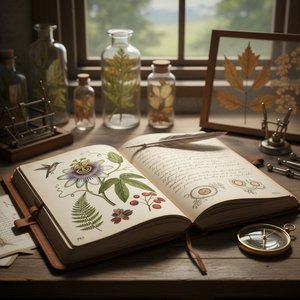
Titian Ramsay Peale II: A Legacy of Botanical Precision & Artistic Innovation
Explore the life & art of Titian Ramsay Peale II, a master of botanical precision and wildlife painting. Discover his legacy bridging art & natural history at OriginalUniqueArt.

American Realism's Defining Works: 10 Masterpieces for Your Home
Explore 10 defining American Realism masterpieces – Hopper, Homer & more. Discover the stories behind these iconic paintings and bring timeless art to your home with OriginalUniqueArt's museum-quality reproductions. Explore the full collection online.

Grant Wood & American Regionalism: Identity, Myth & the Rural Landscape
Explore the world of Grant Wood & American Regionalism with OriginalUniqueArt. Discover the symbolism behind 'American Gothic', recurring themes, and the movement's lasting impact on art history. High-quality reproductions available.