Peržiūrėti realaus dydžio版
 Siųsti
 Dalintis
 Išsamiau
 Vadovas

 Atsisiųsti
 Panašūs eksponatai
 Rentgeno spindulių nuotrauka
 Diaporama
 Statistika
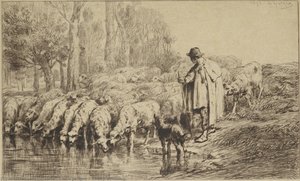
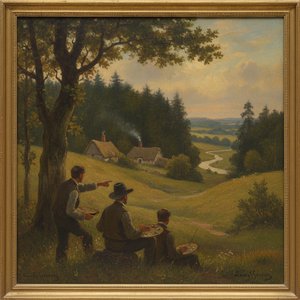
The Sheepfold
 Barbizon School
 1857
1857 46.0 x 92.0 cm
 Rodyti daugiau
Rankų darbo aliejinės reprodukcijos
Rankiniu būdu tapytas aliejus ant droblio jūsų pageidaujamame dydį ir rėmuose – mūsų menininkų darbas pagal užsakymą. ( Perjungti į spausdinimą Perejti prie skaitmeninių vaizdų)




































Pasirinkite iš mūsų nustatytų dydžių, atitinkančių originalaus meno kūrinio proporcijas.

Įveskite jums reikiamą plotį ir aukštį, kad paveikslas atitiktų jūsų rėmą ar sieną. Kadangi šis darbas yra rankinio darbo, siekiant išgauti kitokio formos dydį, paveikslas gali būti šiek tiek didesnis (nuo kraštų bus palikta daugiau erdvės) arba mažesnis – pasirinkite jums patogiausią variantą. Prieš pradedant tapyti, atsiųsime jums skaitmeninį maketą patvirtinimui. Šioje puslapio nuotraukoje matomas vaizdas nėra galutinis rezultatas – jį parodys tik sukurtas maketas.
Gavus užsakymą, OriginalUniqueArt.com komanda susisieks su klientu el. paštu dėl instrukcijų ir pateiks maketo pavyzdį
Pristatymas visame pasaulyje () per 3–4 savaites, o ne įprastai – per 5 savaites. (24 spalis). Kokybė lieka nepakeičiama.

Nemokamas greitasis pristatymas visame pasaulyje

Aukštos kokybės lininis drobė

Pilnas siuntimo draudimas

Muitinės mokesčių grąžinimo garantija

Tikro spalvų atitikimo garantija

100 dienų grąžinimo politika (tik esant įtaigoms)

100% pinigų grąžinimo garantija

Nuolaida dideliems užsakymams
 Stiklo variantas prieinamas tik pasirinkus dydį iki 110 cm

The Sheepfold
Reprodukcijos technika
Reprodukcijos dydis
-


Visų pasirinktų variantų kaina
€ 263
问答 (or more naturally for a website heading): Klausimai ir atsakymai
Ar „The Sheepfold“, autorius – Karolis Emilė Žak spalvos yra ryškios ar išblukusios?
Kūrinys „The Sheepfold“, autorius – Karolis Emilė Žak užfiksuotas su Subtle Color nasyginimu.
Kokia yra „The Sheepfold“, autorius – Karolis Emilė Žak spalvų identowość?
„The Sheepfold“, autorius – Karolis Emilė Žak spalvų identitetas: Earthy paletė, kurioje dominuoja Espresso (#583b1c).
Kaip „The Sheepfold“ spalvos dera vienas su kitu?
„The Sheepfold“ spalvų harmonija yra įrašyta kaip Unified Palette.
Autoriaus biografija
Gyvenimas, į šaknus įsišaknijęs prancūzių kaimo gamtoje
Charles-Émile Jacque, gimęs Paryzjuje 1813 m., nebuvo paskirtas konvencionaliam menininkui keliui. Jo ankstyvasis gyvenimas pasisuko netikėta kryptimi – jis septynis metus tarnavo Prancūzijos armijoje. Tačiau net ir griežtoje karinio gyvenimo struktūroje jo prigimtas talentas rado išraišką – ne iškart per tapybą, o per kruopštį žemiepiešio graviravimo meistriškę. Šis bazinis mokymasis, reikalaujantis tikslumo ir stebėjimo, vėliau tapo neįtikėtinai svarbus jo meninei plėtrai, įsidėliodamas dėmesį detalėms, kuris tapo jo kūrybos žyminėms požymio. Tai buvo neįtikėtinai neįprastas pradžia paveikslui, kuris vėliau tapo idilėska prancūziško kaimo grožio simboliu, tačiau tai atskleidžia neįtikėtiną Jacque gebėjimą prisitaikyti ir jo prigimtį kūrybai. Palikęs tarnybą, jis trumpam užsiėmė iliustracijomis ir karikatūra, prisidėdamas prie parysio žurnalų, kol pagaliau rado savo tikrąją pašaukimą ešliuose ir tapyboje.Barbizonos mokyklos ir pastoralinės vizijos priėmimas
XIX amžiaus viduryje Jacque buvo pragnetęs Barbizonos – mažo kaimelio, tapusio revoliucinės meno judėjimo epizentru. Bėgdamas nuo Paryziumą k skirtingais choleros epidemijomis, jis prisijungė prie Jean-François Millet ir kitų panašios sureikmingumo nuotaikos menininkų, ieškančių įkvėpimo tiesiog gamtoje. Tai pažymėjo ryškų atsitiktinį posūkį nuo akademinių konvencijų link tiesiškesnio, realistiškesnio gyvenimo vaizdinio. Jacque pilnai priėmė šį naują požiūrį, pasitenkinęs savo gyvenimu užfiksuoti kaimo egzistencijos esmę – tylią piemenų orumą rūpinčiais savo avinų stada, švelnų ūkinio darbo ritmą, paprastą gyvulių grožį saulės apšvitintose pievose. Jo paveikslai nebuvo tik scenų vaizdiniai; jie buvo prisipildę gilaus ramybės ir harmonijos pojūčio, atspindėdami gilią pagarbą gamtos pasauliui. Jis ne tiesiog tapė avinus ar irtas; jis perdavė jausmą, atmosferą – pagarbą pastoraliam gyvenimui, kuri giliai rezonavo su žiūrovais.Mediumų meistras: Tapyba ir grafika
Jacque meninė meistriškė išsivystė ne tik tapybos srityje. Jis tapo garsėjantis ešlio ir graviravimo meistru, atgaivinęs XVII amžiaus technikas ir plečiant grafikos ribas. Jo ešliai buvo pagalboti dėl savo drąsos ir gerai sukoncipuotos tematikos, pelnydami pagarbą tokių kritikų kaip Charles Baudelaire. Henri Béraldi išskyrė dvi skirtingas periodus Jacque grafiniame darbe: ankstyvąją fazę, įkvėptą olandų vignettes, pasižyminčią spontoniškumu, ir vėlesnį laikotarpį, žymimą didesniais, detalesniais plokštėmis, demonSTRUojančiomis kruopštumą. Šis dvigubas meistriškumas – tiek šluostės, tiek burino – leido jam pasiekti platesnę auditoriją ir užtvirtinti savo reputaciją kaip svarbios figūros meno pasaulyje. Jis nematė tapybos ir grafikos kaip atskirų disciplinų, o kaip papildomus kelius savo meninei vizijai išreikšti. Jo iliustracijos literatūros klasikai, įskaitant Goldsmith's The Vicar of Wakefield ir Wordsworth’s Picturesque Greece版, dar labiau parodė jo universalumą ir gebėjimą.Palikimas ir ilgalaikė įtaka
Charles-Émile Jacque mirė 1894 m., palikęs turtingą meninį palikimą, kuris ir šiandien sužavėtų žiūrovus. Jis grąžino labai svarbų vaidmenį formuojant realizmo plėtrą prancūzių mene, paveddamas kelią būsimoms menininkų kartoms, siekiantms gyvenimą vaizduoti sąžiningai ir jautriai. Jo atsidavimas vaizduojant kaimo gyvenimą pakėlė žanrinę tapybą – kasdienybės escenas – į svarbią vietą meno peizaže.- Ešlio atgimimo pionierius: Jacque XVII amžiaus ešlio technikų atgaivinimas reikiamai paveikė grafiką.
- Įtaka Milletui: Jo ankstyvasis darbas ir ešliai giliai paveikė jo draugą ir Barbizonos mokyklos kolegą, Jean-François Millet.
- <Kaimo gyvenimo šlovininkas: Jis amžinuja prancūziško kaimo gyvenimo grožį ir orumą, sukuriant ilgalaikį vizualinį įrašą nykstančiam būvynei.

Karolis Emilė Žak
1813 - 1894 , Prancūzija
Trumpa informacija apie kūrėją
- Artistic Movement Or Style: Barbizon mokykla
- Artists Or Movements Influenced By This Artist: ['Realizmas']
- Artists Who Influenced This Artist: ['Adriaen van Ostade']
- Date Of Birth: 1813
- Date Of Death: 1894
- Full Name: Charles-Émile Jacque
- Nationality: Prancūzų
- Notable Artworks:
- Mažasis mėlynas berniukas
- Aviary
- Auginėja
- Place Of Birth: Paris, Prancūzija
Susiję straipsniai
The Barbizon School: A Professional Guide to Naturalism and Landscape Mastery for Interior Designers
Explore the Barbizon School's mastery of naturalism. An expert guide for hotel designers and procurement managers on sourcing high-quality landscape reproductions to elevate hospitality and corporate interiors with authentic, large-scale fine art solutions.
The Barbizon School: Pioneering Realism & the Pastoral Vision in 19th-Century French Painting
Explore the Barbizon School's pivotal role in 19th-century French painting. Discover how these artists revolutionized landscape art with their commitment to Realism and a profound connection to nature. Learn about key figures like Rousseau, Millet & Corot.

The Hague School: Realism, Atmosphere & the Dawn of Dutch Impressionism
Explore the Hague School's pivotal role in Dutch art history. Discover realism, atmospheric landscapes & its influence on Impressionism. Learn about key artists like Mauve & Maris with OriginalUniqueArt.
Charles-François Daubigny: Pioneering Atmospheric Light & Barbizon Realism
Explore the life & art of Charles-François Daubigny, a pivotal Barbizon School painter. Discover his innovative landscapes, mastery of light, and influence on Impressionism. High-quality reproductions available.
The Barbizon School: The Soulful Origins of Impressionism's Natural Light and Atmospheric Mastery
Discover the profound influence of the Barbizon School on Impressionism. Explore how these masters captured natural light and atmospheric beauty through plein air painting, paving the way for Monet and Renoir. A journey into the soulful origins of landscape art history.