
 Peržiūrėti realybėje
 Pasidalinti
 Dalintis
 Išsamiau

 Atsisiųsti
 Panašūs eksponatai
 Rentgeno nuotrauka
 Automatinė diorama
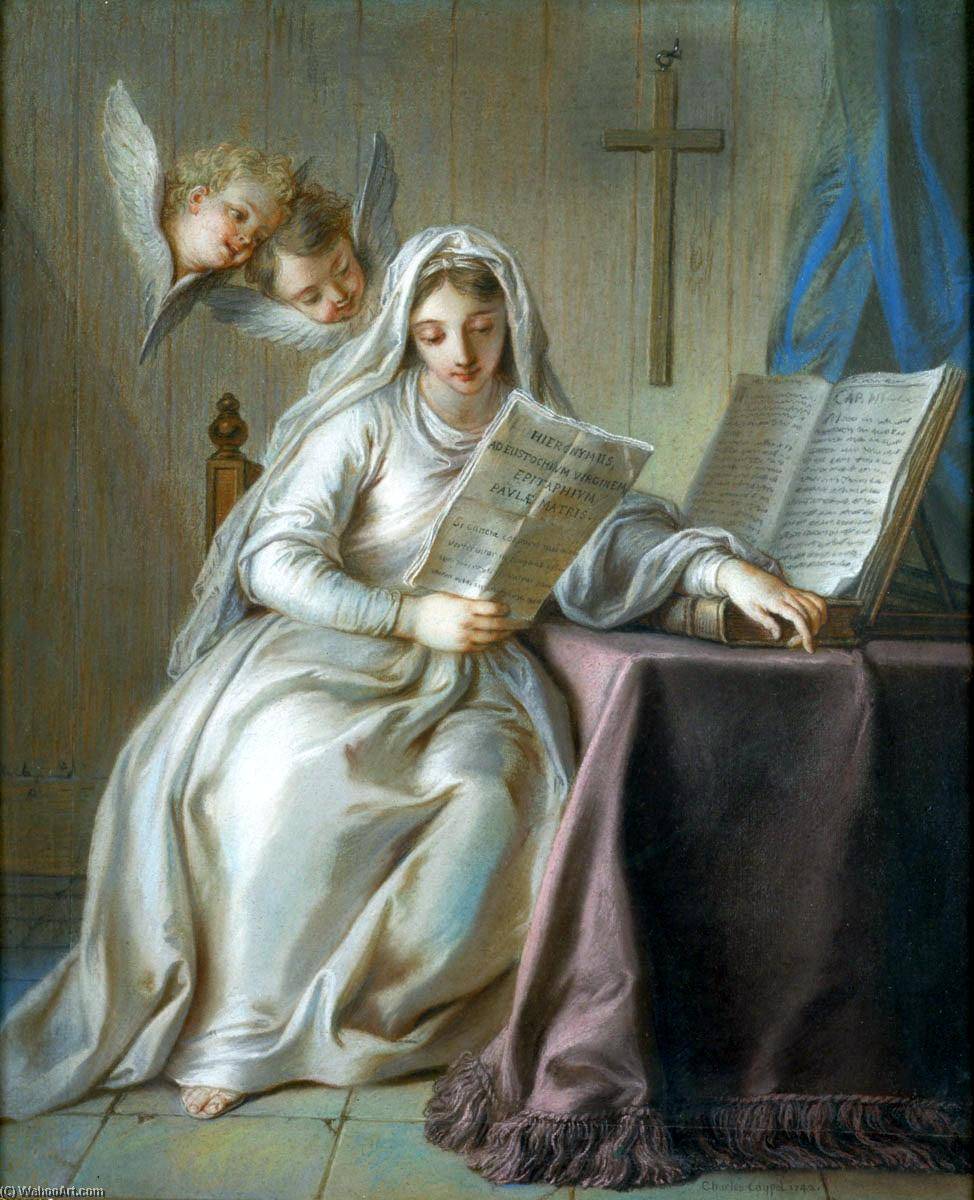
Heloise
 1742
1742 70.0 x 52.0 cm
 Skaityti daugiau
Giclée / Meno spausdinimas
Muziejų lygio „giclée“ arba drobos spausdinimas: greita gamyba ir lankstios apdailos parinktys. ( Pirkti rankomis tapytą paveikslą Pirkti vaizdą)




































Pasirinkite iš mūsų nustatytų dydžių, atitinkančių originalaus meno kūrinio proporcijas.

Galite nurodyti savo matmenis, kad vaizdas atitiktų konkretų rėmą ar erdvę. Jei pasirinktas dydis nesutaps su originalaus paveikslėlio proporcijomis, mes arba apkirpsime kūrinį, arba išplėsime vaizdą naudojant veideliu atspindėtą arba vientisą šoną. Skaitmeninis maketas bus išsiųstas jums patvirtinti prieš pradedant gamybą.
Atkreipkite dėmesį, kad ekrane matomas vaizdinys neatspindi tikrojo apkirpimo ar išplėtimo. Tik maketas tiksliai parodytų galutinę kompoziciją.
Nors galima rinktis ir individualius dydžius, rekomenduojame pasirinkti vieną iš išanksti nustatytų matmenų, kad būtų išlaikytos originalios proporcijos.
Pristatymas visame pasaulyje () per 2 weeks, o ne įprastas 4/5 savaičių laikotarpis. (23 rugpjūtis)

Nemokamas greitasis pristatymas visame pasaulyje

Aukštos kokybės lininis drobė

Pilnas siuntimo draudimas

Muitinės mokesčių grąžinimo garantija

Tikro spalvų atitikimo garantija

60 dienų grąžinimo politika (tik esant gamyklinėms defektams)

100% pinigų grąžinimo garantija

Nuolaida už kelias reprodukcijas
 Stiklo variantas prieinamas tik pasirinkus dydį iki 110 cm

Heloise
Giclée / Meno spausdinimas
Reprodukcijos matmenys
-


Galutinė kaina
$ 80
Autoriaus biografija
A Legacy of Elegance: The Life and Art of Charles Antoine Coypel IV
In the gilded era of the French Baroque, few names resonated with as much inherent prestige and artistic continuity as Charles Antoine Coypel IV. Born in 1694 into a dynasty of creative luminaries, his very existence was woven into the fabric of France's most illustrious artistic institutions. As the grandson of Noël Coypel, who had led the French Academy in Rome, and the son of the celebrated history painter Antoine Coypel, Charles Antoine did not merely enter the art world; he was born into its inner sanctum. His early years were shaped by the grandeur of Versailles and the rigorous standards of a family dedicated to serving the French crown, establishing a lifelong connection between his personal identity and the pursuit of royal aesthetic ideals.
The development of Coypel’s technique was a profound dialogue with the masters who preceded him. Under the watchful guidance of his father, he inherited a mastery of meticulous detail and a penchant for luminous, vibrant color palettes. His formal education at the Académie Royale de Peintures et de Sculpture further refined this inherited brilliance, allowing him to study alongside contemporary giants such as Jean-Baptiste Oudry. This academic foundation provided him with more than just technical prowess; it granted him a seat within the most influential artistic community in Europe, a home that would remain his professional anchor for nearly five decades.
Mastery of Medium and Subject
Coypel’s artistic repertoire was remarkably diverse, reflecting the multifaceted demands of 18th-century patronage. While he was deeply rooted in the traditions of history painting, his true genius often emerged in his ability to capture the ephemeral textures of courtly life. He possessed an unerring control over a variety of media, ranging from the delicate precision of engravings to the soft, atmospheric qualities of pastel, chalk, and watercolor. This versatility allowed him to render the tactile splendor of the era—the intricate patterns of lace, the heavy sheen of velvet, and the subtle glow of skin—with breathtaking realism.
His subject matter often oscillated between the mythological and the intimate. In his mythological scenes, one finds a continuation of the grand Baroque tradition, yet in his portraits, there is a distinct sensitivity to the individual. His works, such as the celebrated double portrait of François de Jullienne and Marie Elisabeth de Séré de Rieux, demonstrate a captivating use of the direct gaze—a theatrical conceit that draws the viewer into the psychological space of the sitters. Whether depicting the heroic struggles of Hercules or the serene elegance of an aristocratic lady, Coypel’s compositions are characterized by a balanced grace and a subtle tonal gradation that defines the sophisticated spirit of his age.
Historical Significance and Royal Stewardship
Beyond the canvas, Charles Antoine Coypel IV played a vital role in the preservation and curation of French artistic heritage. His appointment as the Director and Curator of the King’s Art Collection was not merely a professional achievement but a profound responsibility. In this capacity, he acted as a guardian of the visual splendor of the monarchy, overseeing the treasures that defined the cultural identity of France under Louis XV. This role required an unparalleled eye for quality and a deep understanding of art history, making him one of the most influential figures in the management of royal aesthetics.
The historical significance of Coypel lies in his ability to bridge the gap between the heavy grandeur of the late 17th century and the burgeoning refinement of the 18th century. He embodied the transition from the monumental style of Louis XIV to the more intimate, decorative elegance that would eventually lead toward the Rococo. Through his portraits, mythological works, and his dedicated service to the Academy, Coypel ensured that the legacy of the French school remained vibrant, sophisticated, and eternally linked to the prestige of the French Crown.

charles antoine coypel iv
1694 - 1752
Trumpa informacija
- Artistic Movement Or Style: Baroque Painting
- Artists Or Movements Influenced By This Artist: ['Philippe II, Duke of Orléans']
- Artists Who Influenced This Artist:
- Antoine Coypel
- Noël Coypel
- Date Of Birth: July 11, 1694
- Date Of Death: June 14, 1752
- Full Name: Charles Antoine Coypel IV
- Nationality: French
- Notable Artworks:
- Hercules and Omphale
- Saint George and the Dragon
- Place Of Birth: Paris, France

