

 Peržiūrėti realaus dydžio版
 Siųsti
 Dalintis
 Išsamiau
 Vadovas

 Atsisiųsti
 Panašūs eksponatai
 Rentgeno spindulių nuotrauka
 Diaporama
 Statistika
Venus and Amor
 Oil
Oil- WallArt
- Rococo Style
 1740
1740- Early Modern
 40.0 x 31.0 cm
 Kunsthalle Bremen
 Rodyti daugiau
Rankų darbo aliejinės reprodukcijos
Rankiniu būdu tapytas aliejus ant droblio jūsų pageidaujamame dydį ir rėmuose – mūsų menininkų darbas pagal užsakymą. ( Perjungti į spausdinimą Perejti prie skaitmeninių vaizdų)




P118B €10

P118H €10

P118W €10

P438Z €10

P508JH €12

P508YH €12

P805H €10

P805Z €10

P919BZ €10

P919G €10

P919XJ €10

P959ZH €10

P968JZ €12

W106C €8

W218G €10

W218JH €8

W218Y €10

W307PJ €10

W316G €10

W316PJ €8

W316Y €10

W398PJ €8

W4111J €10

W500HY €15

W500JH €15

W692G €12

W849H €8

W940BG €15

W953PJ €8




Pasirinkite iš mūsų nustatytų dydžių, atitinkančių originalaus meno kūrinio proporcijas.

Įveskite jums reikiamą plotį ir aukštį, kad paveikslas atitiktų jūsų rėmą ar sieną. Kadangi šis darbas yra rankinio darbo, siekiant išgauti kitokio formos dydį, paveikslas gali būti šiek tiek didesnis (nuo kraštų bus palikta daugiau erdvės) arba mažesnis – pasirinkite jums patogiausią variantą. Prieš pradedant tapyti, atsiųsime jums skaitmeninį maketą patvirtinimui. Šioje puslapio nuotraukoje matomas vaizdas nėra galutinis rezultatas – jį parodys tik sukurtas maketas.
Gavus užsakymą, OriginalUniqueArt.com komanda susisieks su klientu el. paštu dėl instrukcijų ir pateiks maketo pavyzdį
Pristatymas visame pasaulyje () per 3–4 savaites, o ne įprastai – per 5 savaites. (21 spalis). Kokybė lieka nepakeičiama.

Nemokamas greitasis pristatymas visame pasaulyje

Aukštos kokybės lininis drobė

Pilnas siuntimo draudimas

Muitinės mokesčių grąžinimo garantija

Tikro spalvų atitikimo garantija

100 dienų grąžinimo politika (tik esant įtaigoms)

100% pinigų grąžinimo garantija

Nuolaida dideliems užsakymams
 Stiklo variantas prieinamas tik pasirinkus dydį iki 110 cm

Venus and Amor
Reprodukcijos technika
Reprodukcijos dydis
-


Visų pasirinktų variantų kaina
€ 262
A Symphony of Tenderness: The Rococo Grace of Venus and Amor
In the soft, luminous glow of Charles André van Loo’s 1740 masterpiece, Venus and Amor, we are invited into a realm where divinity meets the most intimate of human emotions. This exquisite painting serves as a quintessential emblem of the Rococo era, a period defined by its departure from the heavy, dramatic shadows of the Baroque in favor of light, air, and an almost ethereal elegance. As the eye wanders across the canvas, it is immediately captured by the serene interaction between the goddess of love and her young cherub. Van Loo does not merely depict a mythological scene; he captures a profound moment of maternal reverence, where the celestial and the terrestrial dissolve into a single, breathless heartbeat of affection.
The composition is a masterclass in the Rococo aesthetic, characterized by its delicate balance and flowing, curvilinear lines. Venus rests upon a rugged yet soft-edged rocky outcrop, her posture suggesting a quiet, contemplative stillness. Her gaze, directed downward toward the infant Amor, radiates a protective warmth that transcends her divine status. This tender connection is mirrored in the surrounding landscape, where scattered birds flit through the air, adding a subtle sense of movement and life to the otherwise tranquil scene. The artist’s use of a pastel-driven palette—dominated by creamy whites, blush pinks, and muted, mossy greens—creates an atmosphere of dreamlike tranquility, making the artwork feel less like a static image and more like a fleeting, beautiful memory.
Masterful Technique and Symbolic Resonance
Beyond its surface beauty, Venus and Amor reveals a sophisticated technical prowess that continues to inspire collectors and decorators alike. Van Loo employs advanced glazing techniques, layering thin, translucent veils of paint to achieve a luminous, pearlescent quality on the skin of the figures. This method allows light to appear as if it is emanating from within the canvas itself, highlighting the soft textures of drapery and the delicate features of the cherub. Every brushstroke is intentional, contributing to an overall sense of refinement and luxury that was highly prized in the French courts of Louis XV.
Symbolically, the painting is rich with layers of meaning that resonate deeply with the themes of renewal and innocence. The presence of the birds serves as a metaphor for freedom and the cyclical nature of life, while the very choice of subject matter—the goddess of love nurturing her offspring—speaks to the universal sanctity of the maternal bond. For the discerning interior designer or art enthusiast, this piece offers more than just visual appeal; it provides an emotional anchor. Whether placed in a sun-drenched morning room or a sophisticated gallery space, a high-quality reproduction of this work brings with it an aura of classical sophistication and a timeless sense of peace, making it an incomparable centerpiece for any curated collection.
问答 (or more naturally for a website heading): Klausimai ir atsakymai
Ar Charles-André Van Loo kūrinys „Venus and Amor“ yra viešosios nuoslegos, ir kodėl?
„Venus and Amor“, kurį sukūrė Charles-André Van Loo, yra pripa принадле belongs to the public domain – jo autorinė teisė pasibaigusi. Autorinės teisės apsaugos terminai skaičiuojami nuo autoriaus mirties, o Charles-André Van Loo mirė 1765 m.
Kiek metų buvo Charles-André Van Loo, kai sukūrė „Venus and Amor“ 1740 m.?
Kai 1740 m. buvo sukurta „Venus and Amor“, Charles-André Van Loo – gimęs 1705 m. – buvo 35 metų amžiaus.
Kaip rasti panašių kūrinių kaip „Venus and Amor“, autorius – Charles-André Van Loo?
Puslapio Panašūs kūriniai skiltyje, skirtoje kūriniam darbui „Venus and Amor“, autorius – Charles-André Van Loo, pateikiami panašūs meno kūriniai.
Autoriaus biografija
Rauninis gyvenimas ir mokymas
- Gimimas: Februarija 15, 1705 m., Nice, Fransiya
- Šeimos apriboti: Buvo Louis-Abraham van Loo sūnus ir jaunesnis brolis Jean-Baptiste van Loo. Jis buvo sėkmingos netolingoje holandijos dailininkų dinastijos narys.
- Pirmasis mokymas: Pradinis mokymasis Turine, toliau – studijos Rome (1712 m.) pas Benedetto Luti ir Pierre Legros.
- Parisių studijos: Studijavo „Académie royale“, kur 1723 m. gavo pirmąją apdailos prieką, o 1727 m. – istorinės dailės prieką.
Dailininkų karjera ir išpopuliarėję vardai
- Stilius: Pagrindiniu būdu garsėjo kaip Rokoko dailininkas, pažymėtas elegancija, gražu ir ornamentaliu detaliumi.
- Tema: Įvairi temų apjungimas, įskaitant portretus, mitologines scenas, istorines pildomus, alegorijas ir gyvenimo momentus.
- Išpopuliarėję vardai:
- Venus ir Amor (Kunsthalle Bremen) - Rodė Rokoko stiliaus meistriškumą.
- Medžioklės sustojimas (The Metropolitan Museum of Art) – Įgaudina aristokratinį gyvenimą.
- Marie Leszczynska portretas, Fransiya karalienė – Pastarosios rajinės portreto įrėžta.
- Jupiteris ir Antiope - Apveda mitologinius motyvus.
- Savivaldykite – Pateikia įžvalgas apie dailininko savęs suvokimą.
- Perseusas ir Andromeda (다viena versijos) – Iliustruoja gebėjimą atvaizduoti klasikinius mitus.
- Mademoiselle Clairon kaip Medea (mažas variantas) - Įsikaptinęs Rokoko portretas iš 1760 m.
Patronatas ir karališkas pripažinimas
- Karališkas patronatas: Gaido Madame de Pompadour ir prancūzių dvorkio meile.
- Įstatymas į dvorkį: 1762 m. tapo Karaliui Louis XV pirmasis dailininkas, prestižinis pavadinimas.
- Šv. Mikolas ordonas: Apkurė Šv. Mikolo ordonu, signalizuojant karališką mėgštimą.
Įkvėpsnaziai ir paliktava
- Šeimos įtakos: Stipriai buvo įkvėptas savo tėviu ir broliu, abiejų buvo išsaugę dailininkai.
- Tūris: Konkuruoja su François Boucheriu, kitais išpopuliarėjais Rokoko dailininkais.
- Modernus prancūzų stilius: Jo „stiliaus paprastumas ir dizaino tikslumas“ žymiai įtakojė modernų prancūzių dailės mokyklą.
- Kritinė reputacija: Nors jo kritinis statusas pasikeitė laikotarpiu, jo gebėjimas ir darbo platumas kelia pagarbą.
Muziejų kolekcijos ir toliau tyrimai
- Muziejų buvimas: Jo kūriniai yra išpildyti žymiuose muziejuose, įskaitant Louvre (Merginos gedimas), Kunsthalle Bremen ir The Metropolitan Museum of Art.
- Papildomos resursai:
- OriginalUniqueArt puslapis Charles-André van Loo: https://www.OriginalUniqueArt.com/artists/charles-andre-van-loo/
- OriginalUniqueArt „Didžiausi dailininkai visų laikų“ puslapis: https://www.OriginalUniqueArt.com/greatest-artists
- OriginalUniqueArt Virtualus muziejus: https://www.OriginalUniqueArt.com/
- Wikipedia straipsnis: https://en.wikipedia.org/wiki/Charles-Andr%C3%A9_van_Loo
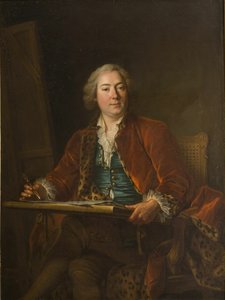
Charles-André Van Loo
1705 - 1765 , Prancūzija
Trumpa informacija apie kūrėją
- Artistic Movement Or Style: Rokoko dailė
- Artists Or Movements Influenced By This Artist: ['Modernių prancūzijos mokyklos']
- Artists Who Influenced This Artist:
- Benedetto Luti
- Pierre Le Gros
- Date Of Birth: 1705年2月15日
- Date Of Death: 1765年7月15日
- Full Name: Charles-André van Loo
- Nationality: Prancūzija
- Notable Artworks:
- Venė ir Amor
- Medžioklės sustojimas
- Marija Leszczynska portretas
- Jupiteris ir Antiope
- Savaitinis portretas
- Perseusas ir Andromeda
- Place Of Birth: Nice, Prancūzija
Susiję straipsniai

Rožinio Amžius: 10 Šedevrų Apibrėžiančių Rokoko Stilių
Atraskite 10 rokokoko šedevrų, apibrėžiančių prabangą ir grožį! Sužinokite apie žymius dailininkus, spalvotus motyvus bei istorijas. Puikios meno reprodukcijos jūsų namams – OriginalUniqueArt.com.
Sir Anthony van Dyck: Courtly Portraiture & the Shaping of Baroque Identity
Explore the life & legacy of Sir Anthony van Dyck, the leading court painter of his era. Discover his innovative portraiture, Baroque masterpieces, and investment potential for discerning collectors. Learn more at OriginalUniqueArt.

Early Netherlandish Masters: 10 Paintings That Revolutionized Art & Decor
Journey into the world of Early Netherlandish painting! Explore 10 masterpieces by Jan van Eyck, Rogier van der Weyden & more. Discover stunning detail, symbolism & Renaissance art for your home decor. Find museum-quality reproductions on OriginalUniqueArt.com

Rembrandto van Rijn šedevrai: 25 paveikslai, įkvėpę amžius | OriginalUniqueArt
Atraskite 25 įspūdingiausius Rembrandto paveikslus! Išsami istorija, meno technikos ir simbolika. Olandų baroko šedevrai jūsų interjerui – aukštos kokybės reprodukcijos OriginalUniqueArt.com. Explore the full collection online!

Charles-André van Loo: A Study in Rococo Portraiture & the French Court's Artistic Dynamics
Explore the elegant world of Charles-André van Loo, a master of Rococo portraiture at the French court. Discover his life, techniques, and enduring influence on 18th-century art. Hand-painted reproductions available.