

 Peržiūrėti realaus dydžio版
 Siųsti
 Dalintis
 Išsamiau
 Vadovas

 Atsisiųsti
 Panašūs eksponatai
 Rentgeno spindulių nuotrauka
 Diaporama
 Statistika
Mademoiselle Clairon as Medea (study)
 Acrylic On Canvas
- WallArt
- Rococo Elegance
 1759
1759 63.0 x 79.0 cm
 Musée des Beaux-Arts de Bordeaux
 Rodyti daugiau
Giclée / Meno spausdinimas
Muziejų lygio „giclée“ arba drobos spausdinimas: greita gamyba ir lankstios apdailos parinktys. ( Pirkti rankomis tapytą reprodukciją Perejti prie skaitmeninių vaizdų)




P118B €10

P118H €10

P118W €10

P438Z €10

P508JH €12

P508YH €12

P805H €10

P805Z €10

P919BZ €10

P919G €10

P919XJ €10

P959ZH €10

P968JZ €12

W106C €8

W218G €10

W218JH €8

W218Y €10

W307PJ €10

W316G €10

W316PJ €8

W316Y €10

W398PJ €8

W4111J €10

W500HY €15

W500JH €15

W692G €12

W849H €8

W940BG €15

W953PJ €8




Pasirinkite iš mūsų nustatytų dydžių, atitinkančių originalaus meno kūrinio proporcijas.

Įveskite jums reikiamą plotį ir aukštį, kad atvaizdas derėtų prie jūsų rėmo ar sienos. Spausdiną galima tik sumažinti, bet nepadidinti virš originalaus paveikslėlio dydžio, todėl keičiant proporcijas, dalis vaizdo prarandama. Prieš spausdinimą atsiųsime jums skaitmeninį maketą patvirtinimui. Šioje puslapio nuotraukoje matomas pjūvis nėra tikslus – jį rodo tik maketas.
Pristatymas visame pasaulyje () per 2 weeks, o ne įprastas 4/5 savaičių laikotarpis. (25 spalis)

Nemokamas greitasis pristatymas visame pasaulyje

Aukštos kokybės lininis drobė

Pilnas siuntimo draudimas

Muitinės mokesčių grąžinimo garantija

Tikro spalvų atitikimo garantija

100 dienų grąžinimo politika (tik esant įtaigoms)

100% pinigų grąžinimo garantija

Nuolaida dideliems užsakymams
 Stiklo variantas prieinamas tik pasirinkus dydį iki 110 cm

Mademoiselle Clairon as Medea (study)
Giclée / Meno spausdinimas
Reprodukcijos dydis
-


Visų pasirinktų variantų kaina
€ 70
A Study in Mythological Drama: Charles André van Loo’s “Mademoiselle Clairon as Medea”
Charles André van Loo's "Mademoiselle Clairon as Medea" (study), completed in 1759, stands as a testament to the grandeur and sophistication of Rococo painting while simultaneously delving into profound mythological themes. Executed by Laurent Cars and Jacques-Firmin Beauvarlet alongside Van Loo himself – a trio celebrated for their collaborative achievements at the Académie royale – this artwork transcends mere visual representation; it embodies an intellectual engagement with classical narratives and explores complex psychological portraits. The painting depicts Mademoiselle Clairon, a renowned Parisian actress famed for her dramatic interpretations of mythological roles, portrayed as Medea, the vengeful sorceress from Greek mythology. This deliberate juxtaposition wasn’t merely stylistic choice but reflected the prevailing artistic preoccupation with portraying characters—particularly women—with nuanced emotional depth and psychological complexity. Unlike traditional depictions emphasizing idealized beauty, Van Loo captures Clairon's gaze – turned slightly to the side – conveying a palpable sense of inner turmoil and determination. Her crimson dress serves as a striking visual anchor, mirroring Medea’s fiery passion for retribution. Technically masterful, the piece showcases the hallmarks of Rococo artistry: delicate brushstrokes, luminous glazing techniques, and meticulous attention to detail. The artist skillfully employs chiaroscuro – dramatic contrasts between light and shadow – to sculpt the figures and imbue them with a sense of realism despite their stylized poses. The backdrop features two horses rendered in muted tones, symbolizing strength and nobility—a common motif within aristocratic portraiture during the period. Furthermore, the inclusion of two attendants reinforces the theatrical atmosphere, highlighting Clairon’s role as performer and embodying the spirit of the stage. Historically situated within the opulent court of Louis XV, “Mademoiselle Clairon as Medea” reflects the broader artistic climate of its time—a fascination with classical mythology alongside a desire to elevate portraiture beyond mere likeness. Artists sought to convey not just outward appearance but also inner character and psychological states, mirroring the Enlightenment’s emphasis on reason and observation. The painting's symbolism extends beyond individual figures; Medea herself represents defiance against societal constraints and embodies the transformative power of emotion—themes resonating powerfully with audiences captivated by theatrical performances. Ultimately, “Mademoiselle Clairon as Medea” transcends its formal conventions to deliver an emotionally resonant experience for the viewer. It invites contemplation on themes of passion, revenge, and psychological resilience – qualities admired in both mythological heroines and celebrated actresses alike. Its enduring appeal lies in its ability to capture a moment of dramatic intensity while simultaneously demonstrating the artistic prowess of Van Loo and his collaborators—a captivating glimpse into the intellectual and aesthetic sensibilities of 18th-century France.问答 (or more naturally for a website heading): Klausimai ir atsakymai
Kas yra „Mademoiselle Clairon as Medea (study)“ autorius ir kokiu stiliaus metu?
Šiame kūrinį „Mademoiselle Clairon as Medea (study)“ sukūrė Charles-André Van Loo, atstovaujantis Rococo Elegance stiliui.
Ar yra galima peržiūrėti „Mademoiselle Clairon as Medea (study)“, autorius – Charles-André Van Loo per diorama?
Galima peržiūrėti nuotraukų rodyklę: Diaporama puslapį kūriniam „Mademoiselle Clairon as Medea (study)“, autorius – Charles-André Van Loo.
Kokia bendra "Mademoiselle Clairon as Medea (study)" spalvų tonacija – šviesi ar tamsi?
Perceptinio ryškumo prasme, „Mademoiselle Clairon as Medea (study)“, autorius – Charles-André Van Loo yra shadow.
Autoriaus biografija
Rauninis gyvenimas ir mokymas
- Gimimas: Februarija 15, 1705 m., Nice, Fransiya
- Šeimos apriboti: Buvo Louis-Abraham van Loo sūnus ir jaunesnis brolis Jean-Baptiste van Loo. Jis buvo sėkmingos netolingoje holandijos dailininkų dinastijos narys.
- Pirmasis mokymas: Pradinis mokymasis Turine, toliau – studijos Rome (1712 m.) pas Benedetto Luti ir Pierre Legros.
- Parisių studijos: Studijavo „Académie royale“, kur 1723 m. gavo pirmąją apdailos prieką, o 1727 m. – istorinės dailės prieką.
Dailininkų karjera ir išpopuliarėję vardai
- Stilius: Pagrindiniu būdu garsėjo kaip Rokoko dailininkas, pažymėtas elegancija, gražu ir ornamentaliu detaliumi.
- Tema: Įvairi temų apjungimas, įskaitant portretus, mitologines scenas, istorines pildomus, alegorijas ir gyvenimo momentus.
- Išpopuliarėję vardai:
- Venus ir Amor (Kunsthalle Bremen) - Rodė Rokoko stiliaus meistriškumą.
- Medžioklės sustojimas (The Metropolitan Museum of Art) – Įgaudina aristokratinį gyvenimą.
- Marie Leszczynska portretas, Fransiya karalienė – Pastarosios rajinės portreto įrėžta.
- Jupiteris ir Antiope - Apveda mitologinius motyvus.
- Savivaldykite – Pateikia įžvalgas apie dailininko savęs suvokimą.
- Perseusas ir Andromeda (다viena versijos) – Iliustruoja gebėjimą atvaizduoti klasikinius mitus.
- Mademoiselle Clairon kaip Medea (mažas variantas) - Įsikaptinęs Rokoko portretas iš 1760 m.
Patronatas ir karališkas pripažinimas
- Karališkas patronatas: Gaido Madame de Pompadour ir prancūzių dvorkio meile.
- Įstatymas į dvorkį: 1762 m. tapo Karaliui Louis XV pirmasis dailininkas, prestižinis pavadinimas.
- Šv. Mikolas ordonas: Apkurė Šv. Mikolo ordonu, signalizuojant karališką mėgštimą.
Įkvėpsnaziai ir paliktava
- Šeimos įtakos: Stipriai buvo įkvėptas savo tėviu ir broliu, abiejų buvo išsaugę dailininkai.
- Tūris: Konkuruoja su François Boucheriu, kitais išpopuliarėjais Rokoko dailininkais.
- Modernus prancūzų stilius: Jo „stiliaus paprastumas ir dizaino tikslumas“ žymiai įtakojė modernų prancūzių dailės mokyklą.
- Kritinė reputacija: Nors jo kritinis statusas pasikeitė laikotarpiu, jo gebėjimas ir darbo platumas kelia pagarbą.
Muziejų kolekcijos ir toliau tyrimai
- Muziejų buvimas: Jo kūriniai yra išpildyti žymiuose muziejuose, įskaitant Louvre (Merginos gedimas), Kunsthalle Bremen ir The Metropolitan Museum of Art.
- Papildomos resursai:
- OriginalUniqueArt puslapis Charles-André van Loo: https://www.OriginalUniqueArt.com/artists/charles-andre-van-loo/
- OriginalUniqueArt „Didžiausi dailininkai visų laikų“ puslapis: https://www.OriginalUniqueArt.com/greatest-artists
- OriginalUniqueArt Virtualus muziejus: https://www.OriginalUniqueArt.com/
- Wikipedia straipsnis: https://en.wikipedia.org/wiki/Charles-Andr%C3%A9_van_Loo
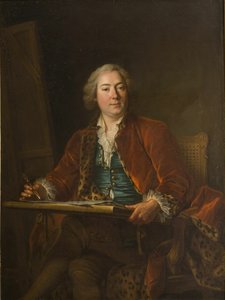
Charles-André Van Loo
1705 - 1765 , Prancūzija
Trumpa informacija apie kūrėją
- Artistic Movement Or Style: Rokoko dailė
- Artists Or Movements Influenced By This Artist: ['Modernių prancūzijos mokyklos']
- Artists Who Influenced This Artist:
- Benedetto Luti
- Pierre Le Gros
- Date Of Birth: 1705年2月15日
- Date Of Death: 1765年7月15日
- Full Name: Charles-André van Loo
- Nationality: Prancūzija
- Notable Artworks:
- Venė ir Amor
- Medžioklės sustojimas
- Marija Leszczynska portretas
- Jupiteris ir Antiope
- Savaitinis portretas
- Perseusas ir Andromeda
- Place Of Birth: Nice, Prancūzija
Susiję straipsniai
Leonardo da Vinci Šedevrai: 25 Išskirtiniai Kūrinių, Įkvėpę Kartas | OriginalUniqueArt
Atraskite 25 Leonardo da Vinci šedevrus! Išsami istorija, technikos paslaptys ir įkvėpimas interjero dekorui. Renesanso meno klasika jūsų namams – aukštos kokybės reprodukcijos OriginalUniqueArt.com. Explore the full collection online!

The Elegance of Rococo: A Journey Through Pastel Dreams and Ornate Splendor
Embark on an elegant journey through the Rococo era. Discover the delicate beauty of pastel masterpieces, the intricate artistry of 18th-century French masters, and how this era of ornate splendor continues to inspire timeless luxury in fine art collecting.

The Allure of Elegance in Art: A Historical & Aesthetic Exploration of Refinement & Grace
Explore the exquisite world of Rococo art! Discover its history, masters (Watteau, Boucher & more), and defining elegance. Expert insights for collectors seeking museum-quality reproductions & custom portraits.

Rožinio Amžius: 10 Šedevrų Apibrėžiančių Rokoko Stilių
Atraskite 10 rokokoko šedevrų, apibrėžiančių prabangą ir grožį! Sužinokite apie žymius dailininkus, spalvotus motyvus bei istorijas. Puikios meno reprodukcijos jūsų namams – OriginalUniqueArt.com.
Neo-Classicism's Greatest Hits: 10 Masterpieces for Your Home |
Journey through Neo-Classicism's finest! Explore 10 iconic masterpieces by David, Ingres & Canova. Discover art history, techniques & timeless beauty – perfect for inspiring your home decor. Find museum-quality reproductions at