

 Peržiūrėti realaus dydžio版
 Siųsti
 Dalintis
 Išsamiau
 Vadovas

 Atsisiųsti
 Panašūs eksponatai
 Rentgeno spindulių nuotrauka
 Diaporama
 Statistika
HALTE DE CHASSE


 Rodyti daugiau
Rankų darbo aliejinės reprodukcijos
Rankiniu būdu tapytas aliejus ant droblio jūsų pageidaujamame dydį ir rėmuose – mūsų menininkų darbas pagal užsakymą. ( Perjungti į spausdinimą Perejti prie skaitmeninių vaizdų)




P118B €10

P118H €10

P118W €10

P438Z €10

P508JH €12

P508YH €12

P805H €10

P805Z €10

P919BZ €10

P919G €10

P919XJ €10

P959ZH €10

P968JZ €12

W106C €8

W218G €10

W218JH €8

W218Y €10

W307PJ €10

W316G €10

W316PJ €8

W316Y €10

W398PJ €8

W4111J €10

W500HY €15

W500JH €15

W692G €12

W849H €8

W940BG €15

W953PJ €8




Pasirinkite iš mūsų nustatytų dydžių, atitinkančių originalaus meno kūrinio proporcijas.

Įveskite jums reikiamą plotį ir aukštį, kad paveikslas atitiktų jūsų rėmą ar sieną. Kadangi šis darbas yra rankinio darbo, siekiant išgauti kitokio formos dydį, paveikslas gali būti šiek tiek didesnis (nuo kraštų bus palikta daugiau erdvės) arba mažesnis – pasirinkite jums patogiausią variantą. Prieš pradedant tapyti, atsiųsime jums skaitmeninį maketą patvirtinimui. Šioje puslapio nuotraukoje matomas vaizdas nėra galutinis rezultatas – jį parodys tik sukurtas maketas.
Gavus užsakymą, OriginalUniqueArt.com komanda susisieks su klientu el. paštu dėl instrukcijų ir pateiks maketo pavyzdį
Pristatymas visame pasaulyje () per 3–4 savaites, o ne įprastai – per 5 savaites. (17 spalis). Kokybė lieka nepakeičiama.

Nemokamas greitasis pristatymas visame pasaulyje

Aukštos kokybės lininis drobė

Pilnas siuntimo draudimas

Muitinės mokesčių grąžinimo garantija

Tikro spalvų atitikimo garantija

100 dienų grąžinimo politika (tik esant įtaigoms)

100% pinigų grąžinimo garantija

Nuolaida dideliems užsakymams
 Stiklo variantas prieinamas tik pasirinkus dydį iki 110 cm

HALTE DE CHASSE
Reprodukcijos technika
Reprodukcijos dydis
-


Visų pasirinktų variantų kaina
€ 566
A Symphony of Rococo Splendor
In the heart of the French Rococo era, few works capture the sheer opulence and leisurely grace of aristocratic life as vividly as Charles-André van Loo’s “HALTE DE CHASSE.” Painted in 1738, this masterpiece serves as a breathtaking window into the reign of Louis XV, offering much more than a mere depiction of a hunting expedition. It is an exquisitely crafted tableau, a carefully orchestrated celebration where the thrill of the chase meets the refined indulgence of a woodland feast. As the eye wanders through the lush, dappled sunlight filtering through the canopy, one does not simply observe a scene; one is invited to participate in a moment of timeless, aristocratic splendor.
The composition is a masterclass in Rococo density, designed to immerse the viewer in a world of abundance. Van Loo skillfully arranges his figures to create a sense of rhythmic movement and social harmony. In the foreground, a magnificent table serves as the anchor for the scene, laden with a cornucopia of delicacies—glinting wine glasses, ripe fruits, and delicate pastries that promise sensory delight. This central gathering of noblemen and ladies, draped in silks and fine linens, provides a static, elegant counterpoint to the dynamic squadron of horseback riders sweeping across the right side of the canvas. Through the clever use of diagonal lines, the artist guides our gaze from the intimate details of the picnic toward the energetic pursuit in the distance, ensuring that every corner of the painting vibrates with life.
The Artistry of Light and Texture
Technically, “HALTE DE CHASSE” is a triumph of oil on canvas, showcasing Van Loo’s ability to manipulate light and color to evoke deep emotional responses. The artist employs a sophisticated palette where warm, sun-drenched hues—russet reds, golden yellows, and creamy whites—interplay beautifully with the cooler, refreshing tones of emerald green and teal found in the surrounding foliage. This contrast not only mirrors the natural environment but also serves to highlight the exquisite textures of the nobility's attire. One can almost feel the tactile richness of the heavy fabric folds, the softness of the lace, and the smooth sheen of silk, all rendered with meticulous precision.
The lighting within the piece is profoundly naturalistic, suggesting a soft, diffused glow that bathes the entire assembly in a romantic, dreamlike atmosphere. Subtle highlights dance upon faces and glassware, creating a sense of three-dimensional volume and depth. As the landscape recedes into a hazy, atmospheric distance, Van Loo utilizes aerial perspective to expand the world beyond the immediate clearing, hinting at a vast, untamed wilderness that exists just beyond this pocket of civilization. For the collector or interior designer, this painting offers an unparalleled sense of depth and grandeur, making it a commanding focal point for any sophisticated space.
A Legacy of Elegance and Emotion
Beyond its technical brilliance, the painting resonates with profound symbolic weight. The abundance of food and drink is not merely decorative; it is a potent symbol of prosperity, peace, and the effortless indulgence characteristic of the 18th-century French court. There is an undeniable sense of camaraderie and joy permeating the scene—a shared moment of respite that celebrates the bonds of social class and the pleasures of nature. The elegance of the figures reflects a period where art was used to idealize life, turning a momentary pause in a hunt into an eternal monument of grace.
For those seeking to bring a touch of historical prestige and classical beauty into their homes, a high-quality reproduction of this work offers more than just decoration; it offers an atmosphere. Whether placed in a grand salon or a refined study, “HALTE DE CHASSE” evokes a sense of nostalgia for an era of unparalleled refinement. It remains a captivating choice for anyone looking to inspire awe and conversation through the timeless language of the Rococo style.
问答 (or more naturally for a website heading): Klausimai ir atsakymai
Kaip galiu įsigyti „HALTE DE CHASSE“, autorius – Charles-André Van Loo spausdinį?
Šio kūrinio „HALTE DE CHASSE“, autorius – Charles-André Van Loo spausdinį galite užsakyti tiesiogiai jo Kūrinio spausdinimas puslapio: aukščiausios kokybės spausdinys ant medžio siuvinėjamų audinių arba archyvinio kanvas tipo popieriaus.
Ar studentams skirtas informacinis lapelis apie „HALTE DE CHASSE“, autorius – Charles-André Van Loo yra prieinamas?
„HALTE DE CHASSE“, autorius – Charles-André Van Loo Gidas puslapioje galima rasti spausdinamą dviejų lapų informacinę lentelę: kūrinį su jo tapatybės lentele, dešimtmečių juostą, nurodančią laikotarpį, kuriame gyveno paveikslas, kitus šio kūrinio autoriaus darbus, išmatuotą spalvų paletę bei keturiomis stiliais paruoštus citavimo pavyzdžius.
Kokią temą ir atmosferą sujungia „HALTE DE CHASSE“, autorius – Charles-André Van Loo?
„HALTE DE CHASSE“, autorius – Charles-André Van Loo vaizdelioje atspindžiami hunting scene, aristocracy, celebration, picnic, landscape, elegant figures, food abundance, sukurti Elegant nuotaika. Tematika ir atmosfera kartu apibūdina šį kūrinį.
Autoriaus biografija
Rauninis gyvenimas ir mokymas
- Gimimas: Februarija 15, 1705 m., Nice, Fransiya
- Šeimos apriboti: Buvo Louis-Abraham van Loo sūnus ir jaunesnis brolis Jean-Baptiste van Loo. Jis buvo sėkmingos netolingoje holandijos dailininkų dinastijos narys.
- Pirmasis mokymas: Pradinis mokymasis Turine, toliau – studijos Rome (1712 m.) pas Benedetto Luti ir Pierre Legros.
- Parisių studijos: Studijavo „Académie royale“, kur 1723 m. gavo pirmąją apdailos prieką, o 1727 m. – istorinės dailės prieką.
Dailininkų karjera ir išpopuliarėję vardai
- Stilius: Pagrindiniu būdu garsėjo kaip Rokoko dailininkas, pažymėtas elegancija, gražu ir ornamentaliu detaliumi.
- Tema: Įvairi temų apjungimas, įskaitant portretus, mitologines scenas, istorines pildomus, alegorijas ir gyvenimo momentus.
- Išpopuliarėję vardai:
- Venus ir Amor (Kunsthalle Bremen) - Rodė Rokoko stiliaus meistriškumą.
- Medžioklės sustojimas (The Metropolitan Museum of Art) – Įgaudina aristokratinį gyvenimą.
- Marie Leszczynska portretas, Fransiya karalienė – Pastarosios rajinės portreto įrėžta.
- Jupiteris ir Antiope - Apveda mitologinius motyvus.
- Savivaldykite – Pateikia įžvalgas apie dailininko savęs suvokimą.
- Perseusas ir Andromeda (다viena versijos) – Iliustruoja gebėjimą atvaizduoti klasikinius mitus.
- Mademoiselle Clairon kaip Medea (mažas variantas) - Įsikaptinęs Rokoko portretas iš 1760 m.
Patronatas ir karališkas pripažinimas
- Karališkas patronatas: Gaido Madame de Pompadour ir prancūzių dvorkio meile.
- Įstatymas į dvorkį: 1762 m. tapo Karaliui Louis XV pirmasis dailininkas, prestižinis pavadinimas.
- Šv. Mikolas ordonas: Apkurė Šv. Mikolo ordonu, signalizuojant karališką mėgštimą.
Įkvėpsnaziai ir paliktava
- Šeimos įtakos: Stipriai buvo įkvėptas savo tėviu ir broliu, abiejų buvo išsaugę dailininkai.
- Tūris: Konkuruoja su François Boucheriu, kitais išpopuliarėjais Rokoko dailininkais.
- Modernus prancūzų stilius: Jo „stiliaus paprastumas ir dizaino tikslumas“ žymiai įtakojė modernų prancūzių dailės mokyklą.
- Kritinė reputacija: Nors jo kritinis statusas pasikeitė laikotarpiu, jo gebėjimas ir darbo platumas kelia pagarbą.
Muziejų kolekcijos ir toliau tyrimai
- Muziejų buvimas: Jo kūriniai yra išpildyti žymiuose muziejuose, įskaitant Louvre (Merginos gedimas), Kunsthalle Bremen ir The Metropolitan Museum of Art.
- Papildomos resursai:
- OriginalUniqueArt puslapis Charles-André van Loo: https://www.OriginalUniqueArt.com/artists/charles-andre-van-loo/
- OriginalUniqueArt „Didžiausi dailininkai visų laikų“ puslapis: https://www.OriginalUniqueArt.com/greatest-artists
- OriginalUniqueArt Virtualus muziejus: https://www.OriginalUniqueArt.com/
- Wikipedia straipsnis: https://en.wikipedia.org/wiki/Charles-Andr%C3%A9_van_Loo
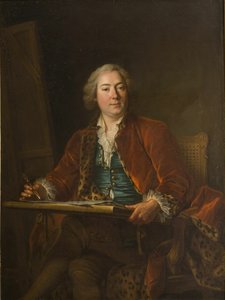
Charles-André Van Loo
1705 - 1765 , Prancūzija
Trumpa informacija apie kūrėją
- Artistic Movement Or Style: Rokoko dailė
- Artists Or Movements Influenced By This Artist: ['Modernių prancūzijos mokyklos']
- Artists Who Influenced This Artist:
- Benedetto Luti
- Pierre Le Gros
- Date Of Birth: 1705年2月15日
- Date Of Death: 1765年7月15日
- Full Name: Charles-André van Loo
- Nationality: Prancūzija
- Notable Artworks:
- Venė ir Amor
- Medžioklės sustojimas
- Marija Leszczynska portretas
- Jupiteris ir Antiope
- Savaitinis portretas
- Perseusas ir Andromeda
- Place Of Birth: Nice, Prancūzija
Susiję straipsniai

The Rococo Aesthetic: Opulence, Rebellion & the Pursuit of Pleasure in 18th-Century Art
Explore the opulent world of Rococo art! Discover its origins, key artists like Watteau & Boucher, and lasting influence on design. Expert insights for collectors & enthusiasts.
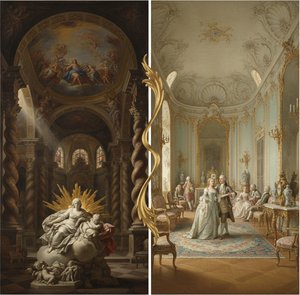
From Grandeur to Grace: Exploring the Evolution of Baroque & Rococo Art
Explore the captivating evolution from Baroque's drama to Rococo's grace! Discover key artists, characteristics & lasting influence of these art movements with expert insights at OriginalUniqueArt.

Baroque vs. Rococo: A Definitive Guide to the Drama of Grandeur and the Elegance of Grace
Explore the profound differences between Baroque drama and Rococo elegance. Our expert guide delves into art history, chiaroscuro, and the evolution of European masterpieces for collectors and enthusiasts seeking deep historical context.
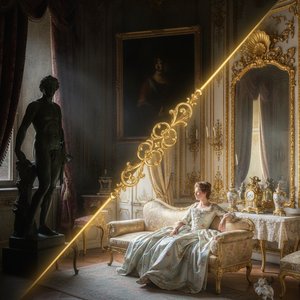
Baroque vs. Rococo: A Definitive Guide to High-Drama Shadows and Golden Elegance
Explore the dramatic evolution from Baroque's intense chiaroscuro to Rococo's golden elegance. Our expert guide decodes the shift from high-drama shadows to playful, ornate grace for art enthusiasts and collectors seeking deep historical insight.

The Allure of Elegance in Art: A Historical & Aesthetic Exploration of Refinement & Grace
Explore the exquisite world of Rococo art! Discover its history, masters (Watteau, Boucher & more), and defining elegance. Expert insights for collectors seeking museum-quality reproductions & custom portraits.