

 Peržiūrėti realaus dydžio版
 Siųsti
 Dalintis
 Išsamiau
 Vadovas

 Atsisiųsti
 Panašūs eksponatai
 Rentgeno spindulių nuotrauka
 Diaporama
 Statistika
Halt of the Hunt
 Oil On Canvas
- WallArt
- Rococo Elegance
 1737
1737- Early Modern
 59.0 x 50.0 cm
 Metropolitano muziejus
 Rodyti daugiau
Giclée / Meno spausdinimas
Muziejų lygio „giclée“ arba drobos spausdinimas: greita gamyba ir lankstios apdailos parinktys. ( Pirkti rankomis tapytą reprodukciją Perejti prie skaitmeninių vaizdų)




P118B €10

P118H €10

P118W €10

P438Z €10

P508JH €12

P508YH €12

P805H €10

P805Z €10

P919BZ €10

P919G €10

P919XJ €10

P959ZH €10

P968JZ €12

W106C €8

W218G €10

W218JH €8

W218Y €10

W307PJ €10

W316G €10

W316PJ €8

W316Y €10

W398PJ €8

W4111J €10

W500HY €15

W500JH €15

W692G €12

W849H €8

W940BG €15

W953PJ €8




Pasirinkite iš mūsų nustatytų dydžių, atitinkančių originalaus meno kūrinio proporcijas.

Įveskite jums reikiamą plotį ir aukštį, kad atvaizdas derėtų prie jūsų rėmo ar sienos. Spausdiną galima tik sumažinti, bet nepadidinti virš originalaus paveikslėlio dydžio, todėl keičiant proporcijas, dalis vaizdo prarandama. Prieš spausdinimą atsiųsime jums skaitmeninį maketą patvirtinimui. Šioje puslapio nuotraukoje matomas pjūvis nėra tikslus – jį rodo tik maketas.
Pristatymas visame pasaulyje () per 2 weeks, o ne įprastas 4/5 savaičių laikotarpis. (24 spalis)

Nemokamas greitasis pristatymas visame pasaulyje

Aukštos kokybės lininis drobė

Pilnas siuntimo draudimas

Muitinės mokesčių grąžinimo garantija

Tikro spalvų atitikimo garantija

100 dienų grąžinimo politika (tik esant įtaigoms)

100% pinigų grąžinimo garantija

Nuolaida dideliems užsakymams
 Stiklo variantas prieinamas tik pasirinkus dydį iki 110 cm

Halt of the Hunt
Giclée / Meno spausdinimas
Reprodukcijos dydis
-


Visų pasirinktų variantų kaina
€ 70
A Glimpse into Rococo Splendor
In the delicate dance of light and shadow captured within Charles-André van Loo’s 1737 masterpiece, “Halt of the Hunt,” we are transported to the very heart of the French aristocracy during the reign of Louis XV. This exquisite oil sketch is far more than a mere depiction of a midday respite; it serves as a window into an era defined by opulence, grace, and the pursuit of pleasure. The scene unfolds with a choreographed elegance, presenting a group of noblemen and ladies gathered around a table laden with delicacies. As they pause amidst their hunting expedition, the atmosphere is thick with the refined leisure of the court, inviting the viewer to step into a world where every gesture is poised and every detail is a testament to high society's splendor.
The composition is masterfully balanced, utilizing the presence of two loyal dogs to anchor the scene. These animals are not merely incidental; they serve as profound symbols of nobility and fidelity, mirroring the very virtues held dear by the aristocratic class of the eighteenth century. As the figures mingle around the feast, the interplay between the lush, natural backdrop and the sophisticated attire of the guests creates a captivating tension between the wildness of the hunt and the controlled refinement of civilization.
Mastery of Technique and Rococo Elegance
Van Loo’s technical prowess is on full display through his signature Rococo style, a movement characterized by its emphasis on beauty, ornament, and lightheartedness. The artist employs a breathtakingly delicate technique, utilizing thin glazes layered upon one another to achieve a luminous, almost ethereal quality. This method allows for a remarkable tonal subtlety, where the pastel hues of the drapery seem to glow from within, capturing the soft, filtered light of a forest clearing. Through the skillful application of sfumato, Van Loo softens the edges of the landscape, creating an atmospheric depth that pulls the observer into this idealized, dreamlike realm.
For the discerning collector or interior designer, the visual impact of this work lies in its ability to evoke emotion through texture and color. The meticulous attention to detail—from the glint of a silver cup to the intricate folds of silk garments—provides a sensory richness that elevates the painting from a historical document to a living piece of art. The brushwork is fluid yet precise, conveying a palpable sense of carefree enjoyment and the effortless sophistication that defines the Rococo spirit.
An Enduring Legacy for Modern Spaces
Historically, this work holds immense significance as a preparatory study for a much larger canvas destined for the prestigious Château de Fontainebleau. It represents the height of French artistic ambition, born from a period of intense innovation and royal patronage. To possess a high-quality reproduction of “Halt of the Hunt” is to bring a piece of history into the contemporary home, offering a sophisticated focal point that speaks of timeless elegance.
Whether placed in a grand dining hall to echo its original purpose or used as a subtle accent in a curated gallery wall, this painting offers an unparalleled sense of prestige. It provides an infusion of classical charm and warmth, making it an ideal choice for those looking to inspire awe and conversation. The artwork does not merely decorate a room; it transforms the space, imbuing it with the romanticism, light, and aristocratic charm of a bygone golden age.
问答 (or more naturally for a website heading): Klausimai ir atsakymai
Ar kūrinys „Halt of the Hunt“, autorius – Charles-André Van Loo yra šviesus ar tamsus?
„Halt of the Hunt“, autorius – Charles-André Van Loo įrašytas kaip deep_shadow, turintis Dark apšvietimo.
Kiek metų buvo Charles-André Van Loo, kai sukūrė „Halt of the Hunt“ 1737 m.?
Charles-André Van Loo buvo 32 metų, kai 1737 m. sukūrė kūrinį „Halt of the Hunt“. Amžius apskaičiuotas remiantis gimimo metais 1705.
Ar „Halt of the Hunt“, autorius – Charles-André Van Loo spalvos yra ryškios ar išblukusios?
Kūrinys „Halt of the Hunt“, autorius – Charles-André Van Loo užfiksuotas su Subtle Color nasyginimu.
Autoriaus biografija
Rauninis gyvenimas ir mokymas
- Gimimas: Februarija 15, 1705 m., Nice, Fransiya
- Šeimos apriboti: Buvo Louis-Abraham van Loo sūnus ir jaunesnis brolis Jean-Baptiste van Loo. Jis buvo sėkmingos netolingoje holandijos dailininkų dinastijos narys.
- Pirmasis mokymas: Pradinis mokymasis Turine, toliau – studijos Rome (1712 m.) pas Benedetto Luti ir Pierre Legros.
- Parisių studijos: Studijavo „Académie royale“, kur 1723 m. gavo pirmąją apdailos prieką, o 1727 m. – istorinės dailės prieką.
Dailininkų karjera ir išpopuliarėję vardai
- Stilius: Pagrindiniu būdu garsėjo kaip Rokoko dailininkas, pažymėtas elegancija, gražu ir ornamentaliu detaliumi.
- Tema: Įvairi temų apjungimas, įskaitant portretus, mitologines scenas, istorines pildomus, alegorijas ir gyvenimo momentus.
- Išpopuliarėję vardai:
- Venus ir Amor (Kunsthalle Bremen) - Rodė Rokoko stiliaus meistriškumą.
- Medžioklės sustojimas (The Metropolitan Museum of Art) – Įgaudina aristokratinį gyvenimą.
- Marie Leszczynska portretas, Fransiya karalienė – Pastarosios rajinės portreto įrėžta.
- Jupiteris ir Antiope - Apveda mitologinius motyvus.
- Savivaldykite – Pateikia įžvalgas apie dailininko savęs suvokimą.
- Perseusas ir Andromeda (다viena versijos) – Iliustruoja gebėjimą atvaizduoti klasikinius mitus.
- Mademoiselle Clairon kaip Medea (mažas variantas) - Įsikaptinęs Rokoko portretas iš 1760 m.
Patronatas ir karališkas pripažinimas
- Karališkas patronatas: Gaido Madame de Pompadour ir prancūzių dvorkio meile.
- Įstatymas į dvorkį: 1762 m. tapo Karaliui Louis XV pirmasis dailininkas, prestižinis pavadinimas.
- Šv. Mikolas ordonas: Apkurė Šv. Mikolo ordonu, signalizuojant karališką mėgštimą.
Įkvėpsnaziai ir paliktava
- Šeimos įtakos: Stipriai buvo įkvėptas savo tėviu ir broliu, abiejų buvo išsaugę dailininkai.
- Tūris: Konkuruoja su François Boucheriu, kitais išpopuliarėjais Rokoko dailininkais.
- Modernus prancūzų stilius: Jo „stiliaus paprastumas ir dizaino tikslumas“ žymiai įtakojė modernų prancūzių dailės mokyklą.
- Kritinė reputacija: Nors jo kritinis statusas pasikeitė laikotarpiu, jo gebėjimas ir darbo platumas kelia pagarbą.
Muziejų kolekcijos ir toliau tyrimai
- Muziejų buvimas: Jo kūriniai yra išpildyti žymiuose muziejuose, įskaitant Louvre (Merginos gedimas), Kunsthalle Bremen ir The Metropolitan Museum of Art.
- Papildomos resursai:
- OriginalUniqueArt puslapis Charles-André van Loo: https://www.OriginalUniqueArt.com/artists/charles-andre-van-loo/
- OriginalUniqueArt „Didžiausi dailininkai visų laikų“ puslapis: https://www.OriginalUniqueArt.com/greatest-artists
- OriginalUniqueArt Virtualus muziejus: https://www.OriginalUniqueArt.com/
- Wikipedia straipsnis: https://en.wikipedia.org/wiki/Charles-Andr%C3%A9_van_Loo
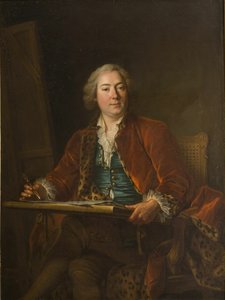
Charles-André Van Loo
1705 - 1765 , Prancūzija
Trumpa informacija apie kūrėją
- Artistic Movement Or Style: Rokoko dailė
- Artists Or Movements Influenced By This Artist: ['Modernių prancūzijos mokyklos']
- Artists Who Influenced This Artist:
- Benedetto Luti
- Pierre Le Gros
- Date Of Birth: 1705年2月15日
- Date Of Death: 1765年7月15日
- Full Name: Charles-André van Loo
- Nationality: Prancūzija
- Notable Artworks:
- Venė ir Amor
- Medžioklės sustojimas
- Marija Leszczynska portretas
- Jupiteris ir Antiope
- Savaitinis portretas
- Perseusas ir Andromeda
- Place Of Birth: Nice, Prancūzija
Susiję straipsniai

The Rococo Aesthetic: Opulence, Rebellion & the Pursuit of Pleasure in 18th-Century Art
Explore the opulent world of Rococo art! Discover its origins, key artists like Watteau & Boucher, and lasting influence on design. Expert insights for collectors & enthusiasts.
The Rococo Style: Aristocratic Leisure & the Pursuit of Delight in 18th-Century Art
Explore the opulent world of Rococo art! Discover Watteau, Boucher & Nattier's masterpieces. Expert insights for collectors seeking museum-quality reproductions and custom portraits at OriginalUniqueArt.

Rožinio Amžius: 10 Šedevrų Apibrėžiančių Rokoko Stilių
Atraskite 10 rokokoko šedevrų, apibrėžiančių prabangą ir grožį! Sužinokite apie žymius dailininkus, spalvotus motyvus bei istorijas. Puikios meno reprodukcijos jūsų namams – OriginalUniqueArt.com.

The Fête Galante & Beyond: Exploring the Artistic World of Jean-Antoine Watteau
Discover the captivating world of Jean-Antoine Watteau, master of the Fête Galante! Explore his iconic paintings, symbolism, and lasting influence on Rococo art. A deep dive for classic art enthusiasts.

The Allure of Elegance in Art: A Historical & Aesthetic Exploration of Refinement & Grace
Explore the exquisite world of Rococo art! Discover its history, masters (Watteau, Boucher & more), and defining elegance. Expert insights for collectors seeking museum-quality reproductions & custom portraits.