

 Peržiūrėti realaus dydžio版
 Pasidalinti
 Dalintis
 Išsamiau
 Vadovas

 Atsisiųsti
 Panašūs eksponatai
 Rentgeno spindulių nuotrauka
 Automatinė diorama
 Q&A
Q&A Statistika
Portrait of Berta Singerman

 Skaityti daugiau
Gaukite spausdinimui paruoštą failą, kurio kokybė gerokai viršija internetinę peržiūrą. Kiekvienas mūsų parduodamas skaitmeninis vaizdas yra ištrauktas iš aukštos raiškos pagrindinio failo mūsų duomenų bazėje — paprastai jis siekia nuo 5 000 iki 15 000 pikselių plotio — todėl galite drąsiai spausdinti didelius formatus, apkirpti vaizdą ar reprodukcija užtikrins visas smulkias detales.
Mūsų studijoje nė viena kopija nelieka neapdorota. Skaitmeninio vaizdo ekspertas, lygiu su originaliu paveikslu, patikrina spalvas ir, jei reikia, jas koreguoja, o tada profesionaliais retušavimo įrankiais padidina aiškumą bei detales — visada išlaikydamas ištikimybę autoriaus teptuko traukoms ir stiliui. Rezultatas – vaizdas, kuris atrodo kaip tikras paveikslas, o ne kaip su filtrais apdorotas skenavimas.
Patvirtinate prieš užsakymo pabaigą: mūsų ekspertas per 72 valandas el. laišku atsiųsta vaizdą jūsų peržiūrai. Nepasitenkinate rezultatu? Paprašykite patobulinimų ar pataisymų arba prašykite pinigų grąžinimo, jei kokybė neatitinka jūsų lūkesčių.
Ši kokybė yra patikima leidybos įstaigoms, dizaino studijoms, galerijoms ir spaudos įmonėms.
Skaitmeninis vaizdas
Atsisiųskite didelės raiškos failą asmeniniam naudojimui, spausdinimui ir kūrybiniams projektams. ( Perjungti į spausdinamus版作品 Pirkti rankų darbo tapybą)
Kiekvieną skaitinio vaizdo užsakymą papildė
Profesionalus skaitmeninis vaizdų pristatymas, garantuotas
Pasirinkę OriginalUniqueArt.com, jūs ne tik gaunate paveikslėlį – jūs gaunate profesionaliai patobudintą skaitmeninį kūrinį, sukurtą itin tikniai ir užtikrinantį pasitenkinimą. Štai viską, kas automatiškai pritékia jūsų užsakymui:

Greitas pristatymas el. paštu
Jūsų aukštos raiškos skaitmeninis vaizdo failas bus išsiųstas el. paštu per 72 valandas nuo užsakymo – jis bus paruoštas naudoti be jokių papildomų veiksmų.

Dirbtiniu intelektu tobulintas skaitmeninis failas
Jūsų meno kūrinys profesionaliai optimizuojamas naudojant pažangius dirbtinio intelekto įrankius ir rankinį redagavimą, užtikrinant maksimalią detalę, aiškumą ir spalvų tikslumą.

Nemokamas visam laikui pakartotinis siuntimas
Atsitiktinai ištrytikote ar praradote savo failą? Nebijokite – bet kuriuo metu atsiųsime jį jums vėl nemokamai.

Jokio importo mokesčio – niekada
Mėgaukitės savo meno kūrynu be jokių muitinės mokesčių, įkainų ar pristatymo išlaidų – skaitiniai failai visada yra neapmokestinami.

Spalvų tikslumo garantija
Naudodami profesionalią įrangą ir spalvų valdymo sistemas, užtikriname, kad jūsų skaitmeninis vaizdas kuo tiksliau atspindėtų originalias spalvas.

100 dienų patikimumo garantija
Jei nebuvosite patenkinti įsigyto skaitmeninio vaizdo, mes jį tališkai koreguosime arba grąžinsime 100% sumą per 100 dienų – be jokių klausimų.

100% pinigų grąžinimo garantija
Nesitenkinate? Gaukite visą sumokėtą sumą per 100 dienų nuo skaitmeninio failo gavimo – be jokių papildomų klausimų.

Nuolaidos dideliems užsakymams
Pirkti 3 nuotraukas – 10% nuolaida – Pirkti 5 – 15% nuolaida – Pirkti 10 ir daugiau – 20% nuolaida. Puikiai tinka kūrybiniams projektams, galerijoms bei agentūroms.
Klausimai ir atsakymai
Ar „Portrait of Berta Singerman“ galima peržiūrėti papildydami realybę?
„Portrait of Berta Singerman“ – Carlos Mérida puslapio Peržiūra papildintajai realybei funkcija naudoja papildytojąjį realybės technologiją, kad suderinamame įrenginyje parodytų kūrinį jūsų erdvėje.
Kas sukūrė „Portrait of Berta Singerman“ ir kokiais metais?
„Portrait of Berta Singerman“ autorius yra Carlos Mérida, o kūrinys datuojamas 1927 m.
Ar galima atsisiųsti „Portrait of Berta Singerman“ vaizdą?
Kūrinio „Portrait of Berta Singerman“ – Carlos Mérida vaizdą galite atsisiųsti puslapio Atsisiųsti skaitmeninį vaizdą skiltyje: aukštos raiškos skaitmeninio vaizdo atsisiuntimas.
Autoriaus biografija
A Fusion of Worlds: The Life and Art of Carlos Mérida
Carlos Mérida, born Carlos Santiago Ortega in Guatemala City in 1891, stands as a pivotal figure in the narrative of Latin American modern art. His journey was one of constant exploration—a compelling synthesis of European avant-garde sensibilities with the rich cultural heritage of his Guatemalan roots and, later, the vibrant artistic landscape of Mexico. Initially drawn to music, Mérida’s path shifted due to hearing loss, a circumstance that unexpectedly steered him toward painting under his father's encouragement. This redirection proved fortuitous, unlocking a talent that would blossom across continents and redefine artistic boundaries. His early studies at the Instituto de Artes y Oficios and the Instituto de Ciencias y Letras in Guatemala City laid the foundation for an artistic career marked by innovation and a relentless pursuit of a uniquely American aesthetic. Even his adoption of the surname “Mérida,” finding it more resonant, speaks to a deliberate crafting of identity—a theme that would permeate his life and work. His first exhibition in 1910 already hinted at the avant-garde tendencies that would define his artistic vision.Parisian Encounters and the Seeds of Modernism
The year 1910 marked a turning point, as Mérida embarked on a journey to Paris with a fellow artist, Carlos Valenti. This sojourn into the heart of Europe proved transformative. Immersed in the burgeoning modernist movements, he encountered giants like Van Dongen, Modigliani, Picasso, and Mondrian—artists who were dismantling traditional artistic conventions and forging new visual languages. He exhibited at the Independent Salon and Giroux Gallery, absorbing the energy of a city pulsating with creative ferment. These encounters weren’t merely observational; Mérida actively engaged with these masters, participating in discussions and debates that shaped his understanding of art's potential. The tragic suicide of Valenti deeply affected him, but he persevered, finding solace and guidance from artists like Roberto Montenegro who helped him navigate the complexities of the Parisian art scene. This period instilled within him a deep appreciation for Cubism and other emerging styles, providing the tools with which he would later articulate his own artistic vision.Returning to Roots: Guatemala and Mexico
Following World War I, Mérida returned to Guatemala in 1914, but this was not a return to the status quo. The experience of Europe had irrevocably altered his perspective. He began to look inward, captivated by Guatemalan folklore and driven by a desire to define an authentically “American” identity within his art. His exhibitions during this time were groundbreaking, signaling the dawn of modern painting in Guatemala. However, it was Mexico that ultimately became his artistic home. In 1919, he relocated to Mexico City, drawn by the fervor of the Mexican muralism movement and a sense of shared cultural purpose. He quickly integrated into the artistic community, collaborating with Diego Rivera and Xavier Guerrero on projects like the murals at the National Preparatory School as part of the *Renacimiento Mexicano* (Mexican Renaissance). Yet, Mérida’s approach differed from that of his muralist contemporaries. While they often favored figurative narratives steeped in social and political commentary, Mérida gravitated towards abstraction—a path he solidified after a second trip to Europe in the late 1920s where he further explored Mayan art.Plastic Integration and a Unique Artistic Language
Mérida’s artistic philosophy culminated in his concept of “plastic integration,” an ambitious attempt to harmonize art and architecture. This vision reached its most expansive expression in the Benito Juárez Housing Project, a large-scale endeavor that tragically fell victim to the 1985 Mexico City earthquake. The project exemplified Mérida's belief in the power of art to transform living spaces and elevate everyday life. Throughout his career, he continued to experiment with diverse mediums—designs, graphic works, scenographic sketches for dance, and tapestries—always returning to geometric variations and vibrant color palettes. His style became instantly recognizable: a dynamic interplay of abstract forms infused with Mayan symbolism and the energy of Mexican modernism. He wasn’t simply appropriating indigenous motifs; he was engaging in a dialogue between ancient traditions and contemporary aesthetics, creating a visual language that was both deeply rooted and strikingly original. His work is characterized by its bold colors, geometric shapes, and integration of Mayan cultural elements. His contributions were widely recognized with exhibitions in the United States—at Harvard University and the Museum of Fine Arts, Boston, among others—and culminated in the National Prize for Arts and Sciences in Mexico.A Lasting Legacy
Carlos Mérida passed away in Mexico City in 1985 at the age of 94, leaving behind a legacy that continues to inspire artists and scholars alike. He is remembered not merely as an artist who blended European modernism with Latin American themes but as a visionary who forged a new path for artistic expression. He successfully synthesized disparate influences—Cubism, Surrealism, Mayan art, Mexican muralism—into a cohesive and compelling aesthetic. His work transcends categorization, existing in a space between abstraction and representation, tradition and innovation. Mérida’s enduring significance lies in his ability to articulate a uniquely American identity through the universal language of art, proving that artistic boundaries are meant to be challenged and redefined. He remains a testament to the power of cultural exchange and the transformative potential of creative vision.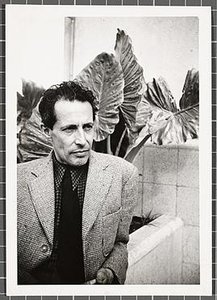
Carlos Mérida
1891 - 1984