 Skaityti daugiau


 Dėl meno kūrinių ar reprodukcijų, kurių bet kuri pusė yra didesnė nei 105 cm (apie 41 inch), rėmas bus siunčiamas kaip išskaidytas surinkimo rinkinys. Šis metodas užtikrina saugų pristatymą ir apsaugo nuo transportavimo metu galimos žalos.


Daugiau informacijos apie šį paveikslą
Teksto dydis

() ·
Jūsų paties, rankumių darbas
Rankų darbo aliejinės reprodukcijos
Rankiniu būdu tapytas aliejus ant droblio jūsų pageidaujamame dydį ir rėmuose – tai mūsų menininkų pagal užsakymą sukurtas darbas. ( Perjungti į spausdinamus版作品 Perejti prie skaitmeninių vaizdų)
Kolekcinio objekto aprašas
Admire Carlo Monaldi’s 1731 marble sculpture of St. Philip Neri – a masterpiece of Baroque realism & classical design. Explore its rich details & serene beauty.
Autoriaus biografija
Carlo Monaldi (1691-1760) was a prominent Italian Baroque sculptor renowned for his detailed marble statues of saints like St. Isaiah & St. Sebastian. A teacher at the Academy of Portugal in Rome, his works exemplify religious passion and masterful a
nuo ·
1 skyrius
Kokio dydžio turėtų būti?
Slinkite, kad pakeistumėte dydį; kairėje pusėje esančiame paveikslėlyje rodomas tikrasis rėmo plotis. Originalios proporcijų išlaikomos.
Standartinis dydis
pagal užsakymą
CM
INCH
Pasirinkite iš mūsų nustatytų dydžių, atitinkančių originalaus meno kūrinio proporcijas.
Kraunami dydžiai...

plotis
aukštis
Įveskite jums reikiamą plotį ir aukštį, kad paveikslas atitiktų jūsų rėmą ar sieną. Kadangi šis darbas yra rankinio darbo, siekiant išgauti kitokios formos dydį, paveikslas gali būti šiek tiek didesnis (nuo kraštų bus palikta daugiau erdvės) arba mažesnis – pasirinkite jums patogiausią variantą. Prieš pradedant tapyti, atsiųsime jums skaitmeninį maketą patvirtinimui. Šioje puslapio nuotraukoje matomas vaizdas nėra galutinis rezultatas – jį parodys tik sukurtas maketas.
2 skyrius
Kokia būda yra siunčiamas?
Pasirinkite ištempto drobės kraštus
Pasirinkite rėmelį

Baltas apasutojimas €1

Išblėstantis šonas €1

Išplėstinis €1

P118B €10

P118H €10

P118W €10

P438Z €10

P508JH €12

P508YH €12

P805H €10

P805Z €10

P919BZ €10

P919G €10

P919XJ €10

P959ZH €10

P968JZ €12

W106C €8

W218G €10

W218JH €8

W218Y €10

W307PJ €10

W316G €10

W316PJ €8

W316Y €10

W398PJ €8

W4111J €10

W500HY €15

W500JH €15

W692G €12

W849H €8

W940BG €15

W953PJ €8

H24-GOLD €30

H24-SILVER €30

H36-GOLD €45

H36-SILVER €45
Įrėmintas
Rėmo apvadas: . Bendras dydis su rėmu: .
3 skyrius
Kas jį vaizduoja ir ar turėtų kažkas pasikeisti?
Pavyzdžiai, ką galima pakeisti: pakeisti veidą nuotrauka su klientu; pridėti augintinį (pvz., pakeisti kucingą šuniu); įtraukti paslaptingą žinutę fone; pakeisti fono kraštotvę ar elementus.
Gavus užsakymą, OriginalUniqueArt.com komanda susisieks su klientu el. paštu dėl nurodymų ir pateiks preliminarią maketą.
Gavus užsakymą, OriginalUniqueArt.com komanda susisieks su klientu el. paštu dėl nurodymų ir pateiks preliminarią maketą.
Pristatymas visame pasaulyje () per 3–4 savaites, o ne įprastai – per 5 savaites. (6 lapkritis). Kokybė lieka nepakeičiama.
4 skyrius
Paskutinės detalės
Pavadinimo plokštelė, kaip muziejuje?
Išgraviruotos bronzinės plokštelės detalės
This elegant plaque features the artist's name and the title of the artwork, finely engraved for a timeless presentation.
It is made from bronze with a refined, elegant finish. The text is precisely laser-engraved for a sharp and permanent result. Measuring 9x2 cm, the plaque is compact yet easy to read. It's built to be durable and scratch-resistant, offering a professional, museum-quality look. Mounting is simple thanks to the included adhesive backing.
Skaidrios akrilo plokštelės informacija
The plaque includes essential engraved details such as the artist's name, the title of the artwork, the date it was created, the type of media used-like oil on canvas or watercolor-a brief description of the piece, and a QR code that links to the complete artwork information.
It is crafted from clear acrylic, offering a sleek, modern appearance. The text is UV-engraved in black to ensure strong visual contrast. With a size of 10x15 cm, it ensures optimal readability. It comes equipped with two metal hooks for secure wall mounting. The plaque is designed to be weather-resistant, making it suitable for various environments, and it includes interactive features that work seamlessly with smartphone scanning.
Juodos akrilo plokštelės informacija
This elegant plaque includes engraved information such as the artist's name, the title of the artwork, the date it was created, the type of media used (like oil on canvas or watercolor), a short description of the artwork, and a QR code for quick access to more information.
The plaque itself is made from refined black acrylic with a premium finish. The text is laser-engraved in white for high contrast and readability. Its size is 10x15 cm, designed to be easy to read. It comes with two metal hooks for professional mounting. The design is sleek and fits any interior style. It is also weather-resistant and durable, with built-in digital integration for mobile compatibility.
Apsauginis lakas?
Kada jums reikia?
5 skyrius
Jūsų paveikslas, tiksliai taip, kaip užsakėte
St. Philip Neri
Reprodukcijos technika
Reprodukcijos matmenys
-
Aukščiausios klasės meistras
Daugiau detalių, meistriškumo ir papildomo gamybos laiko
-
Reprodukcijos rėmėjimo parinktys
-
-
Dėl meno kūrinių ar reprodukcijų, kurių bet kuri pusė yra didesnė nei 105 cm (apie 41 inch), rėmas bus siunčiamas kaip išskaidytas surinkimo rinkinys. Šis metodas užtikrina saugų pristatymą ir apsaugo nuo transportavimo metu galimos žalos.
Reikalingas profesionalus surinkimas – tai nėra „pasidaryk pats“ (DIY) produktas.
Rinkinys turi būti surinktas, o drobė išplėsta naudojant patyrį profesionalų rėmininką, medžio klijus (nėra įtraukti į rinkinį), drobės plėšimo kleslę bei presas, kad rėmo rėžiai išliktų tiesūs, kol klijai išdžiūvus. Netinkamas surinkimas arba netolydus drobės įtampa gali negrįžtamai sugadinti meno kūrinį, todėl šie atvejai nėra užtraukiami mūsų garantijos.
Į komplektą įeina visi vientisos medienos elementai, tiksliai išpjauti pagal dydį.
Surmontinama naudojant pridėtus varžtus bei papildomai reikalingą medžio kliją kampų jungtims, kuris nėra pridėtas ir turi būti parinktas rėmininkui.
Reikalingi profesionalūs įrankiai, kurie nėra įtraukti į rinkinį: drobės kėlimo plytelės (stiprintuvai) ir klemiai, laikantys rėmo strygius tiesiu kampu, kol džiūsta lipas.
Svarbu:
Kampų jungtims reikalingi medžio klijai, barams reikia laikyti naudojant presas, kol klijai visiškai išdžiūvės, o surinktam rėmui įtempiamai privilgti būtinos drobės įtempimo plytযুক্ত. Šios priemonės į rinkinį neįtrauktos. Prieš užsakydami šio dydžio rinkinį, rekomenduojame pasimalkoti patyrusiu rėmų meistru.
Pavadinimo lentelė
-
-
Apsauginis lakas
Blizgus lakas (ryškina spalvas, saugo nuo šviesos ir drėgmės)
-
Personalizuoti kūrinį
Ką galima pakeisti (pavyzdžiui): pakeisti veidą klientui skirta nuotrauka; pridėti augintinį (pvz., katę pakeisti šuniu); įtraukti paslėptą žinutę fone; pakeisti fono kraštovaizdį ar elementus.
-
Skubiai
Pristatymas visame pasaulyje () per 3–4 savaites, o ne įprastai – per 5 savaites. (6 lapkritis). Kokybė lieka nepakeičiama.
-
Skubus pristatymas
Pristatymas visame pasaulyje () per 5 weeks. (13 lapkritis).
Įskaičiuota
Bendroji kaina
€ 268
Stiklo variantas prieinamas tik pasirinkus dydį iki 110 cm
Pridedama prie kiekvieno užsakymo
- Nemokamas greitasis pristatymas visame pasaulyje
- Aukštos kokybės lininis drobė
- Pilnas siuntimo draudimas
- Muitinės mokesčių grąžinimo garantija
- Tikro spalvų atitikimo garantija
- 100 dienų grąžinimo politika (tik esant įtaigoms)
- 100% pinigų grąžinimo garantija
- Nuolaida dideliems užsakymams
 Peržiūrėti realaus dydžio版
 Pasidalinti
 Dalintis
 Išsamiau
 Vadovas

 Atsisiųsti
 Panašūs eksponatai
 Rentgeno spindulių nuotrauka
 Automatinė diorama
 问答
问答 Statistika
Skaičiais
- 1731metai, kai buvo nupiežta
- 29pasirinkimo rėmai
- standartinės dydžio, savo proporcijomis
- 5savaitės sugryžti ir pristatyti
Apie originalą


Carlo Monaldi (1691-1760)
1691 - 1760, Italy
Trumpa informacija apie Carlo Monaldi (1691-1760)
- Full Name: Carlo Monaldi
- Nationality: Italian
- Date Of Birth: 1691
- Date Of Death: 1760
- Place Of Birth: Rome, Italy
- Notable Artworks:
- St Isaiah statue
- St Sebastian art
- St Vincent
- Artistic Movement Or Style: Baroque
Autoriaus biografija
The Sculptor of Roman Baroque Grandeur
Carlo Monaldi stands as a luminous figure within the vibrant tapestry of Italian Baroque sculpture, embodying the dramatic fervor and intellectual depth of eighteenth-century Rome. While historical records suggest his origins may trace back to approximately 1683, his presence in the Roman art scene was undeniably profound. Monaldi’s life was deeply intertwined with the prestigious institutions of his era, most notably the Academy of Saint Luke, where he demonstrated early brilliance by securing numerous prestigious awards throughout the first decade of the 1700s. His journey from a promising young talent to an established master reflects the rigorous academic tradition of Rome, a city that served as both his cradle and his greatest inspiration.
The evolution of Monaldi’s style reveals a profound dialogue between classical restraint and the theatrical exuberance of the Baroque movement. Though he was likely shaped by the influential Roman school of Camillo Rusconi, Monaldi possessed a unique ability to infuse marble with a sense of living breath. His early works, such as the statue of Umiltà for Santa Maria Maddalena, already whispered of the grace found in Correggio and the delicate plasticity of Camillo Mariani. As his career matured, he mastered the art of capturing movement and emotional intensity, utilizing the medium of marble to create textures that seemed to shift under the play of light and shadow.
Mastery of Form and Spiritual Expression
Monaldi’s technical prowess was most evident in his ability to translate complex theological narratives into tangible, emotive forms. His sculptures were never merely static figures; they were vessels of spiritual contemplation. In works such as his depictions of Saint Isaiah and Saint Sebastian, one observes a meticulous attention to anatomical precision paired with an extraordinary capacity for gesture. He understood that the true power of sculpture lies in the tension between the hardness of the stone and the perceived softness of the flesh, a feat he achieved through masterful carving techniques that allowed for subtle tonal variations.
The artist’s repertoire was characterized by a profound dedication to religious subjects, which allowed him to explore the heights of human passion and divine ecstasy. His ability to imbue saints with a palpable sense of vitality made his work highly sought after for prominent Roman churches and ecclesiastical commissions. Through his hands, the cold marble of the Baroque era became a medium for storytelling, where every fold of drapery and every strained muscle served to elevate the viewer's spirit toward the divine.
Legacy within the Roman Tradition
Beyond his individual creative achievements, Carlo Monaldi played a vital role in the continuity of the Roman sculptural tradition. His involvement with the Academy of Portugal and his recognized standing among his peers ensured that his influence extended to subsequent generations of artists. He was not merely a creator of objects but a participant in the grand cultural dialogue of the 18th century, bridging the gap between the late Baroque's dramatic intensity and the emerging refinements of the following era.
Today, Monaldi’s legacy is preserved in the silent, powerful presence of his surviving works, which continue to command respect for their technical excellence and emotional resonance. His contribution to the Roman school remains a testament to an age where art was the ultimate expression of faith, intellect, and human endurance. To study Monaldi is to encounter the very heart of the Baroque—a period where stone was transformed into soul.
Susiję straipsniai

Bronze Sculptures That Defined Art History | OriginalUniqueArt
Journey through art history with our Top 10 bronze sculptures! Explore masterpieces by Rodin, Michelangelo & more. Discover stories behind iconic statues and find museum-quality reproductions for your home decor at OriginalUniqueArt.com.

Bronze Age to Modern Masters: 10 Sculptures That Redefined Art | OriginalUniqueArt
Journey through art history with 10 legendary bronze sculptures – from Michelangelo's David to Rodin’s Thinker. Explore the stories, techniques & timeless beauty of these masterpieces. Find museum-quality reproductions & elevate your home decor on OriginalUniqueArt.com.

The Enduring Form: Sculpture Across History, Technique & Emotional Resonance
Explore the rich history of sculpture with OriginalUniqueArt. Discover key techniques, influential artists & investment potential for discerning collectors. Expert insights into valuing and collecting timeless masterpieces.
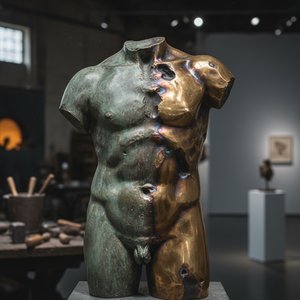
Bronzos skulptūros amžina palikimas: istorija, technikos ir šiuolaikinės interpretacijos
Atraskite bronzos skulptūrų amžiną grožį ir istoriją! Ekspertai apžvelgia prarasto vaško liejimo techniką, sudėtį bei žymiausius kūrinius. Patarimai kolekcionieriams ir meno entuziastams.