

 Peržiūrėti realaus dydžio版
 Siųsti
 Dalintis
 Išsamiau
 Vadovas

 Atsisiųsti
 Panašūs eksponatai
 Rentgeno spindulių nuotrauka
 Diaporama
 Statistika
St Jerome and St Augustine (detail)


 Rodyti daugiau
Giclée / Meno spausdinimas
Muziejų lygio „giclée“ arba drobos spausdinimas: greita gamyba ir lankstios apdailos parinktys. ( Pirkti rankomis tapytą reprodukciją Perejti prie skaitmeninių vaizdų)




P118B €10

P118H €10

P118W €10

P438Z €10

P508JH €12

P508YH €12

P805H €10

P805Z €10

P919BZ €10

P919G €10

P919XJ €10

P959ZH €10

P968JZ €12

W106C €8

W218G €10

W218JH €8

W218Y €10

W307PJ €10

W316G €10

W316PJ €8

W316Y €10

W398PJ €8

W4111J €10

W500HY €15

W500JH €15

W692G €12

W849H €8

W940BG €15

W953PJ €8




Pasirinkite iš mūsų nustatytų dydžių, atitinkančių originalaus meno kūrinio proporcijas.

Įveskite jums reikiamą plotį ir aukštį, kad atvaizdas derėtų prie jūsų rėmo ar sienos. Spausdiną galima tik sumažinti, bet nepadidinti virš originalaus paveikslėlio dydžio, todėl keičiant proporcijas, dalis vaizdo prarandama. Prieš spausdinimą atsiųsime jums skaitmeninį maketą patvirtinimui. Šioje puslapio nuotraukoje matomas pjūvis nėra tikslus – jį rodo tik maketas.
Pristatymas visame pasaulyje () per 2 weeks, o ne įprastas 4/5 savaičių laikotarpis. (27 spalis)

Nemokamas greitasis pristatymas visame pasaulyje

Aukštos kokybės lininis drobė

Pilnas siuntimo draudimas

Muitinės mokesčių grąžinimo garantija

Tikro spalvų atitikimo garantija

100 dienų grąžinimo politika (tik esant įtaigoms)

100% pinigų grąžinimo garantija

Nuolaida dideliems užsakymams
 Stiklo variantas prieinamas tik pasirinkus dydį iki 110 cm

St Jerome and St Augustine (detail)
Giclée / Meno spausdinimas
Reprodukcijos dydis
-


Visų pasirinktų variantų kaina
€ 70
A Renaissance Dialogue of Faith and Wisdom
Carlo Crivelli’s “St. Jerome and St. Augustine,” painted around 1490, isn't merely a depiction of two revered figures; it’s a carefully constructed tableau of intellectual and spiritual contemplation, steeped in the late Gothic sensibilities of Renaissance Venice. The painting immediately draws the eye with its rich palette – deep reds and browns dominate, creating an atmosphere of solemnity and introspection, punctuated by the shimmering gold of the background and the vibrant hues of the garments. Crivelli masterfully employs a technique that balances meticulous detail with a sense of ethereal beauty, characteristic of his style which he developed after leaving Venice.
The composition is strikingly intimate, framing the two saints within a shallow space that invites close observation. Jerome, identifiable by his lion skin and quill pen, sits in deep thought, seemingly lost in prayer or contemplation. His posture exudes quiet intensity, while Augustine, clad in the robes of a bishop, gestures with an open book – a potent symbol of knowledge and divine revelation. The miniature architectural model at Augustine’s feet isn't simply decorative; it represents the power and authority of the papacy, subtly reinforcing the theme of earthly and spiritual governance. The inclusion of the lion, a recurring motif in Crivelli’s work, adds an element of primal instinct and strength to the scene, grounding the intellectual pursuits of the saints within the realm of human experience.
Craftsmanship and Venetian Influence
Crivelli's mastery lies not only in his subject matter but also in his technical execution. The painting is executed in tempera on wood, a medium favored by artists during this period for its luminosity and ability to achieve fine detail. Notice the layering of glazes – thin washes of color applied over dry layers – that create depth and richness in the fabrics and textures. The artist’s attention to detail is remarkable; from the intricate folds of the robes to the delicate rendering of Jerome's beard, every element contributes to a sense of realism and immediacy. The use of *trompe-l'oeil* techniques—the illusion of three-dimensionality—is particularly evident in the miniature building, which seems to leap out from the surface of the panel.
Crivelli’s Venetian training is undeniable, yet he forged a distinct style that set him apart from his contemporaries. While influenced by the meticulous realism of artists like Squarcione and the decorative elegance of Vivarini, Crivelli infused his work with a greater sense of emotional intensity and psychological depth. This painting exemplifies this shift – it’s not just a portrait of two saints; it's an exploration of their inner lives and the profound questions they grappled with.
Symbolism and Spiritual Resonance
Beyond the immediate depiction of Jerome and Augustine, the painting is laden with symbolic meaning. Jerome, traditionally associated with writing and contemplation, represents the pursuit of wisdom through scripture. Augustine, a pivotal figure in Christian theology, embodies faith, reason, and the struggle to reconcile divine revelation with human experience. The presence of the lion symbolizes strength and vigilance, while the open book signifies the importance of knowledge and learning. The overall composition suggests a dialogue between these two figures – a conversation between intellect and spirituality, earthly authority and divine grace.
Considered within the context of 1490s Venice, a city grappling with political upheaval and religious reform, “St. Jerome and St. Augustine” offers a poignant reflection on the challenges of navigating faith and reason in a turbulent world. It’s a testament to Crivelli's skill as an artist and his ability to capture the complexities of human experience within a framework of profound spiritual significance. Reproductions of this work continue to resonate with viewers today, offering a glimpse into the artistic and intellectual currents of the Renaissance.
问答 (or more naturally for a website heading): Klausimai ir atsakymai
Kaip suformuota „St Jerome and St Augustine (detail)“, autorius – Karlo Krivelli spalvų kompozicija?
„St Jerome and St Augustine (detail)“, autorius – Karlo Krivelli spalvų kompozicija sujungia Balanced kontrastą su Strong Color Unity harmonija.
Atsižvelgiant į kūrinio datą, prie kokios Karlo Krivelli karjeros etapos galima priskirti „St Jerome and St Augustine (detail)“?
1490 m. data įtraugia "St Jerome and St Augustine (detail)" į Karlo Krivelli kūrybinio plėtojimo Mature Renaissance laikotarpį.
Kada ir kokiais medžiagomis buvo sukurta „St Jerome and St Augustine (detail)“?
Darbų technika kūriniui „St Jerome and St Augustine (detail)“, autorius – Karlo Krivelli yra Oil, o jo kūrybinė data – 1490.
Autoriaus biografija
ankstyvasis gyvenimas ir mokslas
Carlo Crivelli, italietsų renesanso paveikslastoriaus, gimė Venecijoje maždaug 1430–1435 metais. Jis kilme iš paveikslastorių šeimos ir savo meninę formaciją įgijo Venecijoje bei Paduvoje. Teigiama, kad Crivelli ankstyvojo mokymosi metai praėjo dirbant su Jacobello del Fiore, kuris buvo aktyvus dar 1436 metais. Taip pat jis studijavo Venecijos Vivarini mokykloje.
karjera ir stilius
Savo ankstyvuosius metus Crivelli praleido Veneto regione, vis intensyviau įsisavinęs Vivarini, Squarcione ir Mantegna įtakas. 1458 metais jis paliko Veneto ir didžiąją savo karjeros dalį praleido Anconos markuose, kur sukūrė išskirtinę asmeninę stilių, kontrastuojantį su jo venecietės amžininko Giovanni Bellini kūryba. Crivelli darbams būdingas konservatyvus vėlyvojo gotiko dekoratyvumas, pasižymintis linijiniu ryškumu, itin kruopščiu dėmesiui detalėms at dedicating ir „trompe l'oeil“ technikos naudojimu.
pastebimieji darbai ir bendradarbiavimas
* Carlo Crivelli paveikslas „Didžioji Dievo Motina su Šv로 Child tronuose“ (106 x 55 cm, Budapesto gražiosios dailės muziejus, Vengrija) yra puikus jo stiliaus pavyzdys. * Jis bendradarbiavo su savo jaunesniuoju broliu Vittorio Crivelli įvairiuose projektuose. * Pietro Alemanno, paveikslastoris, emigravęs į Anconos markus iš Voklijos ar Austrijos, buvo jo mokinys ir bendrininkas.
muziejai ir kolekcijos
* Milane, Italijoje, esančioje Pinacoteca di Brera galerijoje eksponuojami keli Crivelli darbai, įskaitant „Pietą“ (128 x 241 cm). * Venecijoje, Italijoje, esančiame San Giovanni in Bragora muziejuje, yra kolekcija meno kūrinių iš įvairių laikotarpių ir stilių, įskaitant kai kurias works, priskritas Crivelli.
- peržiūrėti Carlo Crivelli kūrinius OriginalUniqueArt.com
- atkreipti dėmesį į Jacopo Robusti darbus OriginalUniqueArt.com
- skaityti daugiau apie Carlo Crivelli Wikipedijoje
Crivelli palikimas ir toliau įkvepia tiek meno entuziastus, tiek mokslininkus, o jo kūryba išlieka įrodymu neblėstančios konservatyvaus vėlyvojo gotiko dekoratyvumo galios.

Karlo Krivelli
1435 - 1495 , इटalija
Trumpa informacija apie kūrėją
- Artinis Stilius Ar Kryptis: Vėlioji gotika/Renesansas
- Gimimo Data: apie 1430-35 Venecija
- Gimimo Vieta: Venecija, Italija
- Mirties Data: apie 1495 Italija
- Movitai Šio Paveikslio Autoriaus Arba Krypties Paveikslavai: ['Giovanni Bellini']
- Paveikslavai, Kurie Paveikė Šį Paveikslio Autorių:
- Jacobello del Fiore
- Vivarini
- Squarcione
- Mantegna
- Tautybė: Italų
- Vardas Ir Pavardė: Carlo Crivelli
- Žinomos Kūriniai:
- Madona su Šv로čiu
- Šventasis Bartlomiejus
- Šventasis Rokas
Susiję straipsniai

El Greco Šedevrai: Top 25 Darbai, Įkvėpę Meną ir Interjerus
Atraskite 25 įspūdingiausius El Greco kūrinius! Išsami analizė, meno istorija ir technikos paslaptys. Renesanso meistro paveikslai jūsų interjerui – aukštos kokybės reprodukcijos OriginalUniqueArt.com. Explore the full collection online!
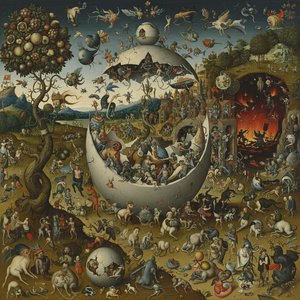
Hieronimo Bošiaus Šedevrai: 25 Išskirtiniai Meno Kūriniai Jūsų Interjerui
Atraskite 25 įspūdingiausius Hieronimo Bošiaus paveikslus! Gilinkitės į renesanso meną, simbolizmą ir viduramžių tapybos paslaptis. Meno reprodukcijos jūsų interjerui – OriginalUniqueArt.com
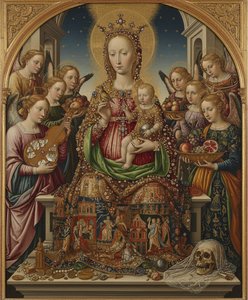
Carlo Crivelli: Mysticism & Materiality in Renaissance Venice
Explore the captivating world of Carlo Crivelli, a Renaissance master blending Gothic detail with profound symbolism. Discover his unique style & lasting influence on Venetian art history.
Albrecht Dürer's Masterpieces: 25 Iconic Artworks for Your Home | OriginalUniqueArt
Explore 25 iconic artworks by Albrecht Dürer, a master of the German Renaissance. Discover the stories behind Melencolia I, Knight Death and Devil & more. Find museum-quality art reproductions for your home at OriginalUniqueArt.com.

Mastering Devotion: The Most Iconic Depictions of Saint Jerome in Art History
Explore the profound iconography of Saint Jerome through art history's most iconic masterpieces. From Renaissance serenity to Baroque drama, discover how legendary painters captured divine devotion in breathtaking oil paintings and fine art reproductions.
