

 Peržiūrėti realaus dydžio版
 Siųsti
 Dalintis
 Išsamiau
 Vadovas

 Atsisiųsti
 Panašūs eksponatai
 Rentgeno spindulių nuotrauka
 Diaporama
 Statistika
Enthroned Madonna


 Rodyti daugiau
Giclée / Meno spausdinimas
Muziejų lygio „giclée“ arba drobos spausdinimas: greita gamyba ir lankstios apdailos parinktys. ( Pirkti rankomis tapytą reprodukciją Perejti prie skaitmeninių vaizdų)




P118B €10

P118H €10

P118W €10

P438Z €10

P508JH €12

P508YH €12

P805H €10

P805Z €10

P919BZ €10

P919G €10

P919XJ €10

P959ZH €10

P968JZ €12

W106C €8

W218G €10

W218JH €8

W218Y €10

W307PJ €10

W316G €10

W316PJ €8

W316Y €10

W398PJ €8

W4111J €10

W500HY €15

W500JH €15

W692G €12

W849H €8

W940BG €15

W953PJ €8




Pasirinkite iš mūsų nustatytų dydžių, atitinkančių originalaus meno kūrinio proporcijas.

Įveskite jums reikiamą plotį ir aukštį, kad atvaizdas derėtų prie jūsų rėmo ar sienos. Spausdiną galima tik sumažinti, bet nepadidinti virš originalaus paveikslėlio dydžio, todėl keičiant proporcijas, dalis vaizdo prarandama. Prieš spausdinimą atsiųsime jums skaitmeninį maketą patvirtinimui. Šioje puslapio nuotraukoje matomas pjūvis nėra tikslus – jį rodo tik maketas.
Pristatymas visame pasaulyje () per 2 weeks, o ne įprastas 4/5 savaičių laikotarpis. (22 spalis)

Nemokamas greitasis pristatymas visame pasaulyje

Aukštos kokybės lininis drobė

Pilnas siuntimo draudimas

Muitinės mokesčių grąžinimo garantija

Tikro spalvų atitikimo garantija

100 dienų grąžinimo politika (tik esant įtaigoms)

100% pinigų grąžinimo garantija

Nuolaida dideliems užsakymams
 Stiklo variantas prieinamas tik pasirinkus dydį iki 110 cm

Enthroned Madonna
Giclée / Meno spausdinimas
Reprodukcijos dydis
-


Visų pasirinktų variantų kaina
€ 70
A Throne of Faith: Carlo Crivelli’s “Enthroned Madonna”
The year is 1473, and within the bustling workshops of Venice, Carlo Crivelli was meticulously crafting an image destined to resonate through centuries – the “Enthroned Madonna.” This isn't merely a portrait; it’s a profound meditation on faith, royalty, and divine motherhood, rendered with the meticulous detail characteristic of the early Renaissance. The panel painting, measuring an unknown size but radiating an undeniable presence, immediately draws the viewer into its richly layered composition, a testament to Crivelli’s skill in blending Venetian influences with his own developing artistic voice.
Crivelli's journey began in Venice, absorbing the linear elegance of Jacopo Bellini and the vibrant color palettes of Giovanni Bellini. However, he soon sought his own path, establishing a base in the March of Ancona, where he cultivated a style that prioritized clarity, decorative elements, and a subtly restrained emotionality. This piece exemplifies that approach perfectly – it’s not an explosion of feeling, but rather a carefully constructed tableau of piety and reverence.
A Symphony of Figures: Composition and Technique
The painting centers on the Virgin Mary, seated upon a magnificent throne adorned with intricate gold leaf and geometric patterns. She holds the Christ Child in her lap, his gaze serene and accepting. Surrounding them is a carefully orchestrated procession of saints and biblical figures – St. John the Baptist, St. Peter, and various other prophets and martyrs – each rendered with remarkable precision. The arrangement follows a clear hierarchical structure, reflecting the importance of Mary and Christ within Christian theology. Crivelli masterfully employs perspective, creating a sense of depth through overlapping forms and subtle shading, though it’s characteristic of the period's panel painting techniques rather than a fully developed Renaissance approach.
The technique itself is rooted in tempera on wood panel, a medium favored for its durability and ability to achieve luminous colors. The surface has a slightly textured quality, indicative of multiple layers of paint applied over time. Close examination reveals the artist’s deliberate attention to detail – the folds of the drapery, the intricate patterns on the throne, and the delicate rendering of each figure's facial features all speak to Crivelli’s dedication to his craft.
Symbolism Woven into the Fabric
Beyond its formal composition, the “Enthroned Madonna” is laden with symbolic meaning. The throne itself represents Mary’s divine status and her role as Queen of Heaven. The gold leaf symbolizes wealth, glory, and the sacredness of the subject matter. The lilies held by Mary are a traditional symbol of purity and innocence. Christ's presence signifies his divinity and humanity, while his gestures suggest acceptance and grace. Even the positioning of the figures – Mary seated centrally, with Christ nestled in her lap – reinforces their central importance within the Christian narrative.
The inclusion of various saints serves to underscore the universality of faith and the interconnectedness of the heavenly court. Each figure is carefully chosen to represent a specific virtue or aspect of Christian belief, contributing to the painting’s overall message of spiritual authority and devotion. The use of halos, a common feature in Renaissance art, further emphasizes the holiness of these figures.
A Legacy of Devotion
Carlo Crivelli's “Enthroned Madonna” is more than just a beautiful artwork; it’s a window into the religious and artistic sensibilities of 15th-century Italy. Its enduring appeal lies in its masterful composition, meticulous technique, and profound symbolism – a testament to the power of art to convey complex theological ideas with grace and elegance. Reproductions of this piece offer a captivating glimpse into a world where faith, royalty, and beauty converged, continuing to inspire contemplation and reverence today.
问答 (or more naturally for a website heading): Klausimai ir atsakymai
Iš kur renkasi „Enthroned Madonna“, autorius – Karlo Krivelli lankytojai?
„Enthroned Madonna“, autorius – Karlo Krivelli puslapio Statistika statistika rodo viešųjų apsilankymų duomenis: šio kūrinio mėnesinius apsilankymus, palyginimą su daugiausia peržiūrėtomis šio autoriaus dalimis bei tai, iš kur ateina lankytojai.
Ką „Enthroned Madonna“ turi bendro su kitais Karlo Krivelli kūriniais?
Karlo Krivelli kūryboje „Enthroned Madonna“ pasižymi Early Renaissance stiliumi, derinant jį su late gothic influence, devotional piety & faith, symbolic religious narrative, venetian artistic tradition, anconan regional patronage, madonna and child archetype, crivelli's iconic imagery", detailed temomis.
Ar galiu pamatyti „Enthroned Madonna“, autorius – Karlo Krivelli rentgeno nuotrauką?
Darbino „Enthroned Madonna“, autorius – Karlo Krivelli puslapio Rentgenas veją yra interaktyvus naršyklė, leidžiantis peržiūrėti vienu metu vienąn ਤੋਂ vienas dvylkant optinių vaizdo sluoksnių, įskaitant rentgeno tipo vaizdą.
Autoriaus biografija
ankstyvasis gyvenimas ir mokslas
Carlo Crivelli, italietsų renesanso paveikslastoriaus, gimė Venecijoje maždaug 1430–1435 metais. Jis kilme iš paveikslastorių šeimos ir savo meninę formaciją įgijo Venecijoje bei Paduvoje. Teigiama, kad Crivelli ankstyvojo mokymosi metai praėjo dirbant su Jacobello del Fiore, kuris buvo aktyvus dar 1436 metais. Taip pat jis studijavo Venecijos Vivarini mokykloje.
karjera ir stilius
Savo ankstyvuosius metus Crivelli praleido Veneto regione, vis intensyviau įsisavinęs Vivarini, Squarcione ir Mantegna įtakas. 1458 metais jis paliko Veneto ir didžiąją savo karjeros dalį praleido Anconos markuose, kur sukūrė išskirtinę asmeninę stilių, kontrastuojantį su jo venecietės amžininko Giovanni Bellini kūryba. Crivelli darbams būdingas konservatyvus vėlyvojo gotiko dekoratyvumas, pasižymintis linijiniu ryškumu, itin kruopščiu dėmesiui detalėms at dedicating ir „trompe l'oeil“ technikos naudojimu.
pastebimieji darbai ir bendradarbiavimas
* Carlo Crivelli paveikslas „Didžioji Dievo Motina su Šv로 Child tronuose“ (106 x 55 cm, Budapesto gražiosios dailės muziejus, Vengrija) yra puikus jo stiliaus pavyzdys. * Jis bendradarbiavo su savo jaunesniuoju broliu Vittorio Crivelli įvairiuose projektuose. * Pietro Alemanno, paveikslastoris, emigravęs į Anconos markus iš Voklijos ar Austrijos, buvo jo mokinys ir bendrininkas.
muziejai ir kolekcijos
* Milane, Italijoje, esančioje Pinacoteca di Brera galerijoje eksponuojami keli Crivelli darbai, įskaitant „Pietą“ (128 x 241 cm). * Venecijoje, Italijoje, esančiame San Giovanni in Bragora muziejuje, yra kolekcija meno kūrinių iš įvairių laikotarpių ir stilių, įskaitant kai kurias works, priskritas Crivelli.
- peržiūrėti Carlo Crivelli kūrinius OriginalUniqueArt.com
- atkreipti dėmesį į Jacopo Robusti darbus OriginalUniqueArt.com
- skaityti daugiau apie Carlo Crivelli Wikipedijoje
Crivelli palikimas ir toliau įkvepia tiek meno entuziastus, tiek mokslininkus, o jo kūryba išlieka įrodymu neblėstančios konservatyvaus vėlyvojo gotiko dekoratyvumo galios.

Karlo Krivelli
1435 - 1495 , इटalija
Trumpa informacija apie kūrėją
- Artinis Stilius Ar Kryptis: Vėlioji gotika/Renesansas
- Gimimo Data: apie 1430-35 Venecija
- Gimimo Vieta: Venecija, Italija
- Mirties Data: apie 1495 Italija
- Movitai Šio Paveikslio Autoriaus Arba Krypties Paveikslavai: ['Giovanni Bellini']
- Paveikslavai, Kurie Paveikė Šį Paveikslio Autorių:
- Jacobello del Fiore
- Vivarini
- Squarcione
- Mantegna
- Tautybė: Italų
- Vardas Ir Pavardė: Carlo Crivelli
- Žinomos Kūriniai:
- Madona su Šv로čiu
- Šventasis Bartlomiejus
- Šventasis Rokas
Susiję straipsniai
The Art of Italian Living: Transform Your Home with Timeless Landscapes and Renaissance Masterpieces
Elevate your home with the timeless romance of Italy. Discover expert-curated, hand-painted Italian landscapes and Renaissance-inspired masterpieces. From bespoke oil reproductions to custom portraits from photos, transform your space with elegance and artistic passion.
Mario Sironi: A Poetic of Modern Italian Identity Through Symbolism & Social Commentary
Explore the profound works of Mario Sironi, a key figure in Italian Modernism. Discover his evolution from Futurism to Metaphysical painting and his powerful social commentary. Learn about his legacy at OriginalUniqueArt.

Carlo Carrà: Futurist Visions & Metaphysical Transformations in Early 20th-Century Italian Painting
Explore the artistic journey of Carlo Carrà, a pivotal figure in Italian Futurism & Metaphysical painting. Discover his dynamic compositions, collaborations with de Chirico, and lasting influence on modern art history.
Rafaelio Šedevrai: Top 25 Tapybų Kūriniai Jūsų Interjerui | OriginalUniqueArt
Atraskite 25 įspūdingiausius Rafaelio paveikslus! Išsami istorija, technikos ir meno stiliai. Renesanso tapybos šedevrai jūsų interjerui – aukštos kokybės reprodukcijos OriginalUniqueArt.com. Explore the full collection online!
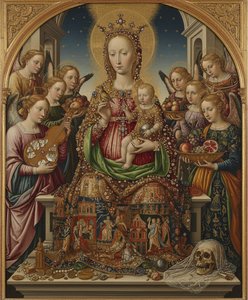
Carlo Crivelli: Mysticism & Materiality in Renaissance Venice
Explore the captivating world of Carlo Crivelli, a Renaissance master blending Gothic detail with profound symbolism. Discover his unique style & lasting influence on Venetian art history.
