
 Peržiūrėti realaus dydžio版
 Siųsti
 Dalintis
 Išsamiau
 Vadovas

 Atsisiųsti
 Panašūs eksponatai
 Rentgeno spindulių nuotrauka
 Diaporama
 Statistika
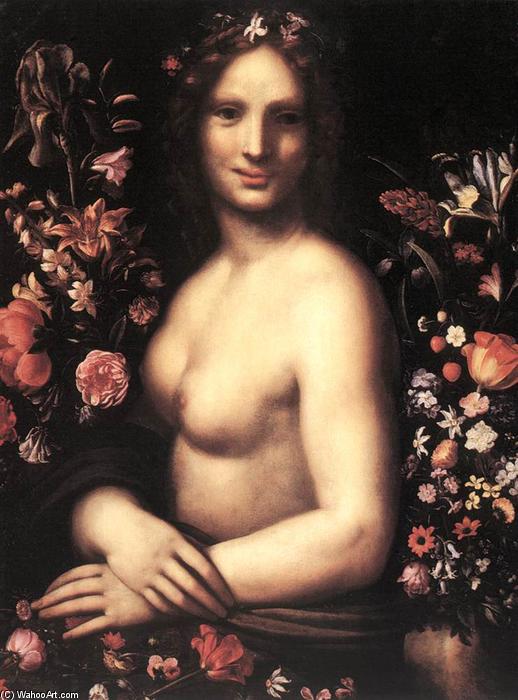
Flora


 Rodyti daugiau
Įsigykite aukštos skiriamosios raiškos, patobulintą skaitmeninį vaizdą, gerokai pranašesnį už internetinę peržiūrą.
Kiekvieną failą mūsų specialistai kruopščiai paruošia naudojant pažangias technologijas ir profesionalų rankinį retušavimą. Užtikriname, kad kiekvienas vaizdas pasižymėtų išskirtiniu aiškumu, tikslia spalvų atspalviu ir smulkiomis detalėmis.
Baigiamas failas el. paštu pristatomas per 72 valandas; jis optimizuotas nedelsiant naudojimui profesionalioje, redakcinėje ir spausdinimo aplinkoje. Tai ta pati kokybė, kuria pasitiki aukščiausios klasės dizaino studijos, leidyklos ir galerijos.
Skaitmeninis vaizdas
Atsisiųskite didelės raiškos failą asmeniniam naudojimui, spausdinimui ir kūrybiniams projektams. ( Perjungti į spausdinimą Pirkti rankomis tapytą reprodukciją)
Kiekvieną skaitinio vaizdo užsakymą papildė
Profesionalus skaitmeninis vaizdų pristatymas, garantuotas
Pasirinkę OriginalUniqueArt.com, jūs ne tik gaunate paveikslėlį – jūs gaunate profesionaliai patobudintą skaitmeninį kūrinį, sukurtą itin tikniai ir užtikrinantį pasitenkinimą. Štai viską, kas automatiškai pritékia jūsų užsakymui:

Greitas nuotraukų gavimas el. paštu
Jūsų aukštos raiškos skaitmeninis vaizdo failas bus išsiųstas el. paštu per 72 valandas nuo užsakymo – jis bus paruoštas naudoti be jokių papildomų veiksmų.

Skaitmeninis failas su dirbtiniu intelektu
Jūsų meno kūrinys profesionaliai optimizuojamas naudojant pažangius dirbtinio intelekto įrankius ir rankinį redagavimą, užtikrinant maksimalią detalę, aiškumą ir spalvų tikslumą.

Nemokamas visam laikui pakartotinis siuntimas
Atsitiktinai ištrytikote ar praradote savo failą? Nebijokite – bet kuriuo metu atsiųsime jį jums vėl nemokamai.

Jokio importo mokesčio – niekada
Mėgaukitės savo meno kūriniu akimirka – skaitiniai failai visada yra neapmokestinami, todėl nereikės mokėti muitinės, mokesčių ar pristatymo mokesčių.

Spalvų tikslumo garantija
Naudodami profesionalią įrangą ir spalvų valdymo sistemas, užtikriname, kad jūsų skaitmeninis vaizdas kuo tiksliau atspindėtų originalias spalvas.

100 dienų patikimumo garantija
Jei nebuvosite patenkinti įsigyto skaitmeninio vaizdo, mes jį tališkai koreguosime arba grąžinsime 100% sumą per 100 dienų – be jokių klausimų.

100% pinigų grąžinimo garantija
Nesitenkinate? Gaukite visą sumokėtą sumą per 100 dienų nuo skaitmeninio failo gavimo – be jokių papildomų klausimų.

Nuolaidos dideliems užsakymams
Pirkti 3 nuotraukas – 10% nuolaida – Pirkti 5 – 15% nuolaida – Pirkti 10 ir daugiau – 20% nuolaida. Puikiai tinka kūrybiniams projektams, galerijoms bei agentūroms.
Autoriaus biografija
Carlo Antonio Procaccini: A Milanese Master of Still Life and Landscape
Born in Bologna in 1555, Carlo Antonio Procaccini emerged as a significant figure within the late-Renaissance artistic landscape, though his legacy remains somewhat understated compared to some of his contemporaries. He was part of a prolific family of artists – son of Ercole, brother to Camillo and Giulio Cesare the Elder, and father to Ercole the Younger – each contributing to the vibrant art scene of Bologna and Milan. Initially trained by his father, Procaccini quickly distinguished himself not through grand historical narratives or religious frescoes, but through a keen eye for detail and an exceptional ability to capture the ephemeral beauty of nature in both landscapes and still lifes. While his family was known for more traditional artistic pursuits, Carlo Antonio carved out his own niche, demonstrating a particular aptitude for depicting floral arrangements, luscious fruits, and serene landscapes that would define his career.
From Bologna to Milan: Developing a Unique Artistic Voice
Procaccini’s early years were rooted in the artistic traditions of Bologna, but it was his relocation to Milan around 1587 that truly shaped his distinctive style. This move coincided with a period of significant artistic flourishing in Milan, fueled by patronage from wealthy families like the Visconti Borromeo. It was here that Procaccini found fertile ground for his talents, particularly excelling in still life painting – a genre gaining increasing popularity across Europe at the time. Unlike some of his contemporaries who focused on dramatic or allegorical subjects, Procaccini’s still lifes possessed a quiet elegance and meticulous realism. He masterfully rendered textures—the velvety sheen of ripe peaches, the delicate translucence of petals, the rough bark of fruit trees—creating compositions that were both visually stunning and deeply evocative of sensory experience. His landscapes, too, while less numerous than his still lifes, demonstrated a similar attention to detail and a preference for tranquil scenes, often imbued with a subtle sense of spirituality.
Influences and Artistic Development
Procaccini’s artistic development was undoubtedly influenced by the broader trends of the late Renaissance. The meticulous observation of nature championed by artists like Leonardo da Vinci and Albrecht Dürer resonated deeply within his work. However, Procaccini also demonstrated a clear affinity for Flemish painting, particularly the rich color palettes and detailed rendering of textures characteristic of Northern European masters. This influence is evident in the abundance of detail and the almost tangible quality of his floral arrangements. While he maintained a connection to the Mannerist style prevalent during his early training, Procaccini gradually moved towards a more naturalistic approach, prioritizing accurate representation over stylized forms. His landscapes, often featuring classical ruins or idyllic countryside scenes, reveal an appreciation for atmospheric perspective and a desire to capture the fleeting effects of light and shadow.
A Prolific Artist with a Lasting Legacy
Contemporary accounts, notably from Luigi Lanzi, attest to Procaccini’s prolific output and the high demand for his paintings among collectors. However, despite this recognition during his lifetime, relatively few of his works have survived or been definitively attributed to him, making it challenging to fully assess the scope of his artistic achievement. The two signed and dated landscapes from 1616 offer invaluable insights into his style and demonstrate a remarkable ability to integrate narrative elements within serene natural settings. Though less widely known today than some of his more celebrated contemporaries, Carlo Antonio Procaccini’s contribution to late-Renaissance art should not be underestimated. His exquisite still lifes and tranquil landscapes stand as testaments to his keen observation skills, technical mastery, and enduring appreciation for the beauty of the natural world. He died in Milan in 1630, leaving behind a legacy that continues to captivate viewers with its quiet elegance and meticulous detail.
The Procaccini Family: A Dynasty of Artistic Talent
To fully understand Carlo Antonio’s place within art history, it's essential to consider the broader context of his family. The Procaccinis were a dynasty of artists who significantly impacted the artistic landscape of Bologna and Milan for over a century. Ercole Procaccini the Elder, Carlo Antonio’s father, established the family’s reputation as skilled painters. His sons, Camillo, Giulio Cesare, and Carlo Antonio, each pursued successful artistic careers, contributing to various genres including frescoes, portraits, and religious paintings. Ercole Procaccini the Younger, Carlo Antonio’s son, continued the family tradition, further solidifying their presence in the art world. This familial network fostered a collaborative environment where techniques and influences were shared across generations, resulting in a distinctive artistic style that characterized the Procaccini legacy.

carlo antonio procaccini
1555 - 1630 , Italy
Pagrindinė informacija
- Artistic Movement Or Style: Late-Renaissance
- Artists Who Influenced This Artist: ['Ercole Procaccini the Elder']
- Date Of Birth: 1555
- Date Of Death: 1630
- Full Name: Carlo Antonio Procaccini
- Nationality: Italian
- Notable Artworks: ['Flora']
- Place Of Birth: Bologna, Italy