Peržiūrėti realaus dydžio版
 Siųsti
 Dalintis
 Išsamiau
 Vadovas

 Atsisiųsti
 Panašūs eksponatai
 Rentgeno spindulių nuotrauka
 Diaporama
 Statistika
John Moore


 Rodyti daugiau
Giclée / Meno spausdinimas
Muziejų lygio „giclée“ arba drobos spausdinimas: greita gamyba ir lankstios apdailos parinktys. ( Pirkti rankomis tapytą reprodukciją Perejti prie skaitmeninių vaizdų)




P118B €10

P118H €10

P118W €10

P438Z €10

P508JH €12

P508YH €12

P805H €10

P805Z €10

P919BZ €10

P919G €10

P919XJ €10

P959ZH €10

P968JZ €12

W106C €8

W218G €10

W218JH €8

W218Y €10

W307PJ €10

W316G €10

W316PJ €8

W316Y €10

W398PJ €8

W4111J €10

W500HY €15

W500JH €15

W692G €12

W849H €8

W940BG €15

W953PJ €8




Pasirinkite iš mūsų nustatytų dydžių, atitinkančių originalaus meno kūrinio proporcijas.

Įveskite jums reikiamą plotį ir aukštį, kad atvaizdas derėtų prie jūsų rėmo ar sienos. Spausdiną galima tik sumažinti, bet nepadidinti virš originalaus paveikslėlio dydžio, todėl keičiant proporcijas, dalis vaizdo prarandama. Prieš spausdinimą atsiųsime jums skaitmeninį maketą patvirtinimui. Šioje puslapio nuotraukoje matomas pjūvis nėra tikslus – jį rodo tik maketas.
Pristatymas visame pasaulyje () per 2 weeks, o ne įprastas 4/5 savaičių laikotarpis. (25 spalis)

Nemokamas greitasis pristatymas visame pasaulyje

Aukštos kokybės lininis drobė

Pilnas siuntimo draudimas

Muitinės mokesčių grąžinimo garantija

Tikro spalvų atitikimo garantija

100 dienų grąžinimo politika (tik esant įtaigoms)

100% pinigų grąžinimo garantija

Nuolaida dideliems užsakymams
 Stiklo variantas prieinamas tik pasirinkus dydį iki 110 cm

John Moore
Giclée / Meno spausdinimas
Reprodukcijos dydis
-


Visų pasirinktų variantų kaina
€ 70
A Glimpse Into Georgian Grandeur
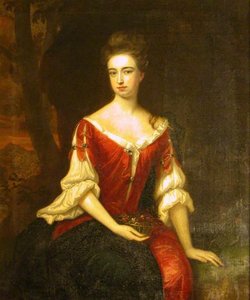
In the quiet dignity of Sir Godfrey Kneller’s portrait of John Moore, we find more than just a likeness; we encounter a window into the refined elegance of the early eighteenth century. Painted in 1705, this work serves as a profound testament to the era of the Restoration and the burgeoning sophistication of Georgian Britain. The subject, John Moore, is presented with a commanding yet intimate presence, his gaze meeting the viewer with an unwavering directness that bridges the centuries. As he sits poised in his chair, the subtle details of his attire—the crisp, long white collar and the somber, structured black vest—speak volumes of a man of status, embodying the formal decorum that defined the upper echelons of society during Kneller's prolific career.
The composition is masterfully orchestrated to draw the eye toward Moore’s countenance, yet it does not leave the viewer in isolation. The presence of secondary figures in the periphery adds a layer of narrative depth, suggesting a social milieu filled with movement and connection. This arrangement creates a sense of lived experience, as if we have stumbled upon a private moment within a bustling aristocratic estate. For the discerning collector or interior designer, such a piece offers an unparalleled opportunity to introduce a sense of historical weight and classical poise to a contemporary space, acting as a focal point that commands respect and invites contemplation.
The Mastery of Light and Shadow
To understand the allure of this portrait, one must delve into the technical brilliance of Sir Godfrey Kneller, a painter whose name became synonymous with the English Baroque. Kneller was a virtuoso of chiaroscuro, utilizing the dramatic interplay between light and shadow to sculpt the features of his subjects with remarkable three-dimensionality. In this depiction of Moore, the light does not merely illuminate; it breathes life into the textures of the fabric and the subtle contours of the face. By employing techniques such as grisaille—the application of delicate white pigments over darker underpaintings—Kneller achieved a luminous quality that makes the highlights on the collar and skin appear to glow from within.
This meticulous approach to light serves a dual purpose: it provides a hyper-realistic texture that satisfies the eye, and it imbues the portrait with a psychological depth. The shadows are not merely absences of light but are used to suggest the gravity and character of the man portrayed. This interplay creates an emotional resonance, evoking a sense of nostalgia for a lost age of refinement. For those seeking to adorn a room with art that possesses both substance and soul, Kneller’s ability to capture the very essence of his subject through technical precision offers a timeless aesthetic appeal that transcends mere decoration.
A Legacy of Prestige and Presence
The historical significance of this work is inextricably linked to Kneller's role as the preeminent portraitist of his age. As the court painter to successive monarchs, including Charles II and George I, Kneller shaped the visual identity of a nation. His "Kit-Cat" portraits and individual commissions like that of John Moore were instrumental in documenting the power structures and cultural aspirations of the British elite. To possess a reproduction of such a work is to hold a piece of art history—a fragment of the era when the visual landscape of Britain was being redefined by the brushstrokes of a master.
Beyond its historical value, the portrait offers a profound emotional impact. It evokes a sense of permanence and stability in an ever-changing world. The dignified posture of Moore and the classical balance of the composition provide a calming, sophisticated energy to any setting, whether it be a formal library, a stately dining room, or a modern gallery space. It is an investment in atmosphere, bringing the prestige of the Baroque period into the heart of the modern home, and ensuring that the elegance of 1705 continues to inspire generations to come.
问答 (or more naturally for a website heading): Klausimai ir atsakymai
Kokios nacionalinės kilmės šaknys slypi „John Moore“ Baroque?
„John Moore“ kūrybinę vadovavo Godfrėjus Kneleris, gimęs/usi Vokietija, remiantisсяs Baroque stiliaus tendencijomis. Kūrėjo kilmė sujungia šį kūrinį su Baroque kryptimi, kurios atstoviai iš Vokietija taip pat laikosi.
Ar „John Moore“, autorius – Godfrėjus Kneleris yra viešosios teisės?
Autorių teisių statusas kūriniui „John Moore“, autorius – Godfrėjus Kneleris: kūrinys priklauso pripa принадле belongs to the public domain – jo autorinė teisė pasibaigusi. Tai nulemia, ar galima laisvai reprodukciuoti šį vaizdą.
Kiek ryški yra „John Moore“ spalva?
„John Moore“, autorius – Godfrėjus Kneleris spalvos pasižymi Muted nasyginimu ir Monochromatic intensyvumu.
Autoriaus biografija
Sir Godfrey Kneller: Manieros meistras
Godfrey Knelleris (1646–1723) – monumentali figūra anglų baroko mene, žinomas pirmiausia dėl neprivalomo įgūdžio užfiksuoti garsių asmenų portretus – ypač vadinamųjų „Kit-Cat“ portretų. Šie išskirtinio detališkumo paveikslai, kuriuose aristokratiškuose interjeruose vaizduojami katės, pabrėžia kruopštumą ir gilų supratimą apie vizualinę kultūrą. Gimęs Gotfrydas Knilleris Liubeke (Vokietija), maždaug 1675 m. emigravo į Angliją, įsitvirtindamas kaip vaisingas portretistas ir gaudamas prestižinius užsakymus iš karališkosios šeimos bei aristokratijos Karolio II ir Jurgio I valdymo metais. Jo palikimas apima daugiau nei tik meninį pasiekimą; jis vaidino svarbų vaidmenį formuojant Džordžijos Britanijos vizualinę aplinką ir ugdant nuolatinį susižintinimą su karališkosios globos menu.- Ankstyvas gyvenimas ir mokymasis: Knellerio jaunystės metus praleido studijuodamas pas savo brolį Johaną Zacharias Knellerį, kuris įskiepijo jam griežtą požiūrį į piešimą ir tapybą – jo meninės filosofijos kertinį akmenį. Ši disciplinuota mokymo sistema lavino jo stebėjimo įgūdžius ir paruošė portretų kūrimo reikalavimams, kurie turėjo perteikti ne tik fizinę išvaizdą, bet ir psichologinį charakterį.
- „Kit-Cat“ portreto fenomenas: Knellerio šlovė pakilo į viršūnę dėka jo novatoriškų „Kit-Cat“ portretų. Šiuose paveiksluose katės buvo kruopščiai atvaizduojamos kartu su savo aristokratiškais šeimininkais, atspindėdamos augantį dekoratyvinio meno trendą ir signalizuodamos perėjimą prie subjekto vaizdavimo jo buities aplinkoje. Simbolika, įdiegta šiuose portretuose – turtas, statusas ir intelektualiniai pomėgiai – parodo Knellerio aštrų supratimą apie šiuolaikines socialines normas.
- Karališkosios globos ir meninis tobulėjimas: Knellerio karjera klostėsi sėkmingai Karolio II ir Jurgio I globojant, užtikrindama užsakymus, kurie leido jam tobulinti savo stilių ir tyrinėti ambicingus projektus. Jis tapo abiejų monarchų teismo dailininku, kurdamas karalių, karalienių, princų ir diplomatų portretus – darbus, kurie įtvirtino jo reputaciją kaip vieną iš pirmaujančių Anglijos menininkų. Jo kruopštus dėmesys detalėms ir meistriškas chiaroscuro (dramatiško šviesos ir šešelio žaidimo) naudojimas pabrėžia jo epochos „Grand Manner“ stiliaus didybę.
- Žymiausi darbai ir palikimas: Tarp Knellerio garsiausių pasiekimų – Karolio II, Henry Purcello, Christopher Wren, Isaac Newton ir Benjamin Franklin portretai – kiekvienas iš jų užfiksuotas nepaprastu tikslumu ir jautriai perteikia subjekto asmenybę. Jo įtaka apėmė daugiau nei portretų tapybą; dešimtmečius jis ėjo Karališkosios karinės muzikos mokyklos direktoriaus pareigas Tvikenhame, ugdydamas meninį talentą ir prisidėdamas prie Džordžijos Londono kultūrinio gyvybingumo.
- Pastovus įspūdis: Knellerio kruopštumas ir stilistiniai naujovių ieškojimai tebeturi įtakos menininkams šiandien. Jis išlieka meno meistriškumo simboliu ir pabrėžia portreto galia kaip istorijos dokumentavimo priemonę bei žmogaus esmės užfiksavimą. Jo darbai saugomi pagrindiniuose muziejuose visame pasaulyje, užtikrinant, kad jo indėlis į anglų baroko meną bus prisimintas ateities kartoms.
Įtakos ir meninis stilius
Knellerio meninę viziją giliai formavo flamandų ir italų baroko tapybos tradicijos – ypač Rembrandt van Rijn ir Caravaggio – kurių dramatiškas šviesos ir šešelio naudojimas sukūrė precedentą emocijų ir psichologinio sudėtingumo vaizdavimui. Jis priėmė „Grand Manner“ stilių, kuriam būdingas monumentalus mastelis, idealizuotos figūros ir kruopščiai sukomponuotos kompozicijos, skirtos perteikti orumą ir autoritetą. Šis stilistinis požiūris atspindėjo Anglijos monarchijos siekius jo laikais ir įtvirtino Knellerio poziciją kaip meno naujovių čempioną.Kneller Hall ir jo reikšmė
Namą, kurį Knelleris pastatė Vitone (netoli Tvikenhame), viduryje XIX amžiaus užėmė Kneller Hall – liudijimas apie jo nuolatinę įtaką britų visuomenei ir kultūrai. Ši didinga rezidencija tarnavo Karališkosios karinės muzikos mokyklos namais, simbolizuodama Knellerio įsipareigojimą meno švietimui ir puoselėjant muzikinių meistriškumo tradicijas. Pats salė yra architektūrinis paminklas, atspindintis Džordžijos Britanijos didybę ir įkūnijantis vertybes, kurias gynė Knelleris – discipliną, rafinuotumą ir intelektualų smalsumą.Tolesnis tyrinėjimas
Norėdami giliau suprasti Godfrey Knellerio gyvenimą ir kūrybą, kreipkitės į tokius šaltinius kaip:
Godfrėjus Kneleris
1646 - 1723 , Vokietija
Susiję straipsniai

Baroque Classicism: The Grandeur of Order and Drama in 17th-Century Art History
Explore the profound elegance of Baroque Classicism. Discover how 17th-century masters synthesized dramatic emotion with classical order through the lens of the Counter-Reformation and the works of legends like Carlo Maratta and Andrea Sacchi.

The Dramatic Flourish: Exploring the Baroque Movement's Enduring Legacy in Art History
Explore the dramatic world of Baroque art! Discover iconic artists like Caravaggio & Rubens, defining techniques, and its lasting impact on art history. Expert insights for collectors & enthusiasts at OriginalUniqueArt.

Baroko Šedevrai: 10 Menų Simbolių, Apibūdinusių Epoką | OriginalUniqueArt
Atraskite 10 baroko šedevrų, kurie apibrėžė epoką! Karolis Rubenzas, Berninis ir kiti meistrai – jų kūriniai, istorijos bei spalvos. Aukščiausios kokybės dailės reprodukcijos ir interjero įkvėpimas OriginalUniqueArt.com. Išnagrinėkite visą kolekciją internete!
Sir Godfrey Kneller: Portraiture, Power & Artistic Identity in Restoration England
Explore the life & work of Sir Godfrey Kneller, leading portraitist of Restoration England. Discover his Baroque style, influence on aristocratic society, and lasting legacy in English art history. Learn about Kit-Cat portraits & more!

Baroko Dramatizmas: Elegancijos ir Emocijų Įnešimas į Šiuolaikinius Interjerus
Atraskite baroko dramatiškumą! Meno konsultacijos, rankų darbo reprodukcijos ir patarimai, kaip įnešti eleganciją bei emocijas į jūsų interjerą su OriginalUniqueArt.com. Kokybė garantuota!