 Skaityti daugiau


 Dėl meno kūrinių ar reprodukcijų, kurių bet kuri pusė yra didesnė nei 105 cm (apie 41 inch), rėmas bus siunčiamas kaip išskaidytas surinkimo rinkinys. Šis metodas užtikrina saugų pristatymą ir apsaugo nuo transportavimo metu galimos žalos.


Daugiau informacijos apie šį paveikslą
Teksto dydis

() ·
Jūsų paties, rankumių darbas
Rankų darbo aliejinės reprodukcijos
Rankiniu būdu tapytas aliejus ant droblio jūsų pageidaujamame dydį ir rėmuose – tai mūsų menininkų pagal užsakymą sukurtas darbas. ( Perjungti į spausdinamus版作品 Perejti prie skaitmeninių vaizdų)
Autoriaus biografija
Billy Apple (1935-2021) was a pioneering Pop & Conceptual artist known for his self-branding, neon works, and exploration of art's relationship to everyday life. Associated with Warhol & Hockney.
nuo ·
1 skyrius
Kokio dydžio turėtų būti?
Slinkite, kad pakeistumėte dydį; kairėje pusėje esančiame paveikslėlyje rodomas tikrasis rėmo plotis. Originalios proporcijų išlaikomos.
Standartinis dydis
pagal užsakymą
CM
INCH
Pasirinkite iš mūsų nustatytų dydžių, atitinkančių originalaus meno kūrinio proporcijas.
Kraunami dydžiai...

plotis
aukštis
Įveskite jums reikiamą plotį ir aukštį, kad paveikslas atitiktų jūsų rėmą ar sieną. Kadangi šis darbas yra rankinio darbo, siekiant išgauti kitokios formos dydį, paveikslas gali būti šiek tiek didesnis (nuo kraštų bus palikta daugiau erdvės) arba mažesnis – pasirinkite jums patogiausią variantą. Prieš pradedant tapyti, atsiųsime jums skaitmeninį maketą patvirtinimui. Šioje puslapio nuotraukoje matomas vaizdas nėra galutinis rezultatas – jį parodys tik sukurtas maketas.
2 skyrius
Kokia būda yra siunčiamas?
Pasirinkite ištempto drobės kraštus
Pasirinkite rėmelį

Baltas apasutojimas €1

Išblėstantis šonas €1

Išplėstinis €1

P118B €10

P118H €10

P118W €10

P438Z €10

P508JH €12

P508YH €12

P805H €10

P805Z €10

P919BZ €10

P919G €10

P919XJ €10

P959ZH €10

P968JZ €12

W106C €8

W218G €10

W218JH €8

W218Y €10

W307PJ €10

W316G €10

W316PJ €8

W316Y €10

W398PJ €8

W4111J €10

W500HY €15

W500JH €15

W692G €12

W849H €8

W940BG €15

W953PJ €8

H24-GOLD €30

H24-SILVER €30

H36-GOLD €45

H36-SILVER €45
Įrėmintas
Rėmo apvadas: . Bendras dydis su rėmu: .
3 skyrius
Kas jį vaizduoja ir ar turėtų kažkas pasikeisti?
Pavyzdžiai, ką galima pakeisti: pakeisti veidą nuotrauka su klientu; pridėti augintinį (pvz., pakeisti kucingą šuniu); įtraukti paslaptingą žinutę fone; pakeisti fono kraštotvę ar elementus.
Gavus užsakymą, OriginalUniqueArt.com komanda susisieks su klientu el. paštu dėl nurodymų ir pateiks preliminarią maketą.
Gavus užsakymą, OriginalUniqueArt.com komanda susisieks su klientu el. paštu dėl nurodymų ir pateiks preliminarią maketą.
4 skyrius
Pristatymas visame pasaulyje () per 3–4 savaites, o ne įprastai – per 5 savaites. (24 lapkritis). Kokybė lieka nepakeičiama.
Paskutinės detalės
Pavadinimo plokštelė, kaip muziejuje?
Išgraviruotos bronzinės plokštelės detalės
This elegant plaque features the artist's name and the title of the artwork, finely engraved for a timeless presentation.
It is made from bronze with a refined, elegant finish. The text is precisely laser-engraved for a sharp and permanent result. Measuring 9x2 cm, the plaque is compact yet easy to read. It's built to be durable and scratch-resistant, offering a professional, museum-quality look. Mounting is simple thanks to the included adhesive backing.
Skaidrios akrilo plokštelės informacija
The plaque includes essential engraved details such as the artist's name, the title of the artwork, the date it was created, the type of media used-like oil on canvas or watercolor-a brief description of the piece, and a QR code that links to the complete artwork information.
It is crafted from clear acrylic, offering a sleek, modern appearance. The text is UV-engraved in black to ensure strong visual contrast. With a size of 10x15 cm, it ensures optimal readability. It comes equipped with two metal hooks for secure wall mounting. The plaque is designed to be weather-resistant, making it suitable for various environments, and it includes interactive features that work seamlessly with smartphone scanning.
Juodos akrilo plokštelės informacija
This elegant plaque includes engraved information such as the artist's name, the title of the artwork, the date it was created, the type of media used (like oil on canvas or watercolor), a short description of the artwork, and a QR code for quick access to more information.
The plaque itself is made from refined black acrylic with a premium finish. The text is laser-engraved in white for high contrast and readability. Its size is 10x15 cm, designed to be easy to read. It comes with two metal hooks for professional mounting. The design is sleek and fits any interior style. It is also weather-resistant and durable, with built-in digital integration for mobile compatibility.
Apsauginis lakas?
Kada jums reikia?
5 skyrius
Jūsų paveikslas, tiksliai taip, kaip užsakėte
Bartered
Reprodukcijos technika
Reprodukcijos matmenys
-
Aukščiausios klasės meistras
Daugiau detalių, meistriškumo ir papildomo gamybos laiko
-
Reprodukcijos rėmėjimo parinktys
-
-
Dėl meno kūrinių ar reprodukcijų, kurių bet kuri pusė yra didesnė nei 105 cm (apie 41 inch), rėmas bus siunčiamas kaip išskaidytas surinkimo rinkinys. Šis metodas užtikrina saugų pristatymą ir apsaugo nuo transportavimo metu galimos žalos.
Reikalingas profesionalus surinkimas – tai nėra „pasidaryk pats“ (DIY) produktas.
Rinkinys turi būti surinktas, o drobė išplėsta naudojant patyrį profesionalų rėmininką, medžio klijus (nėra įtraukti į rinkinį), drobės plėšimo kleslę bei presas, kad rėmo rėžiai išliktų tiesūs, kol klijai išdžiūvus. Netinkamas surinkimas arba netolydus drobės įtampa gali negrįžtamai sugadinti meno kūrinį, todėl šie atvejai nėra užtraukiami mūsų garantijos.
Į komplektą įeina visi vientisos medienos elementai, tiksliai išpjauti pagal dydį.
Surmontinama naudojant pridėtus varžtus bei papildomai reikalingą medžio kliją kampų jungtims, kuris nėra pridėtas ir turi būti parinktas rėmininkui.
Reikalingi profesionalūs įrankiai, kurie nėra įtraukti į rinkinį: drobės kėlimo plytelės (stiprintuvai) ir klemiai, laikantys rėmo strygius tiesiu kampu, kol džiūsta lipas.
Svarbu:
Kampų jungtims reikalingi medžio klijai, barams reikia laikyti naudojant presas, kol klijai visiškai išdžiūvės, o surinktam rėmui įtempiamai privilgti būtinos drobės įtempimo plytযুক্ত. Šios priemonės į rinkinį neįtrauktos. Prieš užsakydami šio dydžio rinkinį, rekomenduojame pasimalkoti patyrusiu rėmų meistru.
Pavadinimo lentelė
-
-
Apsauginis lakas
Blizgus lakas (ryškina spalvas, saugo nuo šviesos ir drėgmės)
-
Personalizuoti kūrinį
Ką galima pakeisti (pavyzdžiui): pakeisti veidą klientui skirta nuotrauka; pridėti augintinį (pvz., katę pakeisti šuniu); įtraukti paslėptą žinutę fone; pakeisti fono kraštovaizdį ar elementus.
-
Skubiai
Pristatymas visame pasaulyje () per 3–4 savaites, o ne įprastai – per 5 savaites. (24 lapkritis). Kokybė lieka nepakeičiama.
-
Skubus pristatymas
Pristatymas visame pasaulyje () per 5 weeks. (1 gruodis).
Įskaičiuota
Bendroji kaina
€ 268
Stiklo variantas prieinamas tik pasirinkus dydį iki 110 cm
Pridedama prie kiekvieno užsakymo
- Nemokamas greitasis pristatymas visame pasaulyje
- Aukštos kokybės lininis drobė
- Pilnas siuntimo draudimas
- Muitinės mokesčių grąžinimo garantija
- Tikro spalvų atitikimo garantija
- 100 dienų grąžinimo politika (tik esant įtaigoms)
- 100% pinigų grąžinimo garantija
- Nuolaida dideliems užsakymams
 Peržiūrėti realaus dydžio版

 Pasidalinti
 Dalintis
 Išsamiau
 Vadovas


 Atsisiųsti
 Panašūs eksponatai
 Rentgeno spindulių nuotrauka
 Automatinė diorama
 问答
 Statistika
Skaičiais
- 29pasirinkimo rėmai
- standartinės dydžio, savo proporcijomis
- 5savaitės sugryžti ir pristatyti
Apie originalą

Šis kūrinys yra saugomas autorinės teisės
Šiame puslapyje rodomas meno kūrinys yra saugomas autorių teisių įstatymais, todėl neturime teisės legaliai kurti ar parduoti jo identiškos reprodukcijos. Ši apsauga užtikrinama remiantis tokiais tarptautiniais susitarimais kaip Bernės konvencija ir pagal nacionalines įstatymų nuostatas, įskaitant tas, kurias nurodo JAV autoriškos teisės įstatymas – 17-asis skyrius.
Kaip pagarbią ir teisėtą alternatyvą, mes siūlome pagal užsakymą rankomis dažytus paveikslus, įkvėptus originalo. Mūsų įgudę ir profesionalūs menininkai kruopščiai tiria originalo stilių, nuotaiką ir meninę esmę, kad sukurtų naują, unikalią kūrinį, kuris sukelia tą paties jausmą – išlikdamas tuo tarciau originaliu, savarankišku kūrybiniu darbu.
Šis metodas visiškai atitinka autorių teises, nes jame nėra saugomo kūrinio kopijavimo ar dubliavimo. Tai yra kūrybinė reinterpretacija – naujas paveikslas, kurį įkvėpė originalas, tačiau kuris nėra jo identiškas.
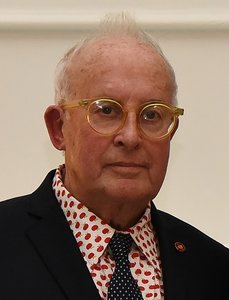
Billy Apple
1935 - 2021, New Zealand
Trumpa informacija apie Billy Apple
- Full Name: Barrie Bates
- Nationality: New Zealander
- Date Of Birth: 1935
- Date Of Death: 2021
- Place Of Birth: Auckland, New Zealand
- Notable Artworks:
- Apple II
- Apple Personal Computer
- Artistic Movement Or Style: Pop & Conceptual Art
- Artists Who Influenced This Artist:
- Andy Warhol
- David Hockney
- Artists Or Movements Influenced By This Artist:
- London School of Pop Art
- New York Conceptual Art
Autoriaus biografija
Billy Apple: A Pioneer of Pop and Conceptual Art
Born Barrie Bates in Auckland, New Zealand, on December 31st, 1935, Billy Apple’s artistic journey was a radical transformation—a deliberate shedding of identity to forge a new persona entirely dedicated to exploring the intersection of art, commerce, and everyday life. His career spanned six decades, marked by a relentless experimentation with materials, concepts, and his own self-branding, ultimately establishing him as a pivotal figure in both Pop Art and Conceptual Art movements. Apple’s work wasn't simply about creating objects; it was about questioning the very nature of art itself – its value, its context, and its relationship to the world around us.
Early influences were surprisingly diverse. Bates’ initial training at Elam School of Fine Arts in Auckland exposed him to a burgeoning New Zealand art scene, but his true artistic awakening occurred during his studies at the Royal College of Art in London in 1959. There, amidst the vibrant and challenging environment of post-war British art, he encountered artists like David Hockney and Ridley Scott, absorbing their innovative approaches while simultaneously forging his own distinct path. This period laid the groundwork for his later embrace of Pop Art’s fascination with popular culture and its critique of consumerism – a theme that would become central to his practice.
The Birth of Billy Apple
In 1962, Bates dramatically reinvented himself as Billy Apple. This wasn't merely a name change; it was a complete artistic statement. He bleached his hair and eyebrows with Lady Clairol Instant Cremé Whip – a deliberate act of appropriation and subversion, immediately signaling a rejection of traditional notions of the artist’s persona. The creation of ‘Billy Apple’ coincided with a move to New York City in 1964, where he began to actively participate in the burgeoning Pop Art scene. This strategic rebranding allowed him to operate outside the constraints of personal identity and focus solely on his artistic vision.
Apple's early work in New York was characterized by a playful engagement with technology and consumer culture. The “American Supermarket” exhibition, curated by Ben Birillo in 1964, showcased everyday objects – produce, canned goods, advertisements – all created by prominent Pop artists, including Apple himself. This project brilliantly highlighted the blurring lines between art and commerce, reflecting the growing influence of mass media and advertising on society. Later, his exploration of neon signage—particularly in works like “Apples to Xerox” (1965) and “Neon Rainbows” (1965)—became a signature element, utilizing bright, synthetic light to draw attention to the artificiality of modern life.
Conceptual Innovations and Apple Spaces
As the 1970s progressed, Apple shifted his focus towards more conceptual approaches. He established ‘APPLE,’ a groundbreaking alternative exhibition space in New York City’s West Village in 1969. This wasn't simply a gallery; it was a self-contained environment designed to challenge conventional art practices and foster dialogue. ‘APPLE’ operated as both an exhibition venue and a forum for artistic experimentation, hosting works by artists like Geoff Hendricks, Larry Miller, and Davi Det Hompson. The space became a vital hub for the avant-garde, pushing boundaries and questioning established hierarchies within the art world.
Beyond ‘APPLE,’ Apple continued to develop his own unique system of branding and self-promotion. He created a line of products – “Billy Apple” cider, coffee, and even an apple variety – extending his artistic identity into the realm of commerce. This strategic move wasn’t merely about generating revenue; it was a deliberate exploration of the relationship between art and capital, questioning the very definition of value within the art market.
Legacy and Influence
Billy Apple's influence on contemporary art is profound. He pioneered techniques like neon sculpture and self-branding, pushing the boundaries of artistic expression and challenging traditional notions of the artist’s role. His work continues to be exhibited internationally, recognized for its conceptual rigor, playful experimentation, and critical engagement with society. Apple’s legacy extends beyond his individual artworks; he fundamentally altered the way artists approached their practice, demonstrating the power of self-invention and the potential for art to operate as a commentary on the world around us. He died in Auckland, New Zealand, on September 6th, 2021, leaving behind a body of work that remains both provocative and deeply insightful.