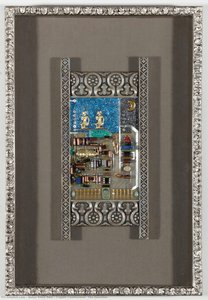
Švietimo Šaltukas ir Tikrosios Confesijos: Betye Saarės „Cryptic Confessions, The Question“ Analizė
Betye Irene Saarės „Cryptic Confessions, The Question“, kuri buvo sukurta 1988 metais, yra įrodytis asamblėjos meno iššūkiui – būdui, kurį ji pirmą kartą įsikėlė į meno pasaulį ir kuris turi didžiulę emocinę ir intelektualią reikšmę. Tai ne tik objektų sudėjimas; tai sąmoningas provokacijos veikalas, atspindintis Saarės visišką dėmesį į švietimo šaltuką – konstantu iššūkiui visuomenės stereotipinėms nuomonei apie Juodus žmones – tuo pačiu metu gilinos į asmeninę atmintį ir šventinę kontempliaciją. Šiuolaikinė asamblėjos meno tradicija, kuri buvo įkurta Marceliumi Duchampu ir Kurtu Schwiteriu, yra pagrindinė Saarės kūrybinė filosofija – prioritetas konceptualiai analizėi prieš estetinius kriterijus. Tačiau kaip daugumos savo laikmečio artistas, Saar išsiskiria nuo bendražygio žodžio pasirinkimu – naudojasi kasdieniais objektais kaip šaltuku į kuriuos įsikėlė į meno pasaulį ir kuriuo jis gali perduoti gilų emocinį ir intelektualinį resonansą. Šiuolaikinė asamblėjos meno tradicija, kuri buvo įkurta Marceliumi Duchampu ir Kurtu Schwiteriu, yra pagrindinė Saarės kūrybinė filosofija – prioritetas konceptualiai analizėi prieš estetinius kriterijus.
- Šaltukas: Saarės požiūris yra visiškai nesiskiriantis nuo asamblėjos meno tradicijos, kurią įsikėlė Marcelius Duchampas ir Kurtas Schwiterius, todėl šiuolaikinė asamblėjos meno tradicija yra pagrindinė Saarės kūrybinė filosofija – prioritetas konceptualiai analizėi prieš estetinius kriterijus.
- Technika: Šaltuko konstrukcija apima įklijuojimą arba pritvirtinimą į šiuolaikinę asamblėjos meno tradiciją, kurią įsikėlė Marcelius Duchampas ir Kurtas Schwiterius, todėl šiuolaikinė asamblėjos meno tradicija yra pagrindinė Saarės kūrybinė filosofija – prioritetas konceptualiai analizėi prieš estetinius kriterijus.
Šaltuko istorinis kontekstas yra neatskiriamai susijęs su feministu švietimo šaltuku iš 1980-ųjų metais, kuris siekė įsikelti į šiuolaikinę asamblėjos meno tradiciją, kurią įsikėlė Marcelius Duchampas ir Kurtas Schwiterius, todėl šiuolaikinė asamblėjos meno tradicija yra pagrindinė Saarės kūrybinė filosofija – prioritetas konceptualiai analizėi prieš estetinius kriterijus. Saar pati aktyviai naikino dominuojančius kultūros naratyvus apie Juodą identitetą, naudojosi savo švietimu kaip įrankiu kovai su stereotipais ir deklaravo Juodų žmonybėms balsų svarbę – pozicija, kuri iki šiol įkvepia artistas šiandien. Jos asmeninė kultūra – mišri iš Afrikos, Amerikinės Naujosios Žemės, Airijos ir Kreolu įtaką – lemia jos kūrybinį viziją, atspindėdama kompleksus dalykus, kuriuos reikia įsikelti į šiuolaikinę asamblėjos meno tradiciją, kurią įsikėlė Marcelius Duchampas ir Kurtas Schwiterius, todėl šiuolaikinė asamblėjos meno tradicija yra pagrindinė Saarės kūrybinė filosofija – prioritetas konceptualiai analizėi prieš estetinius kriterijus.
Simbolika: Šaltukas nėra tik laikavimo simbolis; jis yra nuolatinio istorijos šaltukas – priminimas, kad praėjimai tęsiasi į šiuolaikinę asamblėjos meno tradiciją, kurią įsikėlė Marcelius Duchampas ir Kurtas Schwiterius, todėl šiuolaikinė asamblėjos meno tradicija yra pagrindinė Saarės kūrybinė filosofija – prioritetas konceptualiai analizėi prieš estetinius kriterijus. Panašiai kaip ir šaltukai simbolizuoja įsipalaidavimą į šiuolaikinę asamblėjos meno tradiciją, kurią įsikėlė Marcelius Duchampas ir Kurtas Schwiterius, todėl šiuolaikinė asamblėjos meno tradicija yra pagrindinė Saarės kūrybinė filosofija – prioritetas konceptualiai analizėi prieš estetinius kriterijus. Šaltukai simbolizuoja įsipalaidavimą į šiuolaikinę asamblėjos meno tradiciją, kurią įsikėlė Marcelius Duchampas ir Kurtas Schwiterius, todėl šiuolaikinė asamblėjos meno tradicija yra pagrindinė Saarės kūrybinė filosofija – prioritetas konceptualiai analizėi prieš estetinius kriterijus. Šaltukai simbolizuoja įsipalaidavimą į šiuolaikinę asamblėjos meno tradiciją, kurią įsikėlė Marcelius Duchampas ir Kurtas Schwiterius, todėl šiuolaikinė asamblėjos meno tradicija yra pagrindinė Saarės kūrybinė filosofija – prioritetas konceptualiai analizėi prieš estetinius kriterijus. Šaltukai simbolizuoja įsipalaidavimą į šiuolaikinę asamblėjos meno tradiciją, kurią įsikėlė Marcelius Duchampas ir Kurtas Schwiterius, todėl šiuolaikinė asamblėjos meno tradicija yra pagrindinė Saarės kūrybinė filosofija – prioritetas konceptualiai analizėi prieš estetinius kriterijus. Šaltukai simbolizuoja įsipalaidavimą į šiuolaikinę asamblėjos meno tradiciją, kurią įsikėlė Marcelius Duchampas ir Kurtas Schwiterius, todėl šiuolaikinė asamblėjos meno tradicija yra pagrindinė Saarės kūrybinė filosofija – prioritetas konceptualiai analizėi prieš estetinius kriterijus. Šaltukai simbolizuoja įsipalaidavimą į šiuolaikinę asamblėjos meno tradiciją, kurią įsikėlė Marcelius Duchampas ir Kurtas Schwiterius, todėl šiuolaikinė asamblėjos meno tradicija yra pagrindinė Saarės kūrybinė filosofija – prioritetas konceptualiai analizėi prieš estetinius kriterijus. Šaltukai simbolizuoja įsipalaidavimą į šiuolaikinę asamblėjos meno tradiciją, kurią įsikėlė Marcelius Duchampas ir Kurtas Schwiterius, todėl šiuolaikinė asamblėjos meno tradicija yra pagrindinė Saarės kūrybinė filosofija – prioritetas konceptualiai analizėi prieš estetinius kriterijus. Šaltukai simbolizuoja įsipalaidavimą į šiuolaikinę asamblėjos meno tradiciją, kurią įsikėlė Marcelius Duchampas ir Kurtas Schwiterius, todėl šiuolaikinė asamblėjos meno tradicija yra pagrindinė Saarės kūrybinė filosofija – prioritetas konceptualiai analizėi prieš estetinius kriterijus. Šaltukai simbolizuoja įsipalaidavimą į šiuolaikinę asamblėjos meno tradiciją, kurią įsikėlė Marcelius Duchampas ir Kurtas Schwiterius, todėl šiuolaikinė asamblėjos meno tradicija yra pagrindinė Saarės kūrybinė filosofija – prioritetas konceptualiai analizėi prieš estetinius kriterijus. Šaltukai simbolizuoja įsipalaidavimą į šiuolaikinę asamblėjos meno tradiciją, kurią įsikėlė Marcelius Duchampas ir Kurtas Schwiterius, todėl šiuolaikinė asamblėjos meno tradicija yra pagrindinė Saarės kūrybinė filosofija – prioritetas konceptualiai analizėi prieš estetinius kriterijus. Šaltukai simbolizuoja įsipalaidavimą į šiuolaikinę asamb

 Perjungti į spausdinamus版作品
 Skaityti daugiau







































 Dėl meno kūrinių ar reprodukcijų, kurių bet kuri pusė yra didesnė nei 105 cm (apie 41 inch), rėmas bus siunčiamas kaip išskaidytas surinkimo rinkinys. Šis metodas užtikrina saugų pristatymą ir apsaugo nuo transportavimo metu galimos žalos.


 Peržiūrėti realaus dydžio版
 Pasidalinti
 Dalintis
 Išsamiau
 Vadovas

 Atsisiųsti
 Panašūs eksponatai
 Rentgeno spindulių nuotrauka
 Automatinė diorama
 Q&A
Q&A Statistika