

 Peržiūrėti realaus dydžio版
 Pasidalinti
 Dalintis
 Išsamiau
 Vadovas

 Atsisiųsti
 Panašūs eksponatai
 Rentgeno spindulių nuotrauka
 Automatinė diorama
 Q&A
Q&A Statistika
The Harbor at Lorient
 Oil On Canvas
- WallArt
- Impressionist Movement
 1869
1869 43.0 x 72.0 cm
 Nacionalinės dailės galerija
 Skaityti daugiau
Giclée / Meno spausdinimas
Muziejų lygio „giclée“ arba drobos spausdinimas: greita gamyba ir lankstios apdailos parinktys. ( Pirkti rankų darbo tapybą Perejti prie skaitmeninių vaizdų)




P118B €10

P118H €10

P118W €10

P438Z €10

P508JH €12

P508YH €12

P805H €10

P805Z €10

P919BZ €10

P919G €10

P919XJ €10

P959ZH €10

P968JZ €12

W106C €8

W218G €10

W218JH €8

W218Y €10

W307PJ €10

W316G €10

W316PJ €8

W316Y €10

W398PJ €8

W4111J €10

W500HY €15

W500JH €15

W692G €12

W849H €8

W940BG €15

W953PJ €8




Pasirinkite iš mūsų nustatytų dydžių, atitinkančių originalaus meno kūrinio proporcijas.

Įveskite jums reikiamą plotį ir aukštį, kad atvaizdas derėtų prie jūsų rėmo ar sienos. Spausdiną galima tik sumažinti, bet nepadidinti virš originalaus paveikslėlio dydžio, todėl keičiant proporcijas, dalis vaizdo prarandama. Prieš spausdinimą atsiųsime jums skaitmeninį maketą patvirtinimui. Šioje puslapio nuotraukoje matomas pjūvis nėra tikslus – jį rodo tik maketas.
Pristatymas visame pasaulyje () per 2 weeks, o ne įprastas 4/5 savaičių laikotarpis. (29 spalis)

Nemokamas greitasis pristatymas visame pasaulyje

Aukštos kokybės lininis drobė

Pilnas siuntimo draudimas

Muitinės mokesčių grąžinimo garantija

Tikro spalvų atitikimo garantija

100 dienų grąžinimo politika (tik esant įtaigoms)

100% pinigų grąžinimo garantija

Nuolaida dideliems užsakymams
 Stiklo variantas prieinamas tik pasirinkus dydį iki 110 cm

The Harbor at Lorient
Giclée / Meno spausdinimas
Reprodukcijos matmenys
-


Bendroji kaina
€ 71
The Serene Harbor at Lorient: A Window into Impressionist Intimacy
Berthe Morisot’s “The Harbor at Lorient,” painted in 1869, isn't merely a depiction of a coastal scene; it’s an intimate glimpse into the heart of the burgeoning Impressionist movement. This captivating work, measuring just 43 x 72 cm, transcends its modest size to offer a profound meditation on light, atmosphere, and the quiet beauty of everyday life – themes that would become hallmarks of Morisot's distinctive artistic voice. The painting resides within the esteemed collection of the National Gallery of Art in Washington D.C., a testament to its enduring significance and artistic merit.
Morisot’s approach diverges subtly from her male contemporaries, particularly Monet and Renoir. While they often focused on capturing fleeting moments of vibrant outdoor activity, Morisot favored a more restrained palette and a delicate handling of paint. Her brushstrokes are remarkably light and airy, almost ephemeral, creating an illusion of shimmering water and diffused sunlight. This technique—a hallmark of Impressionism—allows the eye to wander across the canvas, absorbing the subtle nuances of color and texture. The composition itself is carefully considered; Morisot masterfully employs a shallow perspective, drawing the viewer into the scene as if standing on the harbor’s edge alongside the woman contemplating the boats.
Composition and Narrative
The painting unfolds with a remarkable sense of tranquility. A cluster of small fishing boats – their details softened by the atmospheric haze – drifts across the water, each reflecting the shifting light in unique ways. The arrangement isn't one of dramatic action or bold contrasts; instead, it’s a study in quiet observation. A central figure, a woman standing at the water’s edge, is the focal point, yet she remains largely undefined. Her posture suggests contemplation and a gentle connection to the scene—a silent observer absorbing the beauty around her. This deliberate ambiguity invites viewers to project their own emotions and experiences onto the image, fostering a deeply personal engagement with the artwork.
The inclusion of this woman is crucial to understanding Morisot’s artistic vision. She wasn't simply painting a landscape; she was exploring the relationship between humanity and nature—a recurring theme in her oeuvre. Her presence adds a layer of intimacy, suggesting a moment of private reflection amidst the bustle of harbor life. It’s a subtle yet powerful reminder that even within grand landscapes, there is always room for quiet contemplation and personal connection.
Impressionist Techniques and Light
“The Harbor at Lorient” exemplifies the core tenets of Impressionism. Morisot's use of color is particularly noteworthy—she eschews traditional blending techniques in favor of juxtaposing pure hues to create a vibrant, luminous effect. The light itself isn’t rendered as a fixed entity but rather as a constantly shifting phenomenon, captured through subtle variations in tone and hue. Notice how the reflections on the water shimmer with an almost iridescent quality, demonstrating Morisot's keen eye for capturing the ephemeral effects of sunlight.
The painting’s palette is dominated by soft blues, greens, and greys—colors that evoke a sense of serenity and distance. However, flashes of brighter hues—a touch of red in one boat’s sail, a hint of yellow in the sky—add visual interest and prevent the scene from becoming overly muted. These carefully placed accents serve to heighten the overall impression of light and atmosphere, reinforcing the painting's dreamlike quality.
A Legacy of Intimacy
Berthe Morisot’s “The Harbor at Lorient” stands as a poignant example of her unique artistic perspective—one that privileged intimacy, observation, and the subtle beauty of everyday life. Her work, alongside that of other female Impressionists like Mary Cassatt, challenged conventional notions of what constituted ‘important’ subject matter in art. Today, this painting continues to resonate with viewers who appreciate its delicate beauty, quiet contemplation, and masterful execution. It's a piece that invites us to slow down, observe the world around us, and find moments of serenity amidst the complexities of modern life—a fitting legacy for an artist who captured the essence of Impressionism with remarkable grace and sensitivity.
Klausimai ir atsakymai
Ar „The Harbor at Lorient“ yra būdingas tam, ką Bertė Morisso paprastai kūrė?
Tarp užfiksuotų Bertė Morisso temų – impressionist light, domestic scenes, female perspective, modern life, parisian harbor, leisure time, morisot’s signature style”, “early impressionism exploration” – kūrinys „The Harbor at Lorient“ akcentuoja harbor, boats, women, landscape, tranquility, light, france.
Kur šiandien galima pamatyti kūrinį „The Harbor at Lorient“ – Bertė Morisso?
Kūrinys „The Harbor at Lorient“ – Bertė Morisso rodomas Nacionalinės dailės galerija, Washington, USA. Muziejaus informacija nuoroda į originalą, o ne į reprodukciją.
Kam rekomenduojama „The Harbor at Lorient“ – Bertė Morisso reprodukcija?
Rekomenduojamas „The Harbor at Lorient“ spausdinio naudojimas yra Accent.
Autoriaus biografija
Bertės Morizo: Šviesos ir Intymių Momentų Tapyba
Bertė Morizo (Marie-Bernadette Morisot), gimusi 1841 metais Buržuose, Prancūzijoje, tapo vienu iš svarbiausių Impresionizmo judėjimo atstovų. Tačiau jos istorija yra daug platesnė nei tiesiog „moteris impresionistė“. Apibrėžti ją tik pagal lytį sumažina jos meno vizijos gilumą ir nuoseklų įsipareigojimą užfiksuoti šiuolaikinio gyvenimo trumpalikius momentus. Kilusi iš buržuazinės šeimos, turinčios meninę genealogiją – ji buvo susijusi su garsiu rokokoko tapytoju Žanu-Onorė Fragonaru – Morizo gavo neįprastą moteriai to laikmečio išsilavinimą, kuris puoselėjo jos įgimtą talentą ir skatino visą gyvenimą trunkančią meilę tapybai. Ankstyvos pamokos su Geoffroy-Alphonse Chocarne ir Joseph Guichard suteikė pagrindinius įgūdžius, tačiau susipažinimas su Louvro meno šedevrais, senų meistrų kūrinių kopijavimu, išties uždegė jos meninę jautrumą. Šis intensyvaus mokymo laikotarpis padėjo pamatus vėlesniam šviesos, spalvos ir formos tyrinėjimui. Ypač reikšmingas buvo Žano-Batisto-Kamilio Koro įtaka; jo pabrėžimas *plein air* tapybai – darbui lauke tiesiogiai iš gamtos – tapo Morizo požiūrio kertiniu akmeniu, leidžiančiu jai užfiksuoti šviesos ir atmosferos efemeriškąsias savybes nepaprastu jautrumu.Navigacija Impresionistų Rate
Morizo meninis kelias glaudžiai susijęs su Eduaro Manė, kurį ji sutiko 1864 metais. Jų santykiai buvo pagrįsti abipusiu pagarba ir intelektualiniu mainais, o Manė tarnavo kaip jos mentorius ir draugas. Jis daug kartų ją nutapė, įamžindamas jos buvimą savo besivystančiame stiliuje. Tačiau Morizo nebuvo tik objektas; ji aktyviai dalyvavo kylančiame Impresionizmo judėjime, tapdama steigėja kartu su Monet, Degas, Renoir ir Pissarro. 1874 metais ji drąsiai eksponavo su šia „atmestų“ menininkų grupe, paneigdama oficialaus Salono konservatyvius standartus. Ši pirmoji Impresionistų paroda buvo lūžio taškas meno istorijoje, iššūkis tradiciniams akademinėms konvencijoms ir keliant naujų meniškos raiškos būdų. Morizo dalyvavo beveik visose vėlesnėse Impresionistų parodose, nuolat demonstruodama savo unikalų požiūrį ir įtvirtindama savo poziciją avangarde. Jos darbai, dažnai vaizduojantys intymias buities scenas – moteris skaitant, mamos su vaikais, laisvalaikio akimirkos soduose – siūlė išskirtinį moterišką žvilgsnį, paneigdama vyraujančias visuomenės normas ir plečiant priimtino moterų menininkų temų diapazoną.Savitas Meniškas Balsas
Morizo išskiria ne tik tai, *ką* ji tapė, bet ir *kaip* ji tai padarė. Jos teptuko darbas pasižymi subtiliu sklandumu, prisilietimo lengvumu, perteikiančiu spontaniškumo ir tiesmumo įspūdį. Ji meistriškai panaudojo spalvų laužymą – šalia esančius nedidelius grynos pigmento potėpius sukuriant mirgančią šviesos ir atmosferos efektą. Skirtingai nuo kai kurių jos Impresionistų kolegų, kurie daugiausia dėmesio skyrė dideliems kraštovaizdžiams ar triukšmingiems miesto vaizdams, Morizo dažnai pasirinkdavo intymias interjero scenas ir portretus, tyrinėdama žmonių santykių niuansus ir kasdienio gyvenimo grožį. Jos paletė paprastai švelni ir harmoninga, teikiant pirmenybę pasteliniams atspalviams ir subtiliems spalvų perėjimas. Tai nereiškia, kad jos darbai neturi stiprybės; greičiau jie turi rafinuotą eleganciją ir emocinį gilumą, kuri rezonuoja su žiūrovais net šiandien. Kritikai, tokie kaip Gustave Geffroy, pripažino šią unikalų kokybę, paskelbdami ją viena iš „les trois grandes dames“ dešimt Impresionizmo – kartu su Marie Bracquemond ir Mary Cassatt – pripažindami jos reikšmingą indėlį į judėjimą.Palikimas ir Tvarus Poveikis
Bertės Morizo gyvenimas tragiškai nutrūko 1895 metais, tačiau jos meninis palikimas išlieka. Ištekėjusi už Eugène Manet, Eduaro brolį, ji naršė pasaulyje, kuris dažnai nepagarbino moterų menininkes, tačiau ji atkakliai tęsė savo veiklą. Ji eksponavo savo pilnu mergaitišku pavarde – subtilus nepriklausomybės ir saviapatiekinimo aktas – ir nuolat iššaukdavo įprastas lūkesčius. Jos darbai ir toliau žavi publiką dėl savo subtilaus grožio, emocinio sąžiningumo ir novatoriškos technikos. Morizo įtaka apima Impresionizmą; ji paklojo kelią būsimoms moterų menininkių kartoms, pademonstruodama, kad moterys gali pasiekti meniškos meistriškės aukštumas ir prasmingai prisidėti prie meno istorijos raidos. Šiandien jos paveikslai laikomi prestižiniuose rinkiniuose visame pasaulyje, liudijantys jos nuolatinį talentą ir svarbų vaidmenį moderniojo meno formavime. Moteris žalioje suknelėje, Lopšys ir Vasaros diena išlieka ikoniškais jos meistriškumo pavyzdžiais, kviečiančius žiūrovus į šviesos, intymių momentų ir tylios kontempliacijos pasaulį.
Bertė Morisso
1841 - 1895 , Prancūzija
Trumpa informacija
- Artistic Movement Or Style: Impresionizmas
- Artists Or Movements Influenced By This Artist: ['Impresionizmas']
- Artists Who Influenced This Artist:
- Corot
- Manet
- Date Of Birth: sausio 14 d., 1841
- Date Of Death: kovo 2 d., 1895
- Full Name: Berthe Morisot
- Nationality: prancūzė
- Notable Artworks:
- Žalia suknelė
- Lopšys
- Skaitymas
- Place Of Birth (City And Country): Burgas, Prancūzija
Susiję straipsniai

Boats on Canvas: 10 Masterpieces of Maritime Art for Your Home Decor
Sail away with 10 iconic boat paintings! Explore masterpieces by Monet, Van Gogh & Turner. Discover the stories behind these timeless seascapes and find museum-quality art reproductions for your home decor at OriginalUniqueArt.com.

Beyond the Shadows: The Powerful Legacies of Artemisia Gentileschi and Berthe Morisot
Explore the profound legacies of Artemisia Gentileschi and Berthe Morisot. Discover how these female masters redefined the Baroque and Impressionist eras through dramatic chiaroscuro and luminous light, leaving an indelible mark on art history and modern aesthetics.
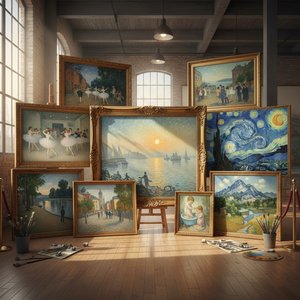
Impresionizmo Šedevrai: 10 Paveikslų, Apibrėžusių Meninę Era | OriginalUniqueArt.com
Atraskite 10 įspūdingiausių impresionizmo šedevrų! Claude Monet, Degas, Renoir ir kiti – meno istorijos perlas. Aliejiniai paveikslai jūsų interjerui. OriginalUniqueArt.com: aukštos kokybės reprodukcijos ir inspiracija namams.

Impressionism's Masterpieces: 10 Paintings That Defined a Movement | OriginalUniqueArt
Journey through Impressionism's heart with 10 iconic paintings by Monet, Renoir & Degas. Explore light, color & the stories behind these masterpieces. Find museum-quality art reproductions and elevate your home decor on OriginalUniqueArt.com.

Beyond the Shadows: The Powerful Legacies of Artemisia Gentileschi and Berthe Morisot
Explore the profound legacies of Artemisia Gentileschi and Berthe Morisot. Discover how these female masters redefined the Baroque and Impressionist eras through dramatic chiaroscuro and luminous light in this expert art-history guide for collectors and enthusiasts.


