Meniu
NEMOKAMA MENO KONSULTACIJA
Peržiūrėti realybėjePeržiūrėti realybėje Peržiūrėti ARPeržiūrėti AR Perejti prie spausdinimo Perejti prie spausdinimoPerjungti į vaizdą Perjungti į vaizdą PasidalintiPasidalinti
IšsamiauIšsamiau Pridėti į mėgstamiausius Pridėti į mėgstamiausius AtsisiųstiAtsisiųsti Panašūs eksponataiPanašūs eksponatai Rentgeno nuotraukaRentgeno nuotrauka Automatinė dioramaAutomatinė diorama

Rhea's Ray

  • Sukūrimo data1968
  • Matmenys21.0 x 15.0 cm

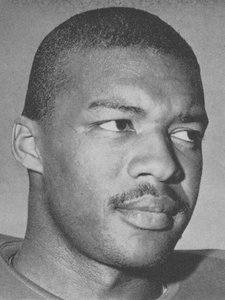
Bernie Casey (1939-2017) was a versatile American artist, actor & former NFL player known for vibrant paintings exploring themes of love, peace, nature, and social justice. Discover his unique semi-abstract style & legacy.

Rankų darbo aliejinės reprodukcijos

Rankiniu būdu tapytas aliejus ant droblio jūsų pageidaujamame dydį ir rėmuose – mūsų menininkų darbas pagal užsakymą. (Perejti prie spausdinimo Perejti prie spausdinimoPerjungti į vaizdą Perjungti į vaizdą)

Standard
custom
CM
INCH

Pasirinkite iš mūsų nustatytų dydžių, atitinkančių originalaus meno kūrinio proporcijas.

plotis
aukštis

Galite įvesti savo matmenis, kad jie atitiktų konkretų rėmą ar erdvę. Jei pasirinktas dydis neatitinka originalaus paveikslėlio proporcijų, mes arba apkropsime meno kūrinį, arba papildysime tapybą rankomis dažytい elementais. Prieš pradėdami gamybą, jūsų patvirtinimui atsiųsime skaitmeninį maketą.
Atkreipkite dėmesį, kad ekrane rodomas vaizdas neatspindi tikrojo apkarpymo ar papildymo. Tik maketas tiksliai parodys galutinę kompoziciją.
Nors galima rinktis ir individualius dydžius, rekomenduojame pasirinkti matmenis iš nustatytos sąrašo, kad būtų išlaikytos originalios proporcijos.

Ką galima pakeisti (pavyzdžiai): Pakeisti veidą į kliento nuotrauką; Pridėti augintinį (pvz., pakeisti katę šunimi); Įtraukti paslėptą žinutę fone; Pakeisti fono kraštovaizdį ar elementus.
Gavus užsakymą, OriginalUniqueArt.com komanda susisieks su klientu el. paštu dėl instrukcijų ir pateiks maketo pavyzdį.

Pristatymas visame pasaulyje () per 3–4 savaites, o ne įprastai – per 5 savaites. (1 rugpjūtis). Kokybė lieka nepakeičiama.

why_choose_icon
Nemokamas greitasis pristatymas visame pasaulyje
why_choose_icon
Aukštos kokybės lininis drobė
why_choose_icon
Pilnas siuntimo draudimas
why_choose_icon
Muitinės mokesčių grąžinimo garantija
why_choose_icon
Tikro spalvų atitikimo garantija
why_choose_icon
60 dienų grąžinimo politika (tik esant gamyklinėms defektams)
why_choose_icon
100% pinigų grąžinimo garantija
why_choose_icon
Nuolaida už kelias reprodukcijas

Visų darbų kaina

$ 300

reproduction

Rhea's Ray

Reprodukcijos technika

Reprodukcijos matmenys

-

Galutinė kaina

$ 300

Kūrinio aprašymas

The art world is replete with talented individuals who have made significant contributions to the realm of visual arts. One such artist is Bernie Casey, known for his captivating and thought-provoking works. Among his notable creations is the painting 'Rhea's Ray', a masterpiece that showcases his skill and artistic vision.

Introduction to the Artist and the Painting

Bernie Casey was an American artist, and 'Rhea's Ray' is one of his notable works, created in 1968. The painting measures 21 x 15 cm and is made on canvas. It is currently housed at the Smithsonian American Art Museum in the United States. This museum is renowned for its extensive collection of American art, making it an ideal location for 'Rhea's Ray' to be showcased.

Key Elements and Interpretation

The painting 'Rhea's Ray' features a sun with a face, symbolizing warmth and energy. The presence of two individuals in the painting adds a sense of human connection and community. A clock at the bottom right corner of the image introduces an element of time, possibly hinting at the fleeting nature of moments. These elements combined create a vibrant scene that invites viewers to ponder the deeper meaning behind the artwork. Some notable aspects of 'Rhea's Ray' include:
  • The use of color to evoke emotions and convey messages.
  • The incorporation of everyday objects, like the clock, to add depth and symbolism.
  • The depiction of human figures, which may represent relationships or interactions.

Conclusion and Further Exploration

'Rhea's Ray' by Bernie Casey is a captivating piece that offers much to explore and interpret. For those interested in learning more about American art and the Smithsonian American Art Museum, visiting /art/list/?Filter=AQTURA-Bernie-Casey-Rhea-s-Ray can provide valuable insights and resources. Additionally, the Smithsonian Institution website offers a wealth of information on art collections and exhibitions, including details about the Smithsonian American Art Museum.
The world of art is vast and diverse, with each piece telling its unique story. 'Rhea's Ray' by Bernie Casey is a testament to the power of art to inspire, provoke thought, and bring people together.

Autoriaus biografija

Bernie Casey: A Vibrant Legacy of Abstract Expressionism

Bernie Casey (1939-2017) was a multifaceted American artist, actor, and former NFL player whose distinctive style captivated audiences worldwide. Born June 8, 1939, in Detroit, Michigan, Casey’s journey began with a passion for football—he played professionally for the Detroit Lions from 1961 to 1965—before transitioning into painting as his primary creative outlet. This dual experience profoundly shaped his artistic vision, informing both his understanding of physicality and his exploration of emotional depth within abstract art. Casey’s artistic development unfolded primarily during the mid-to-late 1960s, coinciding with the burgeoning Abstract Expressionist movement. Influenced by artists like Jackson Pollock and Willem de Kooning, he embraced a bold approach characterized by spontaneous brushstrokes, vibrant color palettes—often dominated by blues, reds, and yellows—and layered textures that conveyed raw emotion and dynamism. His canvases became windows into inner landscapes, reflecting themes of love, peace, nature, and social justice – concepts deeply rooted in his personal convictions and experiences as an African American athlete navigating the complexities of racial prejudice during the Civil Rights era. His seminal work, “Afterthought of Dante’s Inferno,” exemplifies this stylistic hallmark. Painted in 1968, it's a mesmerizing swirl of color and form that embodies the movement's spirit of improvisation and psychological intensity. The painting utilizes thick impasto—applying paint thickly onto the canvas—creating palpable texture and emphasizing the artist’s energetic gesture. Casey deliberately avoided representational imagery, prioritizing instead the conveyance of feeling through abstract shapes and hues. This decision reflects a broader philosophical stance: Casey believed that abstraction could transcend literal depiction to communicate universal truths about human experience. Further cementing his reputation as an innovator was “Memory From Another Time,” A., another striking piece from 1968. Like ‘Inferno,’ this artwork employs circular forms—a recurring motif in Casey’s oeuvre—to represent interconnectedness and cyclical patterns of existence. The dominant blue color evokes serenity while simultaneously hinting at melancholy, mirroring the artist's contemplation on time and remembrance. Casey continued to produce paintings throughout his life, exploring variations on his core aesthetic principles. “White Daisy Land,” completed in 1968, showcases Casey’s masterful command of color and texture—particularly evident in the depiction of a sunset beach scene. The painting captures the fleeting beauty of nature while simultaneously conveying a sense of nostalgia and longing. Bernie Casey's contribution to American art extends beyond his visual creations. He brought his artistic sensibilities to acting roles, notably appearing in films like “Mate” (1970) and “Blazing Saddles” (1974), where he embodied characters grappling with social issues—a testament to his unwavering commitment to using art as a vehicle for advocacy. His legacy endures not only as an artist but also as a symbol of artistic courage and the transformative power of embracing unconventional paths. He passed away September 19, 2017, leaving behind a body of work that continues to inspire admiration and provoke contemplation on themes of beauty, emotion, and social responsibility.
bernie casey

bernie casey

1939 - 2017

Trumpa informacija

  • Artistic Movement Or Style: Abstract Expressionism
  • Artists Or Movements Influenced By This Artist: ['Neoexpressionism']
  • Artists Who Influenced This Artist:
    • Jackson Pollock
    • Mark Rothko
  • Date Of Birth: June 8, 1939
  • Date Of Death: September 19, 2017
  • Full Name: Bernie Casey
  • Nationality: American
  • Notable Artworks:
    • Afterthought of Dante’s Inferno
    • Memory From Another Time, A
    • White Daisy Land
  • Place Of Birth: Detroit, Michigan