 Peržiūrėti realaus dydžio版
 Pasidalinti
 Dalintis
 Išsamiau
 Vadovas

 Atsisiųsti
 Panašūs eksponatai
 Rentgeno spindulių nuotrauka
 Automatinė diorama
 问答
问答 Statistika
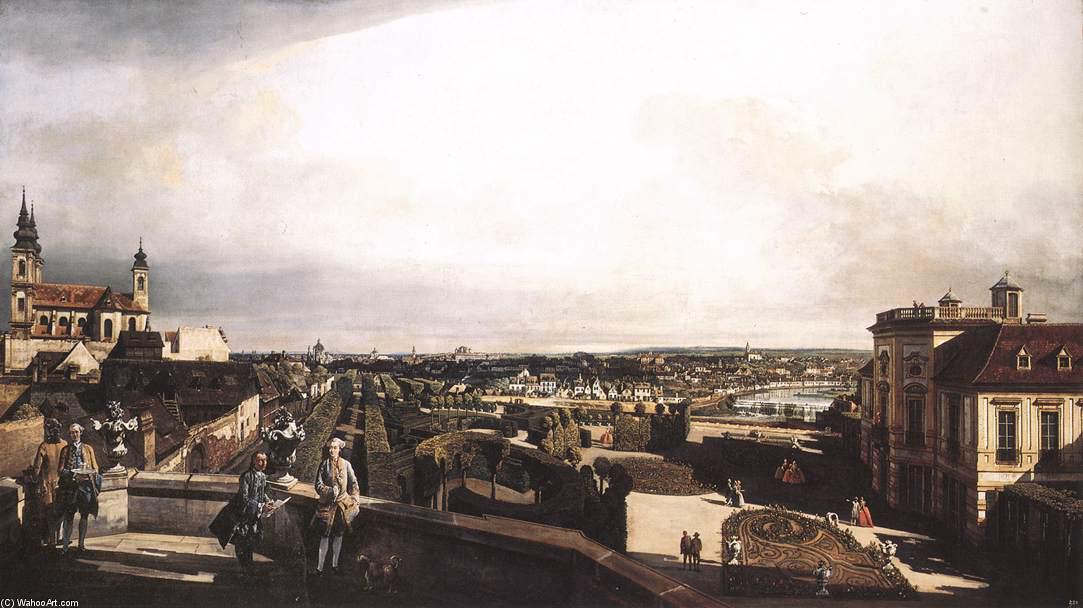
Vienna, Panorama from Palais Kaunitz

- 134.0 x 237.0 cm


 Skaityti daugiau
Giclée / Meno spausdinimas
Muziejų lygio „giclée“ arba drobos spausdinimas: greita gamyba ir lankstios apdailos parinktys. ( Pirkti rankų darbo tapybą Perejti prie skaitmeninių vaizdų)




P118B €10

P118H €10

P118W €10

P438Z €10

P508JH €12

P508YH €12

P805H €10

P805Z €10

P919BZ €10

P919G €10

P919XJ €10

P959ZH €10

P968JZ €12

W106C €8

W218G €10

W218JH €8

W218Y €10

W307PJ €10

W316G €10

W316PJ €8

W316Y €10

W398PJ €8

W4111J €10

W500HY €15

W500JH €15

W692G €12

W849H €8

W940BG €15

W953PJ €8




Pasirinkite iš mūsų nustatytų dydžių, atitinkančių originalaus meno kūrinio proporcijas.

Įveskite jums reikiamą plotį ir aukštį, kad atvaizdas derėtų prie jūsų rėmo ar sienos. Spausdiną galima tik sumažinti, bet nepadidinti virš originalaus paveikslėlio dydžio, todėl keičiant proporcijas, dalis vaizdo prarandama. Prieš spausdinimą atsiųsime jums skaitmeninį maketą patvirtinimui. Šioje puslapio nuotraukoje matomas pjūvis nėra tikslus – jį rodo tik maketas.
Pristatymas visame pasaulyje () per 2 weeks, o ne įprastas 4/5 savaičių laikotarpis. (7 lapkritis)

Nemokamas greitasis pristatymas visame pasaulyje

Aukštos kokybės lininis drobė

Pilnas siuntimo draudimas

Muitinės mokesčių grąžinimo garantija

Tikro spalvų atitikimo garantija

100 dienų grąžinimo politika (tik esant įtaigoms)

100% pinigų grąžinimo garantija

Nuolaida dideliems užsakymams
 Stiklo variantas prieinamas tik pasirinkus dydį iki 110 cm

Vienna, Panorama from Palais Kaunitz
Giclée / Meno spausdinimas
Reprodukcijos matmenys
-


Bendroji kaina
€ 72
Vienna, Panorama from Palais Kaunitz – A Symphony of Light and Observation
Bernardo Bellotto’s “Vienna, Panorama from Palais Kaunitz,” completed in 1759, stands as a testament to the Enlightenment fascination with accurately depicting the world around us. Commissioned by Empress Maria Theresa, this monumental painting isn't merely a topographical record; it’s an immersive experience designed to capture the grandeur and vibrancy of Vienna at the cusp of its imperial reign.
The Artist’s Vision: Canaletto’s Legacy
Bellotto, nephew and protégé of Giovanni Antonio Canaletto – arguably Venice’s most celebrated painter of urban landscapes – inherited a profound artistic sensibility. Like his mentor, Bellotto prioritized capturing atmospheric perspective, meticulously rendering the subtle gradations of light and shadow to convey depth and realism. This technique—developed during Canaletto's travels across Europe—became Bellotto’s signature style, distinguishing him from many of his contemporaries.
A Detailed Examination: Technique and Composition
Executed in oil on canvas, “Vienna” employs a panoramic format – approximately 134 x 237 cm – allowing for an unparalleled breadth of visual information. Bellotto’s brushstrokes are deliberate and controlled, layering pigments to achieve luminous surfaces and conveying the texture of stone buildings and foliage. The composition is carefully balanced, guiding the viewer's eye across the cityscape from left to right, emphasizing key architectural landmarks like St Stephen’s Cathedral and the Hofburg Palace.
Historical Context: Vienna Under Maria Theresa
Vienna in 1759 was undergoing significant transformation under Maria Theresa’s rule. The Habsburg monarchy sought to solidify its position as a dominant force in Europe through cultural patronage, exemplified by this ambitious project. Bellotto's depiction reflects the optimism and grandeur of the era—a celebration of imperial power and artistic achievement. Furthermore, it serves as an invaluable historical document, offering insights into Viennese life and architecture during a pivotal moment in European history.
Symbolism and Emotional Resonance
"Vienna" transcends mere visual representation; it communicates a profound emotional resonance. The inclusion of figures—representing both nobility and everyday citizens—adds human scale to the monumental cityscape, inviting contemplation about the complexities of urban society. The careful rendering of light—particularly the golden glow illuminating St Stephen’s Cathedral—evokes feelings of reverence and majesty. Ultimately, Bellotto's masterpiece inspires awe and admiration for the beauty and power of observation.
Conclusion: An Enduring Masterpiece
Bernardo Bellotto’s “Vienna, Panorama from Palais Kaunitz” remains an extraordinary achievement in panoramic painting—a captivating blend of artistic skill, historical awareness, and emotional depth. Its enduring appeal lies in its ability to transport viewers back to a bygone era while simultaneously reaffirming the timeless fascination with capturing the splendor of the natural world.
Klausimai ir atsakymai
Koks kontrastas pasižymi kūrinys „Vienna, Panorama from Palais Kaunitz“ – Bernardo Beloto?
„Vienna, Panorama from Palais Kaunitz“ – Bernardo Beloto pasižymi Statement šviesių ir tamsių sričių kontrastu.
Kokią nuotaiką ir emociją išreiškia „Vienna, Panorama from Palais Kaunitz“ – Bernardo Beloto?
Įtvirtinta „Vienna, Panorama from Palais Kaunitz“ – Bernardo Beloto nuotaika yra Elegant, o emocinis tonas – Calm.
Kokia technika buvo panaudota kūriniam darbui „Vienna, Panorama from Palais Kaunitz“ – Bernardo Beloto?
„Vienna, Panorama from Palais Kaunitz“ – Bernardo Beloto technika – Acrylic On Canvas. Kopijos siekia atkartoti šios technikos vaizdą.
Autoriaus biografija
Ankstyvas gyvenimas ir mokymasis
Bernardo Bellotto, garsus italų tapytojas, gimė Venecijoje apie 1721/2 metus arba sausio 30 dieną, 1721 metais. Jis buvo žinomo Giovanni Antonio Canal „Canaletto“ sūnėnas ir mokinys – ryškios Venecijos tapybos mokyklos figūros. Bellotto jaunystėje patyrė stiprų šeimos įtaką, nes jo tėvas taip pat buvo tapytojas. Šis ankstyvas susipažinimas su menu padėjo jam ugdyti aštrų akį detalėms ir meilę Venecijos architektūrai. Jo mokymasis pas Canaletto neapsiribojo techninėmis įgūdžiais; jis įsisavino unikalų Canaletto stilių, tačiau netrukus ėmė kurti savo savitą braižą.Kūrybinis stilius ir karjera
Bellotto kūrybinį stilių apibūdina išsamios architektūrinių ir gamtos vaizdų reprezentacijos bei kiekvienos vietovės unikalus apšvietimas. Jis buvo žinomas dėl nepaprasto talento užfiksuoti miesto kraštovaizdžio esmę, todėl jį pakvietė dirbti įvairūs Europos monarchai. Keliaudamas po Romą (1742 m.), Šiaurės Italiją (1744–1745 m.) ir vėliau persikėlęs į Dresdeną (1747–1758 m.) karaliaus Augusto III kvietimu, Bellotto tapo itin paklausiu dailininku. Jo darbai Dresdene išsaugojo miesto grožį prieš karą, kuris vėliau buvo sunaikintas. 1758 metais imperatorė Marija Terezija pakvietė jį dirbti Vienoje, kur jis tapė miesto paminklus. Bellotto sugebėjo perteikti ne tik fizinę miesto struktūrą, bet ir jo atmosferą bei gyvybę.Svarbiausi darbai ir palikimas
Kai kurie žymiausi Bellotto darbai apima:- Vaizdas į Grand Canal: Santa Maria della Salute ir Dogana nuo Campo Santa Maria Zobenigo (1743)
- Architektūrinis capriccio su Bellotto autoportretu venecijietiškais drabužiais
Įtaka ir muziejai
Bellotto darbai turėjo didelės įtakos vėlesniam miesto kraštovaizdžio žanrui, o jo technika buvo pamatu daugybei kitų dailininkų. Jo paveikslai yra saugomi įvairiuose muziejuose, įskaitant Pinacoteca di Vicenza Italijoje. Norėdami sužinoti daugiau apie jo kūrybą, apsilankykite [https://OriginalUniqueArt.com/@/bernardo bellotto](https://OriginalUniqueArt.com/@/bernardo bellotto) ir atraskite meno pasaulį. Bellotto tapybos stilius pasižymi šviesos žaismu, detalumu ir tikslumu, todėl jo darbai yra itin vertinami kolekcininkų ir istorikų visame pasaulyje. Jo gebėjimas perteikti miesto atmosferą ir gyvybę leidžia žiūrovams pajusti Venecijos, Dresdeno ir Vienos grožį bei istoriją.
Bernardo Beloto
1721 - 1780 , Italija
Trumpa informacija
- Gimimo Data: apie 1721/2 sausio 30 d.
- Gimimo Vieta: Venecija, Italija
- Meninis Stilius: Vedutės tapyba
- Mirties Data: 1780 m.
- Pilietybė: Italas
- Pilnas Vardas: Bernardo Bellotto
- Turėjo Įtakos: ['Giovanni Canaletto']
- Įtakojo: ['Miestų atstatymas']
- Žymiausi Darbai:
- Grand Canal vaizdas
- Architektūrinis capriccio
Susiję straipsniai

The Vienna Secession: A Golden Revolution of Modernism and the Legacy of Gustav Klimt
Explore the profound impact of the Vienna Secession movement. Discover how visionaries like Gustav Klimt revolutionized modern art through symbolism, gold leaf, and the concept of Gesamtkunstwerk in this expert-led historical guide.
Bernardo Bellotto: Canaletto's Nephew & Master of Veduta Painting – A Comprehensive Exploration
Explore the life & art of Bernardo Bellotto, Canaletto’s nephew and a master of veduta painting. Discover his stunning cityscapes of Dresden & Warsaw, artistic techniques, and lasting legacy. Expert insights for collectors.

Drama and Light: A Definitive Guide to the Italian Baroque Masterpieces and the Revolution of Chiaroscuro
Explore the dramatic world of Italian Baroque art. Discover how masters like Caravaggio used chiaroscuro and tenebrism to revolutionize painting through light, shadow, and profound realism. A definitive guide for history lovers and art collectors.

Giovanni Fattori: Realism, Identity & the Tuscan Landscape – A Macchiaioli Master
Explore the life & art of Giovanni Fattori, a leading figure of the Macchiaioli movement. Discover his revolutionary realism, captivating Tuscan landscapes, and lasting impact on Italian painting. Learn more at OriginalUniqueArt.
Mario Sironi: A Poetic of Modern Italian Identity Through Symbolism & Social Commentary
Explore the profound works of Mario Sironi, a key figure in Italian Modernism. Discover his evolution from Futurism to Metaphysical painting and his powerful social commentary. Learn about his legacy at OriginalUniqueArt.
