
 Peržiūrėti realybėje
 Pasidalinti
 Dalintis
 Išsamiau

 Atsisiųsti
 Panašūs eksponatai
 Rentgeno nuotrauka
 Automatinė diorama
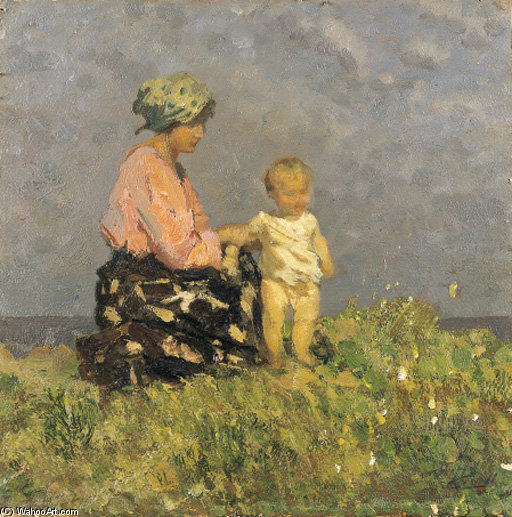
Joy Mother
 Skaityti daugiau
Rankų darbo aliejinės reprodukcijos
Rankiniu būdu tapytas aliejus ant droblio jūsų pageidaujamame dydį ir rėmuose – mūsų menininkų darbas pagal užsakymą. ( Perejti prie spausdinimo Perjungti į vaizdą)




































Pasirinkite iš mūsų nustatytų dydžių, atitinkančių originalaus meno kūrinio proporcijas.

Galite įvesti savo matmenis, kad jie atitiktų konkretų rėmą ar erdvę. Jei pasirinktas dydis neatitinka originalaus paveikslėlio proporcijų, mes arba apkropsime meno kūrinį, arba papildysime tapybą rankomis dažytい elementais. Prieš pradėdami gamybą, jūsų patvirtinimui atsiųsime skaitmeninį maketą.
Atkreipkite dėmesį, kad ekrane rodomas vaizdas neatspindi tikrojo apkarpymo ar papildymo. Tik maketas tiksliai parodys galutinę kompoziciją.
Nors galima rinktis ir individualius dydžius, rekomenduojame pasirinkti matmenis iš nustatytos sąrašo, kad būtų išlaikytos originalios proporcijos.
Gavus užsakymą, OriginalUniqueArt.com komanda susisieks su klientu el. paštu dėl instrukcijų ir pateiks maketo pavyzdį.
Pristatymas visame pasaulyje () per 3–4 savaites, o ne įprastai – per 5 savaites. (10 rugpjūtis). Kokybė lieka nepakeičiama.

Nemokamas greitasis pristatymas visame pasaulyje

Aukštos kokybės lininis drobė

Pilnas siuntimo draudimas

Muitinės mokesčių grąžinimo garantija

Tikro spalvų atitikimo garantija

60 dienų grąžinimo politika (tik esant gamyklinėms defektams)

100% pinigų grąžinimo garantija

Nuolaida už kelias reprodukcijas
 Stiklo variantas prieinamas tik pasirinkus dydį iki 110 cm

Joy Mother
Reprodukcijos technika
Reprodukcijos matmenys
-


Galutinė kaina
$ 300
Autoriaus biografija
Beppe Ciardi: A Venetian Soul Captured in Light and Shadow
Giuseppe “Beppe” Ciardi (1875–1932) stands as a compelling figure within the landscape of Italian Impressionism, a painter deeply rooted in the evocative beauty of his native Venice and the surrounding countryside. Born into an artistic lineage—the son of the esteemed painter Guglielmo Ciardi and brother to Emma Ciardi, another accomplished artist—Beppe’s journey was shaped by both familial legacy and a profound connection to the natural world. His early years were spent immersed in the artistic atmosphere of Venice, studying under his father at the prestigious Venice Academy of Fine Arts from 1896, ultimately graduating in 1899. This foundational training provided him with essential technical skills, but it was his own unique vision that would truly define his artistic identity.
His participation in the Venice Biennale beginning in the same year marked a significant step, establishing him within the broader Italian art scene and setting the stage for continued recognition through subsequent exhibitions, including a notable solo show in 1912. Ciardi’s work is immediately recognizable by its atmospheric quality—a deliberate blurring of lines and a masterful manipulation of light to convey mood and emotion rather than photographic realism. He was not simply depicting scenes; he was translating the feeling of Venice and its environs onto canvas. His landscapes, particularly those focused on the Venetian lagoon and the rolling hills around Treviso, are characterized by a symbolic interpretation of nature.
The Mastery of Atmosphere and Light
Moving beyond mere representation, Ciardi imbued his paintings with a sense of nostalgia, tranquility, and even melancholy. He possessed a rare ability to capture the ephemeral qualities of the Italian landscape, from the shimmering reflections on the lagoon to the quiet, rural rhythms of the countryside. His later decades saw him drawing deep inspiration from the everyday life found in Venice and the lush landscapes surrounding Treviso, often focusing on nighttime villages and marine paintings that breathed with a soft, luminous energy. This approach earned him considerable esteem among critics, as he successfully bridged the gap between traditional landscape painting and a more modern, emotive expressionism.
The technical brilliance of his work was recognized globally through several prestigious accolades that cemented his reputation as an international talent:
- The Fumagalli Prize in Milan (1900): An early recognition of his burgeoning talent within the Italian art community.
- A Gold Medal in Munich (1901): Demonstrating the reach of his impressionistic style across European borders.
- A Silver Medal in San Francisco (1904): Highlighting his growing influence and the universal appeal of his atmospheric vistas.
Legacy and Artistic Significance
Beppe Ciardi’s contribution to art history lies in his ability to transform the familiar into the extraordinary. While many of his contemporaries sought to document the physical reality of their subjects, Ciardi sought the spiritual essence of the landscape. His work remains a testament to the enduring allure of the Venetian spirit—a blend of light, water, and history. By focusing on the symbolic weight of nature, he created a body of work that transcends simple scenery, offering instead a window into a vanished era of quiet beauty and contemplative grace.
His life came to a close in 1932 at the family villa in Quinto di Treviso, but his artistic legacy continues to resonate. Through his mastery of light and shadow, Ciardi ensured that the fleeting moments of the Venetian landscape would be preserved forever, inviting every viewer to experience the profound peace found within his painted worlds.

Beppe Ciardi
1875 - 1932 , Italy
Trumpa informacija
- Artistic Movement Or Style: Impressionism, Landscape
- Artists Who Influenced This Artist: Guglielmo Ciardi
- Date Of Birth: 1875, Venice, Italy
- Date Of Death: 1932, Treviso, Italy
- Full Name: Beppe Ciardi
- Nationality: Italian
- Notable Artworks:
- Work In The Fields
- Making Lace
- Place Of Birth: Venice, Italy

